Security cameras face a compliance layer that most consumer electronics don’t: government procurement restrictions and rising data privacy scrutiny, on top of the usual electrical safety and radio certification requirements.
NDAA Section 889 Restrictions
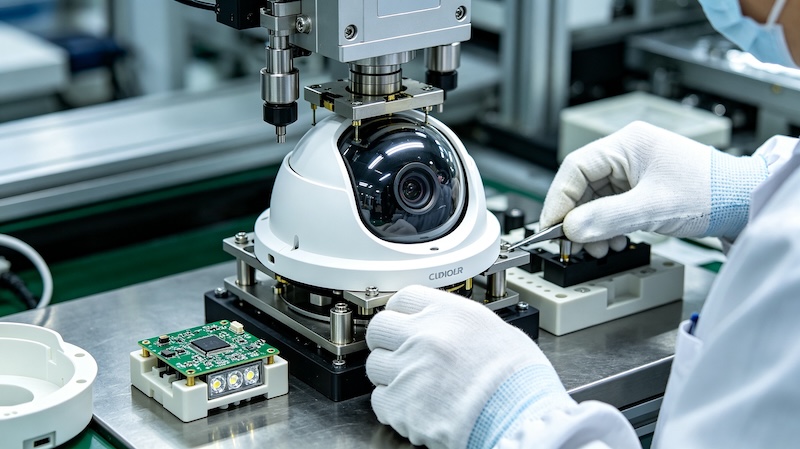
The US National Defense Authorization Act (NDAA) Section 889 bans federal agencies and contractors from using video surveillance equipment from a specific list of Chinese manufacturers (including Hikvision, Dahua, and their OEM relationships). If you’re selling into government, education, or any federally-funded institution channel, you must verify your camera’s chipset and manufacturing origin don’t trace back to a restricted entity — even through a white-label relationship.
This applies even to cameras assembled by a different factory if they use a restricted manufacturer’s chipset internally, so ask your factory directly which SoC (system-on-chip) vendor they use.
Data Privacy and Cloud Storage Considerations
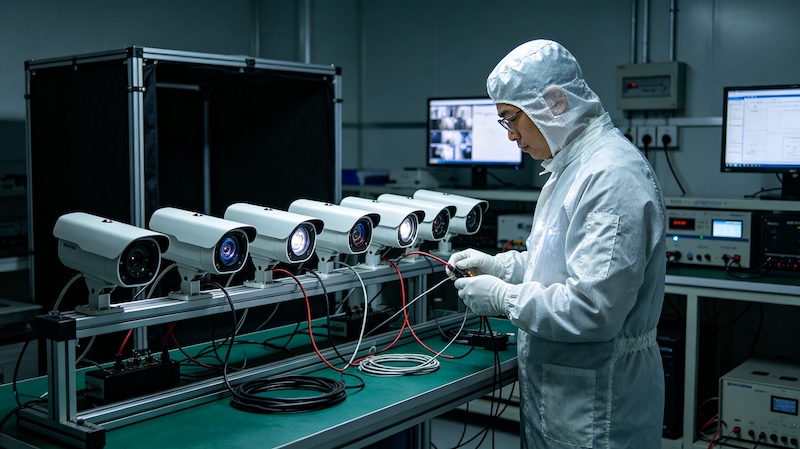
Buyers increasingly ask where footage and account data are stored and processed. If your camera’s companion app routes data through servers in mainland China, this is a genuine concern for many commercial and government buyers, and increasingly a disclosure requirement under regulations like GDPR in the EU. Confirm your factory or app development partner can offer non-China cloud hosting options if this matters for your target market.
Standard Electrical and Wireless Certifications

Beyond the above, standard FCC (US), CE (EU), and IP rating (for outdoor cameras, typically IP65+ for weather resistance) certifications still apply. Outdoor camera housings should also be tested for UV resistance if intended for long-term outdoor installation.
Frequently Asked Questions
Does NDAA Section 889 ban all cameras made in China?
No — it specifically restricts equipment from named manufacturers and their OEM/chipset relationships, not all Chinese-made cameras. Many Chinese factories produce fully NDAA-compliant cameras using non-restricted chipsets.
Who actually needs NDAA-compliant cameras?
Primarily federal agencies, federal contractors, and any organization receiving federal funding. Private commercial and residential buyers aren’t legally bound by NDAA, though some prefer compliant products anyway.
What IP rating should outdoor security cameras have?
IP65 or higher is standard for outdoor use, indicating protection against dust and water jets. IP67 offers additional protection for cameras in more extreme weather exposure.