Activewear buyers care about performance claims — moisture-wicking, four-way stretch, compression support — in a way that regular apparel buyers don’t. Sourcing well means understanding fabric technology well enough to verify factory claims rather than just trusting a spec sheet.
Fabric Blends and Performance Claims
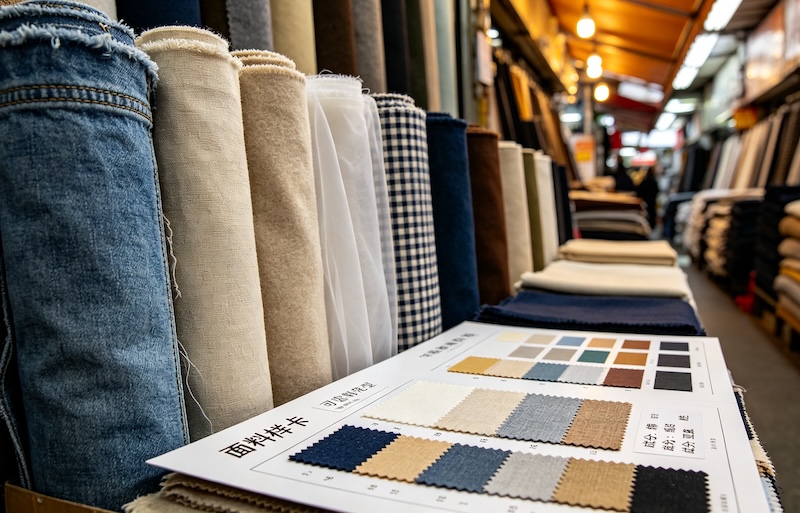
Polyester-spandex blends (typically 80/20 or 88/12) dominate the activewear category for their stretch recovery and moisture-wicking properties. Nylon-spandex blends offer a softer hand-feel and are common in premium leggings. Ask for the fabric’s GSM (grams per square meter) weight and stretch recovery percentage — these two numbers tell you more about real quality than marketing terms like ‘buttery soft’ ever will.
Compression and Four-Way Stretch Testing
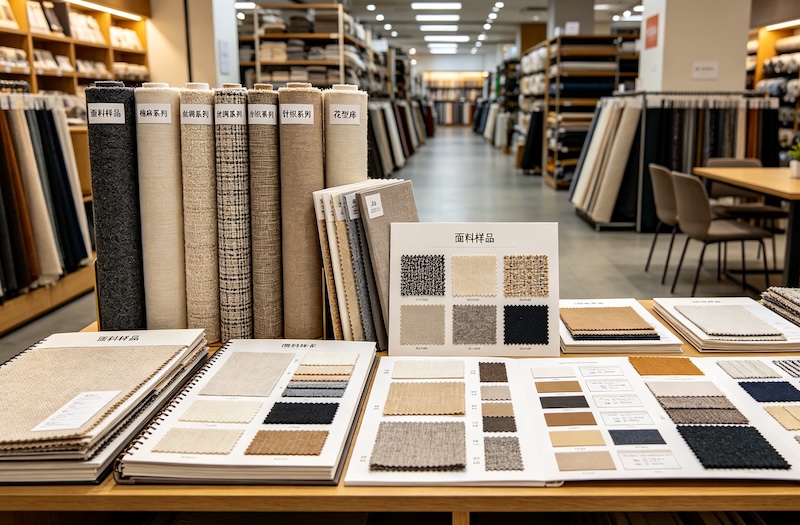
For compression-focused products, request the fabric’s compression rating (mmHg for true medical-grade compression, or a general stretch percentage for athletic compression wear). Four-way stretch means the fabric stretches and recovers in both horizontal and vertical directions — confirm this specifically, since two-way stretch fabric is cheaper and sometimes substituted without clear disclosure.
Factory Certifications Worth Checking
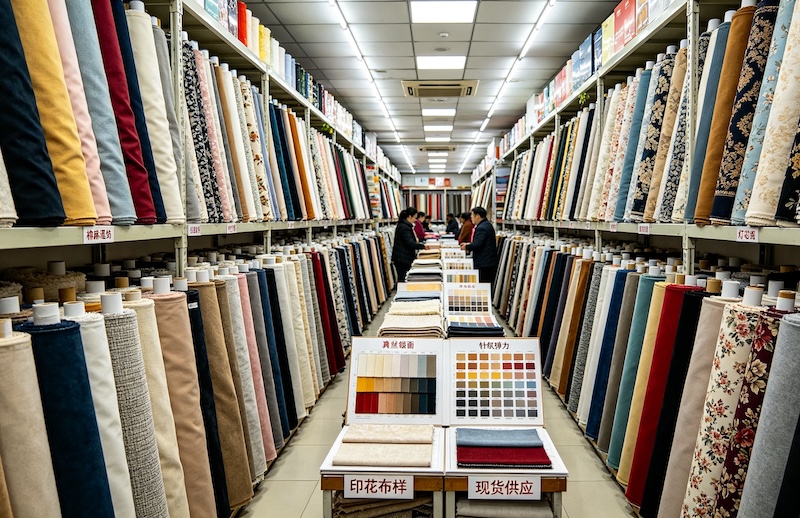
OEKO-TEX Standard 100 certification confirms the fabric is free from harmful substances, which matters for activewear given its extended skin contact during sweat-heavy use. BSCI or Sedex social compliance audits are increasingly expected by activewear brands targeting environmentally and ethically conscious consumers.
Frequently Asked Questions
What GSM range is typical for quality leggings fabric?
Most quality activewear leggings use fabric in the 220-280 GSM range — lower GSM can feel thin or become sheer under stretch, which is a common quality complaint.
Is four-way stretch always better than two-way stretch?
For most activewear applications, yes, since it allows movement in all directions without fabric strain, which matters for squats, lunges, and other multi-directional movement.
Does OEKO-TEX certification cost extra per order?
The certification itself is a factory/fabric-level certification, not a per-order cost, but factories using certified fabric typically charge a modest premium over uncertified equivalents.