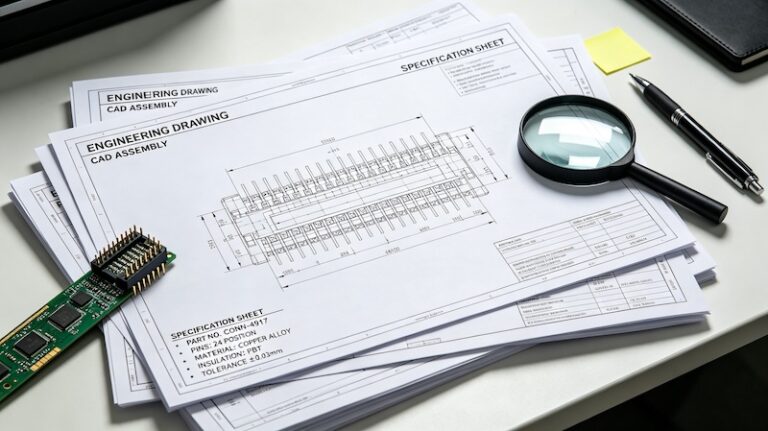
Fasteners look like commodity products but hide real engineering specification behind seemingly simple items — the wrong grade bolt in a structural application is a genuine safety failure point, not just a quality inconvenience.
Understanding Strength Grades
Metric bolts use property class markings (like 8.8, 10.9, 12.9) stamped on the bolt head, indicating tensile and yield strength. US/SAE bolts use grade markings (Grade 2, 5, 8) with a different but analogous system. Always confirm which standard applies to your application and verify the factory’s markings match actual tested performance — grade marking fraud is a known issue in low-cost fastener supply chains.
Material and Plating Options
Carbon steel is standard and cost-effective; stainless steel (304, 316) adds corrosion resistance for outdoor or marine applications, with 316 offering better performance in salt exposure specifically. Zinc plating, black oxide, and hot-dip galvanizing are common finishing options, each with different corrosion resistance and cost profiles.
Quality Control for Fastener Orders
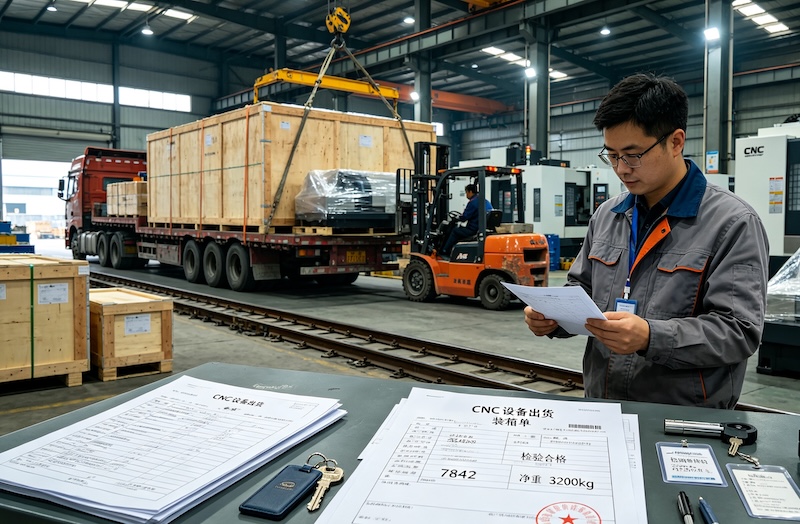
Request mill certificates showing the actual chemical composition and mechanical test results for the specific production batch, not just a generic spec sheet. For large or safety-critical orders, third-party batch testing (tensile strength, hardness) is worth the modest additional cost to catch grade substitution before it reaches your customers.
Frequently Asked Questions
What does a 8.8 marking on a bolt actually mean?
It indicates the bolt’s property class under metric standards — the first number relates to tensile strength (roughly 800 MPa) and the second to the yield-to-tensile ratio, together indicating overall strength grade.
Is stainless steel always better than carbon steel for fasteners?
Not universally — stainless offers better corrosion resistance but is generally weaker and more expensive than comparable-grade carbon steel for pure strength applications. Choose based on the actual use environment.
How can I verify fastener grade markings aren’t fraudulent?
Request mill certificates for the specific production batch and consider independent third-party tensile testing for large or critical-application orders.