Two pieces of paperwork trip up more first-time China importers than almost anything else: the customs bond and the ISF (Importer Security Filing). Neither is optional for ocean freight imports into the US, and missing either can mean serious delays or penalties.
What Is a Customs Bond?
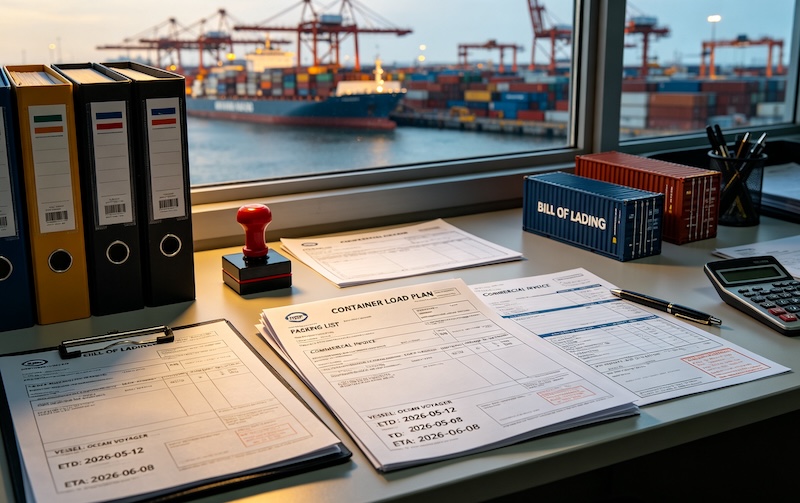
A customs bond is a financial guarantee to US Customs and Border Protection (CBP) that duties, taxes, and fees will be paid. You can purchase a single-entry bond (covering one shipment) or an annual/continuous bond (covering all your shipments for a year), which becomes more cost-effective if you’re importing more than a handful of times per year.
ISF (Importer Security Filing) Requirements
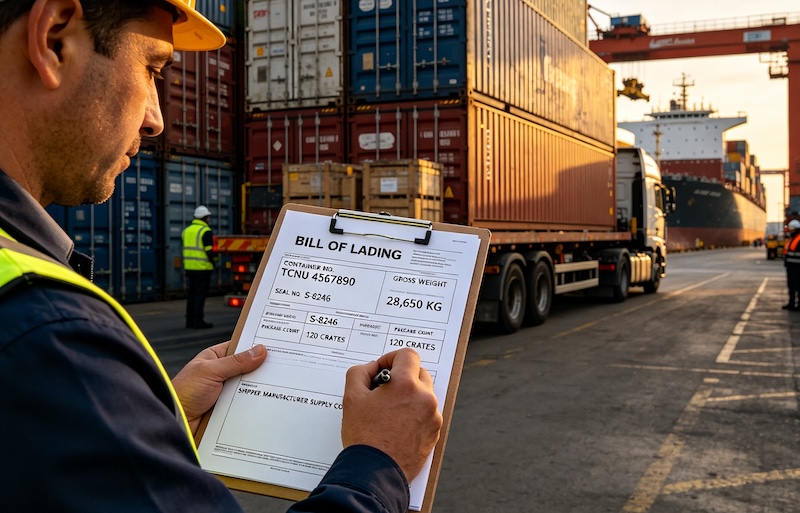
Also known as “10+2,” ISF requires importers to submit specific shipment and party information to CBP at least 24 hours before goods are loaded onto the vessel at the origin port — not before arrival, before loading. This is a common trap for new importers who assume they have until arrival to file; late ISF filing can trigger penalties of $5,000 or more per violation.
- Manufacturer/supplier name and address
- Seller and buyer name and address
- Container stuffing location
- Consolidator name and address
- Importer of record number
- Consignee number
- Country of origin
- HS classification (6-digit minimum)
- Container status message (carrier-filed, the ‘+2’)
Who Handles These for You
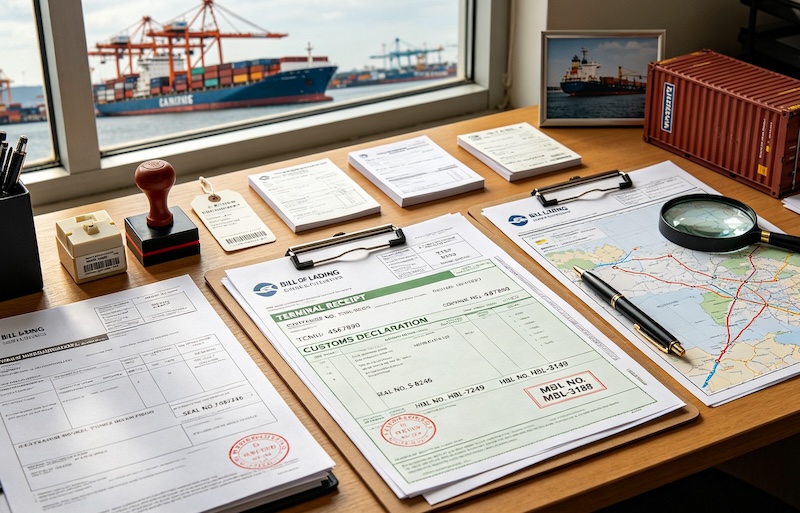
Your customs broker typically handles both the bond purchase and ISF filing as part of standard import services, but you’re ultimately responsible for providing accurate information on time. Build ISF data collection into your supplier communication process from the start of each order, not as an afterthought when the shipment is already at the port.
Frequently Asked Questions
Do I need a customs bond for every shipment?
Yes, some form of bond is required for formal entries — a continuous annual bond is usually more economical if you import more than a few times per year.
How early does ISF need to be filed?
At least 24 hours before your cargo is loaded onto the vessel at the origin port, not 24 hours before arrival at destination — this is a critical distinction that trips up many new importers.
What happens if ISF is filed late or incorrectly?
CBP can assess penalties of $5,000 or more per violation, and repeated failures can result in increased cargo exams and processing delays on future shipments.