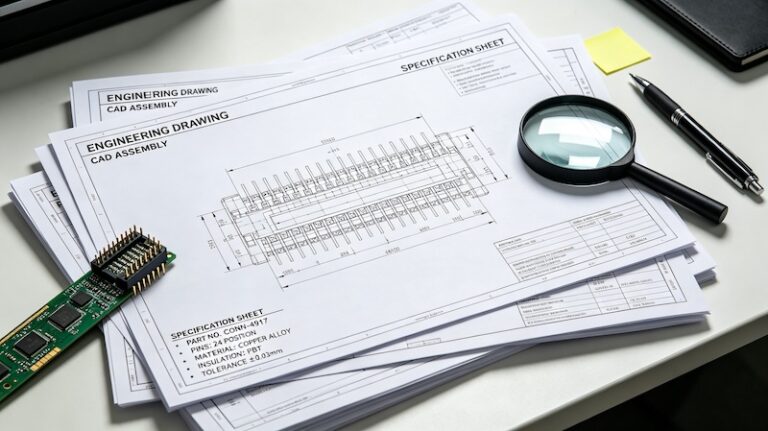
Intellectual property risk is one of the most persistent worries for brands sourcing from China, and while the risk is real, it’s also manageable with the right contractual and procedural steps — most IP problems stem from skipping basic protections, not from an unavoidable feature of manufacturing in China.
NNN Agreements vs. NDAs

A standard Western-style NDA (Non-Disclosure Agreement) is often poorly enforceable in China. An NNN agreement — Non-Disclosure, Non-Use, Non-Circumvention — drafted in Chinese, governed by Chinese law, and enforceable in a Chinese court is the more effective tool. It specifically prevents the factory from using your design for other customers (non-use) and from going around you to sell directly to your customers or retailers (non-circumvention), which a basic NDA typically doesn’t address.
Register Your Trademark and Key IP in China
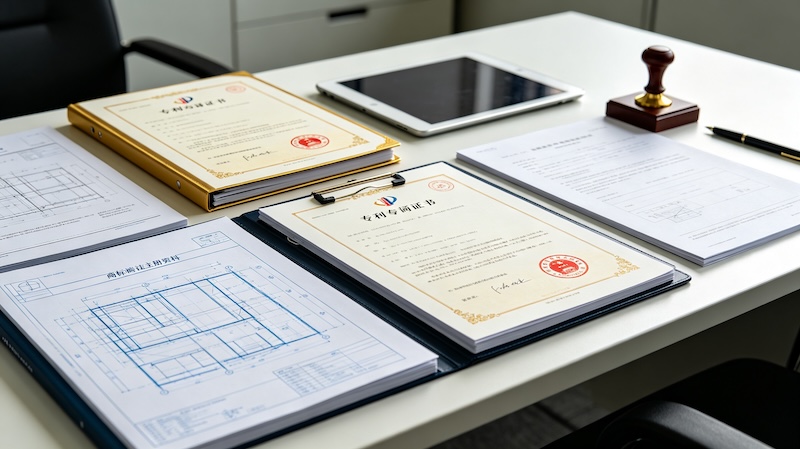
China operates on a first-to-file trademark system, meaning whoever files first generally wins the trademark rights, regardless of who used the mark first elsewhere. Registering your trademark in China — even if you have no immediate plans to sell there — is one of the cheapest and most effective protections against bad-faith trademark squatting or a factory registering your brand name themselves.
Control Your Molds and Tooling

For products requiring custom molds, explicit contractual mold ownership (stating you own the tooling even though it’s stored at the factory) prevents a factory from producing your design for a competitor using “your” mold. Consider requesting the mold be marked with your company name/logo directly, and periodically audit that it’s stored securely and only used for your orders.
Frequently Asked Questions
Is a standard NDA enough to protect my product design in China?
Generally not sufficient on its own — an NNN agreement drafted specifically for Chinese enforceability offers meaningfully stronger protection than a Western-style NDA.
Do I need to register my trademark in China if I’m not selling there?
Yes, it’s strongly recommended given China’s first-to-file system — registering preemptively protects against trademark squatting even without current sales plans in China.
Who legally owns a custom mold if I paid for it but it’s stored at the factory?
This should be explicitly stated in your manufacturing agreement — without clear contractual language, ownership can become disputed, so always document mold ownership in writing.