Tooling costs are often the first major capital commitment a new brand makes when moving from an existing product to a custom design, and understanding how mold costs, ownership, and amortization actually work prevents both overpaying and future ownership disputes.
What Determines Mold Cost
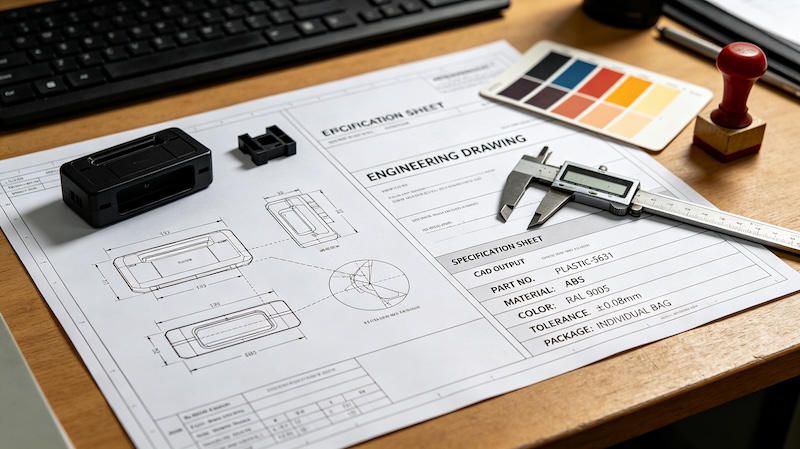
Mold cost depends primarily on part complexity, size, number of cavities (how many parts the mold produces per cycle), and the mold steel grade (which determines how many production cycles it can withstand before wearing out). A simple single-cavity mold for a small plastic part might run $1,500-5,000, while a complex multi-cavity mold for a larger or more intricate part can run well into five figures.
Amortization: Paying for the Mold Through Unit Price
Some factories offer to absorb some or all of the mold cost upfront in exchange for a higher per-unit price over an agreed order volume, effectively amortizing the tooling cost into your product cost rather than requiring a large upfront payment. This can help cash flow but usually costs more in total over time than paying the mold fee directly — do the math on your expected order volume before choosing this route.
Ownership Terms You Should Get in Writing
Always get explicit written confirmation that you own the mold once paid for, including your right to relocate it to a different factory if the relationship ends. Without this in writing, some factories treat the mold as a factory asset even after you’ve paid for it, which can effectively trap you with that supplier.
Frequently Asked Questions
Is it normal for a factory to keep a mold I paid for at their facility?
Yes, this is standard practice for convenience — the key is having clear written confirmation of your ownership rights and ability to relocate the mold if needed, not physical possession.
Does amortizing mold cost into unit price save money overall?
Usually not — it typically costs more in total across your full order volume than paying the tooling fee upfront, though it can help with initial cash flow for cash-constrained startups.
What factors most affect mold pricing?
Part complexity and size, number of cavities, and the steel grade (which determines mold lifespan) are the primary cost drivers for injection molds.