If you are importing goods from China for the first time, the sheer volume of shipping documentation can be overwhelming. Among the commercial invoices, packing lists, and certificates of origin, one document stands above the rest in importance: the Bill of Lading (B/L).
Understanding the Bill of Lading is crucial for a smooth import process. This guide breaks down exactly what a Bill of Lading is, why you need it, and how to handle it when importing from China.
What is a Bill of Lading?
At its core, a Bill of Lading is a legal document issued by a carrier (or their agent, like a freight forwarder) to the shipper. It serves three primary, indispensable functions in international trade:
- Receipt of Goods: It proves that the carrier has received the goods from your Chinese supplier and they are loaded onto the vessel.
- Contract of Carriage: It outlines the terms and conditions of the transportation agreement between the shipper and the carrier.
- Document of Title: This is the most critical aspect for importers. The original Bill of Lading acts as the “title” or ownership ticket to the goods. You (or your customs broker) usually need it to claim your cargo when it arrives at the destination port.
Key Information on a Bill of Lading
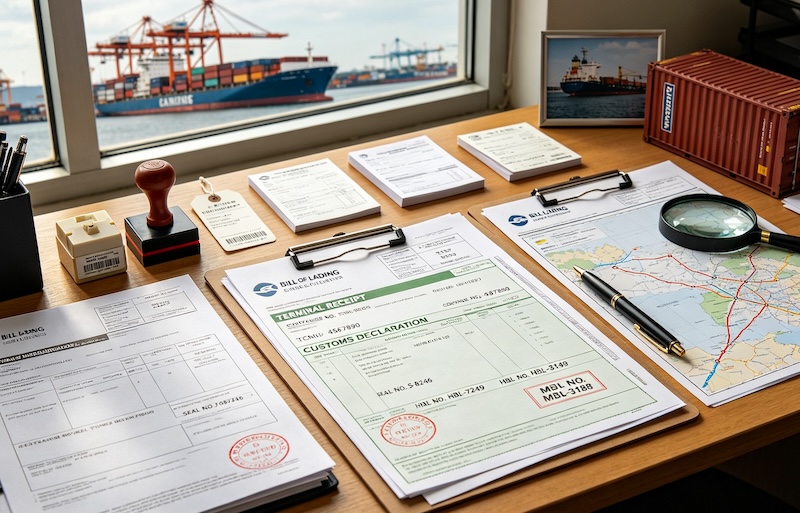
When you receive a copy of your B/L, you should verify the following information immediately:
- Shipper: Usually your Chinese supplier.
- Consignee: This should be your company. It indicates who is authorized to receive the goods.
- Notify Party: The party to be notified when the shipment arrives (often your customs broker or freight forwarder).
- Vessel & Voyage Number: Details of the ship carrying your cargo.
- Port of Loading (POL) & Port of Discharge (POD): Where the goods were loaded (e.g., Shenzhen) and where they will arrive (e.g., Los Angeles).
- Description of Goods: Weight, volume, number of cartons, and a brief description.
Types of Bill of Lading for China Imports
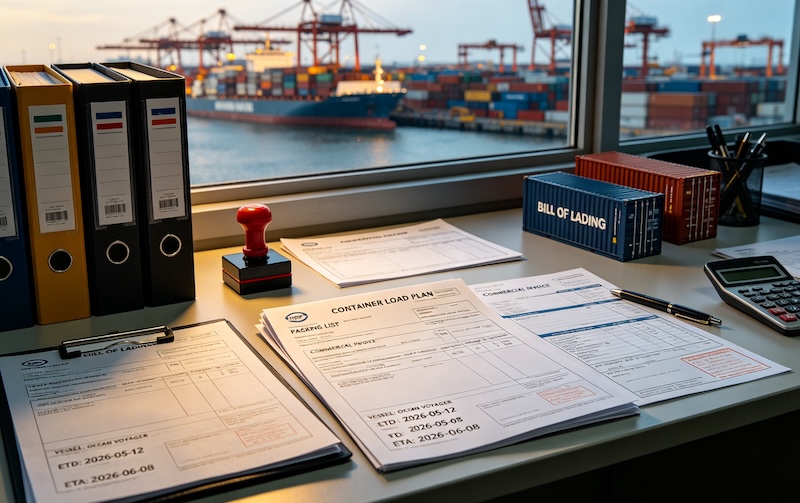
There are a few variations of the B/L, and choosing the right one can save you time and money.
1. Original Bill of Lading (OBL)
The traditional paper document. The supplier receives three original copies from the carrier. Once you pay the supplier, they courier these paper documents to you. You must present them to the port authorities to release your goods.
Pros: Highly secure. Cons: Slow and relies on international couriers; risk of loss.
2. Telex Release
Instead of mailing paper documents, the supplier surrenders the Original B/L to the carrier in China and requests a “Telex Release.” The carrier then electronically messages the destination port to release the goods to you without physical paperwork.
Pros: Fast and eliminates courier fees. Cons: The supplier maintains control until they authorize the release.
3. Sea Waybill (Express Bill of Lading)
A document that serves as a receipt and contract but not a document of title. Goods are automatically released to the named consignee upon arrival.
Pros: The fastest and easiest method. Cons: Offers zero payment security for the supplier, so it’s only used when you have a strong, trusted relationship with your Chinese manufacturer or have paid 100% upfront.
How to Manage Your Bill of Lading
- Verify Drafts Carefully: Before the final B/L is issued, your supplier or forwarder will send a “draft.” Review every spelling, address, and product detail. Mistakes on the final B/L can cause customs delays and expensive amendment fees.
- Tie Payment to the B/L: A standard practice in China importing is paying a 30% deposit upfront and the remaining 70% balance “against the copy of the B/L.” This means the supplier loads the goods, gets the B/L, sends you a scanned copy as proof, and then you pay the balance.
- Work with a Good Forwarder: A reliable freight forwarder will manage the B/L process for you, ensuring the right type is chosen and the documentation flows smoothly.
Conclusion
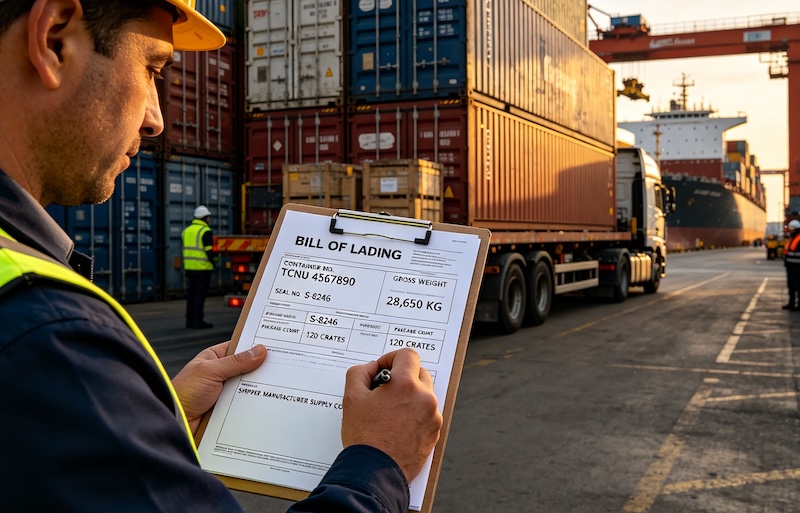
The Bill of Lading is the key to unlocking your imported goods. By understanding its functions and the different types available, first-time China importers can navigate the logistics process with confidence, ensuring secure payments and timely cargo release.
Frequently Asked Questions
What is the main purpose of a Bill of Lading?
The Bill of Lading serves as a receipt of goods, a contract of carriage, and a document of title required to claim ownership of the cargo at the destination.
What is a Telex Release for a Bill of Lading?
A Telex Release is an electronic authorization allowing the destination port to release goods to the importer without requiring physical copies of the Original Bill of Lading.
Should I pay my supplier before or after getting the Bill of Lading?
A standard safe practice is to pay the final balance ‘against a copy of the B/L’, meaning you pay after the supplier provides a scanned copy proving the goods have shipped.