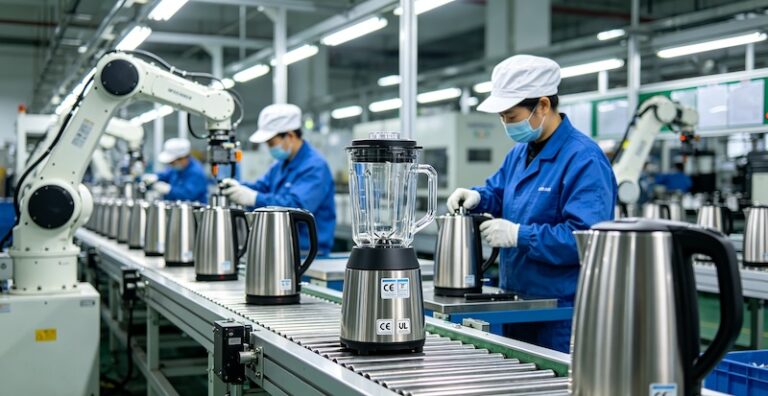
For years, the gold standard for finding reliable suppliers was attending trade shows like the Canton Fair or physically visiting manufacturing hubs in Shenzhen and Yiwu. Today, however, you can conduct robust supplier research without ever leaving your desk. The secret? Mastering the art of using WeChat to find factories via WeChat in China.
WeChat is more than just a messaging app; it’s the central nervous system of Chinese business. Almost every factory owner, sales rep, and sourcing agent relies on it daily. In this guide, we’ll show you how to leverage WeChat to source, vet, and communicate with top-tier Chinese manufacturers.
Why Use WeChat for Sourcing?
While platforms like Alibaba are great starting points, they often lack direct, fast communication. Email is notoriously slow and frequently ignored by Chinese suppliers. WeChat, on the other hand, offers:
* Instant Responses: Suppliers treat WeChat messages with high urgency.
* Direct Access: You frequently get direct access to decision-makers, rather than just lower-level sales staff.
* Transparency: A supplier’s WeChat Moments (their feed) can provide incredible insights into their daily operations and factory floor realities.
Step 1: How to Find Factories via WeChat in China
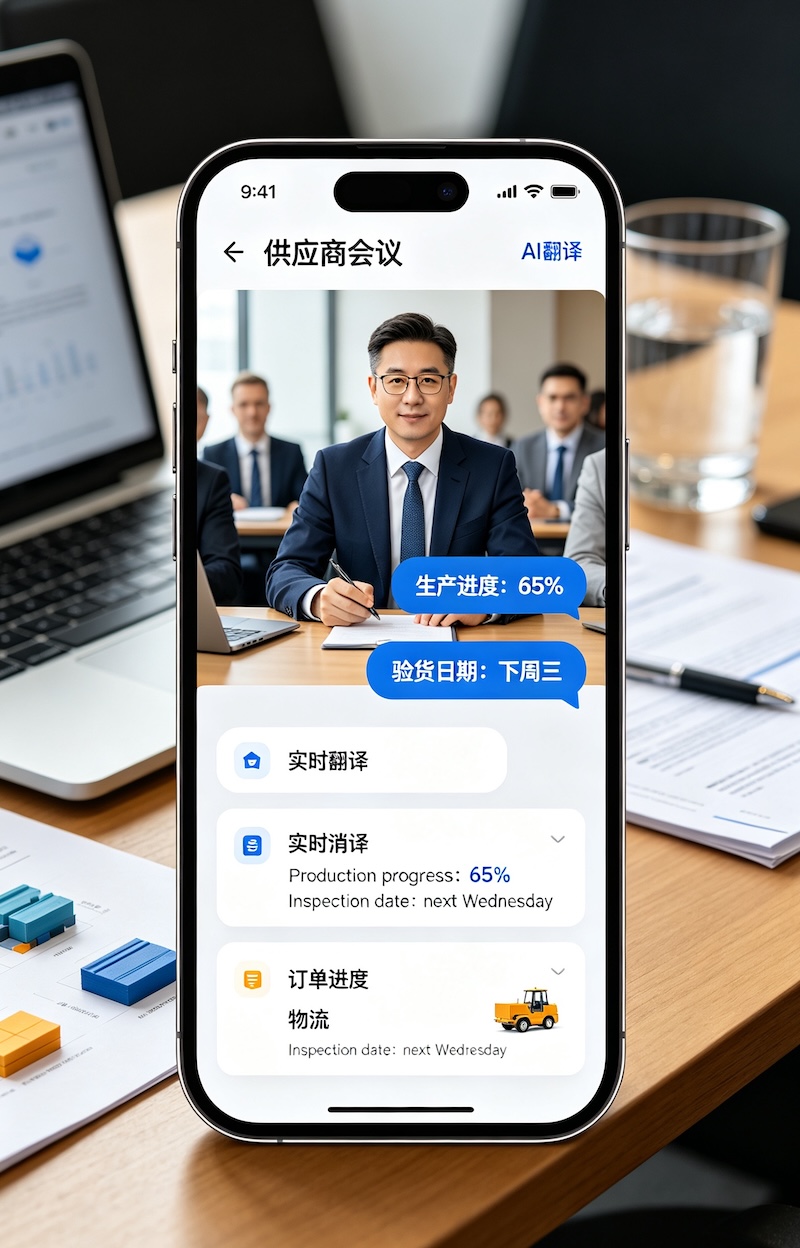
You can’t simply “search” for a factory name in WeChat and expect great results. Finding the right contacts requires a strategic approach.
Leverage B2B Platforms First
Start on platforms like Alibaba, Global Sources, or Made-in-China. Once you identify a potential supplier, don’t rely on the platform’s built-in messaging for long.
1. Check their profile or product listings for a mobile number.
2. Almost all Chinese mobile numbers are linked to a WeChat account.
3. Add the number to WeChat and include a brief, professional introduction in your connection request.
Join Sourcing Groups
There are thousands of industry-specific WeChat groups where factory reps post their products. You can gain access to these by networking with sourcing agents on LinkedIn or asking current suppliers to invite you to relevant industry groups.
Step 2: Validating the Factory Through WeChat
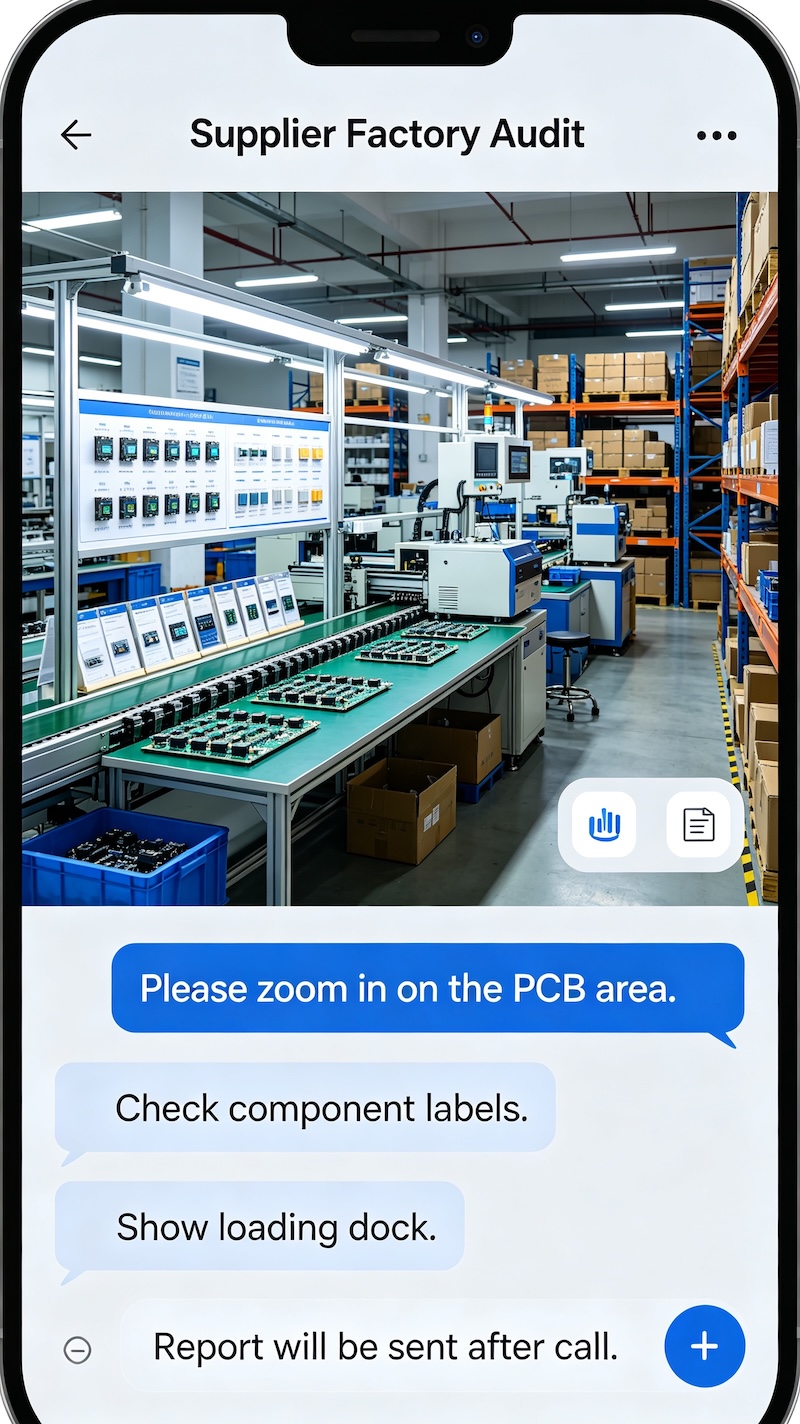
Once you’re connected, the real work begins. WeChat provides excellent tools for vetting a factory before you ever place a sample order.
Analyze Their WeChat Moments
This is the most powerful due diligence tool on the platform. Scroll through the supplier’s “Moments” feed for the past few months.
* Look for Factory Photos: Genuine manufacturers post videos of their assembly lines, raw materials, and workers.
* Spot the Traders: If a profile only posts highly polished, catalog-style product photos of drastically different items (e.g., electronics one day, textiles the next), you are likely dealing with a trading company, not a factory.
* Check for Consistency: Does the background of their factory videos match? Consistency implies ownership and stability.
Request Live Video Tours
Don’t settle for pre-recorded videos. Once you’ve established a dialogue, ask for a quick, live video call.
* Ask them to walk around the factory floor.
* Request to see their raw material storage or testing equipment.
* A legitimate factory will usually oblige this request, while a trader or scammer will find excuses.
Request Business Licenses
It is standard practice to ask for a company’s business license. Ask them to send a clear photo of their Chinese business license via WeChat. You can then use translation tools or hire a local agent to verify the company name, registered capital, and scope of business.
Step 3: Best Practices for WeChat Communication

To get the best results, adapt to the local business culture.
* Use Simple English: Keep sentences short and avoid slang. WeChat’s built-in translation tool is good, but complex idioms will get lost in translation.
* Send Voice Notes Strategically: While text is easier to translate, sending occasional voice notes builds a personal connection and shows there is a real human on the other end.
* Be Polite but Direct: Pleasantries are appreciated, but get to the point quickly regarding specifications and pricing.
By learning how to find factories via WeChat in China and rigorously validating them using the platform’s features, you can build a reliable, high-quality supply chain from the comfort of your own office.
Frequently Asked Questions
Why should I use WeChat to find Chinese factories instead of email?
WeChat provides instant communication and is the primary business tool in China. Emails are often slow or ignored, whereas WeChat gives you direct, fast access to sales reps and factory owners.
How can I tell if a supplier on WeChat is a factory or a trading company?
Analyze their WeChat Moments. Real factories post videos of their assembly lines and workers. If the profile only shows polished catalog photos of vastly different product categories, they are likely a trading company.
How do I add a factory to WeChat?
Find the supplier’s mobile number on B2B platforms like Alibaba. Since most Chinese mobile numbers are linked to WeChat, you can add that number directly in the app to send a connection request.