Mattresses are one of the most regulation-heavy product categories you can import, because they’ve historically been a major source of house fires. If you’re sourcing mattresses or foam bedding products from China, flammability testing isn’t optional — it’s the single biggest compliance gate you’ll face.
16 CFR 1633: The US Mattress Flammability Standard
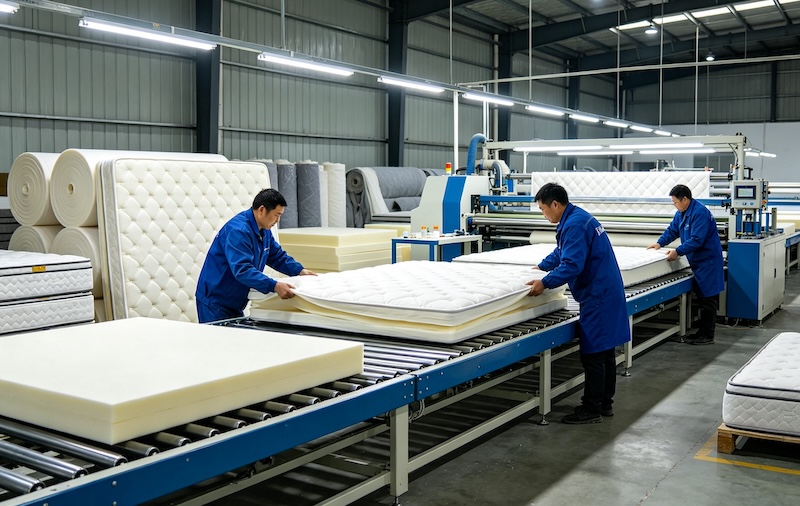
Any mattress sold in the US must pass 16 CFR 1633, an open-flame test that simulates a burning object (like a lit newspaper) placed on the mattress surface. This is separate from and in addition to 16 CFR 1632, the older cigarette-ignition standard that still applies to mattress pads.
Testing must be done on the finished mattress construction — a fabric or foam swap after certification invalidates the test, so any factory-side material substitution requires retesting.
Who Can Test and Certify Your Mattress
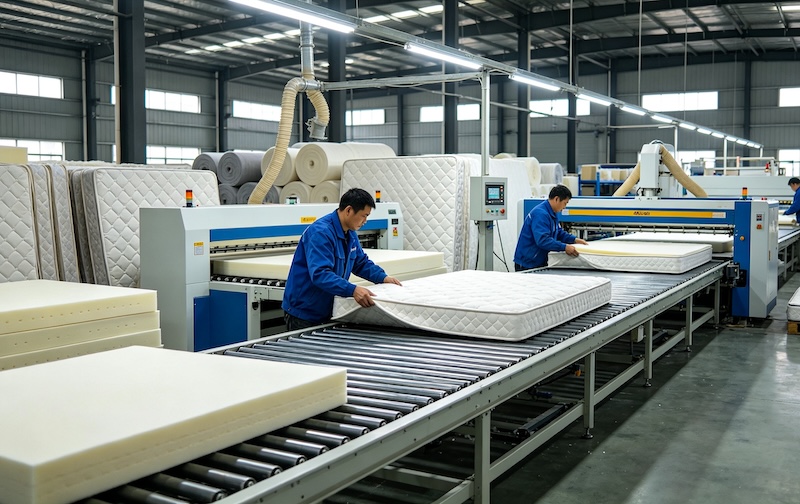
1633 testing must be performed by a CPSC-accepted third-party lab if you’re a manufacturer required to use third-party testing, which most importers of record are. SGS, Intertek, and Bureau Veritas all operate 1633 test labs with locations in China that can turn results around in 2-3 weeks.
Foam Density and Off-Gassing Concerns
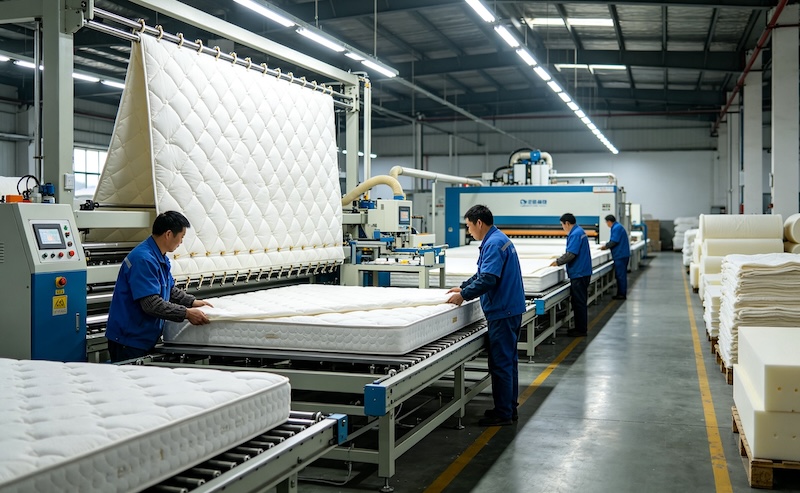
Beyond flammability, buyers increasingly ask for CertiPUR-US or OEKO-TEX certification on the foam itself, which verifies low VOC emissions and the absence of certain flame retardant chemicals, heavy metals, and formaldehyde. This has become close to a baseline expectation for DTC mattress brands.
Compression Packaging for Shipping
Most foam mattresses are roll-packed (compressed and vacuum-sealed in a box) to cut shipping volume by up to 70%. Confirm your factory’s roll-pack equipment can handle your mattress thickness — anything above roughly 12 inches gets harder to compress reliably without damaging the foam’s recovery properties.
Frequently Asked Questions
Does every layer of a mattress need separate flammability testing?
No, testing is done on the complete finished mattress assembly as it will be sold, not on individual layers.
Is 16 CFR 1633 required for mattress toppers as well?
Mattress toppers sold as standalone products generally fall under different rules depending on thickness and use, but full-size replacement mattresses always require 1633. Confirm classification with your compliance consultant for borderline products.
How long does 1633 certification typically take?
Budget 2-4 weeks for lab testing plus report issuance, assuming the mattress construction is finalized and samples are ready to ship to the lab.
What happens if I change my mattress cover fabric after certification?
You’ll likely need to retest, since fabric composition directly affects flame spread behavior. Always finalize your final production fabric before submitting for 1633 testing.