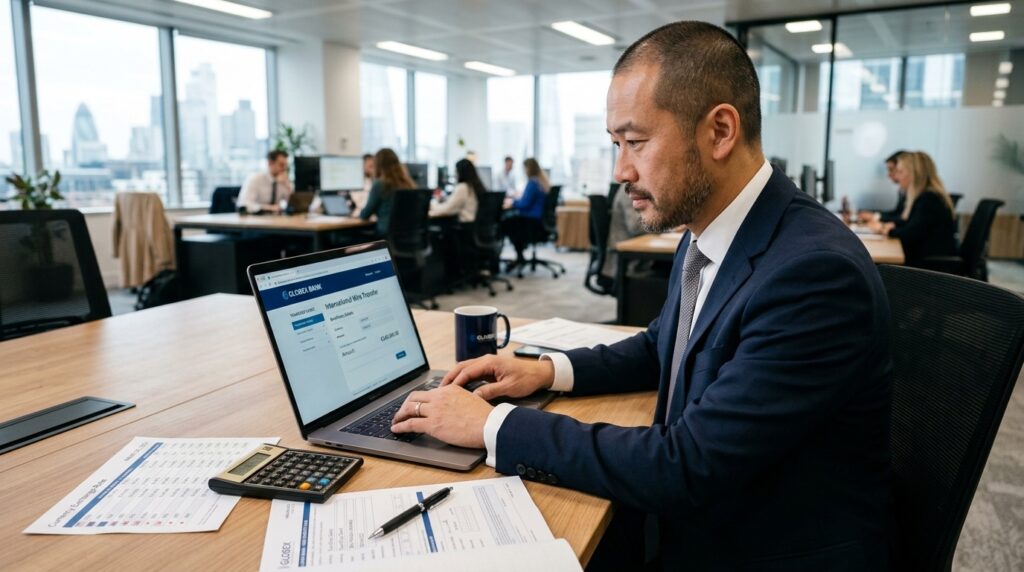
An Australian importer wired 100% payment to a new Guangdong supplier before production. The supplier confirmed production was underway, then went quiet. By the time it became clear that no goods were coming, the money was unrecoverable — wire transfers to China are not reversible without the receiving bank’s cooperation, and the supplier had no incentive to cooperate.
ある欧州の輸入業者は、30%の頭金を支払い、残りの70%を船荷証券の提示時に支払った。商品は出荷されたが、到着時に商品の40%に目に見える欠陥が見つかった。輸入業者はすでに運送書類の提示に基づき残金を支払っていたため、返金を求める余地がなかった。工場側は、欠陥は輸送中に生じたものだと主張した。
2つの異なる支払い方法。2つの異なる失敗のパターン。どちらの買い手も、その支払い条件が実際にどのようなリスクから自分たちを守っているのかを理解していなかった。
本ガイドでは、中国との貿易で一般的に利用されるあらゆる決済方法、各決済方法がどの当事者にどのようなリスクを転嫁するか、そして経験豊富な輸入業者が注文サイクル全体を通じて交渉上の優位性を維持するために、どのように決済条件を設定しているかについて解説します。
基本原則:支払いのタイミング=レバレッジ
特定の決済方法を比較する前に、その根底にある仕組みを理解しておきましょう:
規定に適合する商品を受け取る前に支払う代金は、そのたびにあなたが手放してしまった「てこ」となるのです。 工場が正しく生産し、品質に関する懸念に対応し、問題に対処しようとする動機は、貴社からまだ受け取っていない金額と直接的に関連しています。
100% prepayment → you have zero leverage after payment.
30% deposit / 70% against B/L → you have 70% leverage until goods ship.
30% deposit / 70% against inspection approval → you have 70% leverage until goods pass your inspection.
The ideal payment structure from a buyer’s perspective maintains maximum leverage at every stage until you have confirmed, conforming goods in transit. The challenge is that many factories — especially smaller ones with limited working capital — require significant upfront payment to cover raw material costs. Negotiating the right structure requires understanding both your risk and theirs.
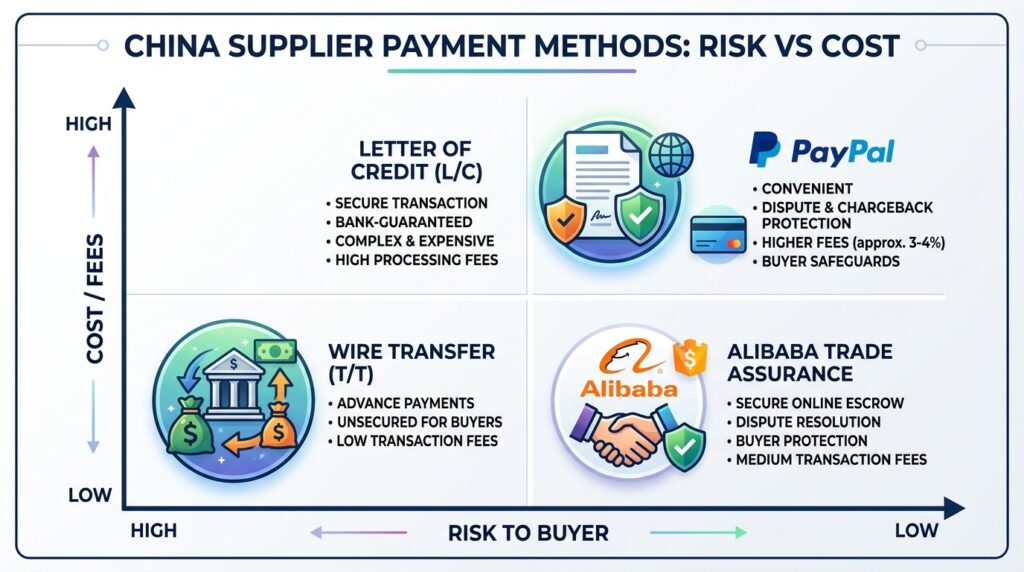
お支払い方法 1:T/T 電信送金(Telegraphic Transfer)
T/Tは、中国との取引において最も一般的な支払方法です。資金はSWIFT送金を通じて、お客様の銀行からサプライヤーの銀行口座へ直接振り込まれます。
標準的な構造:
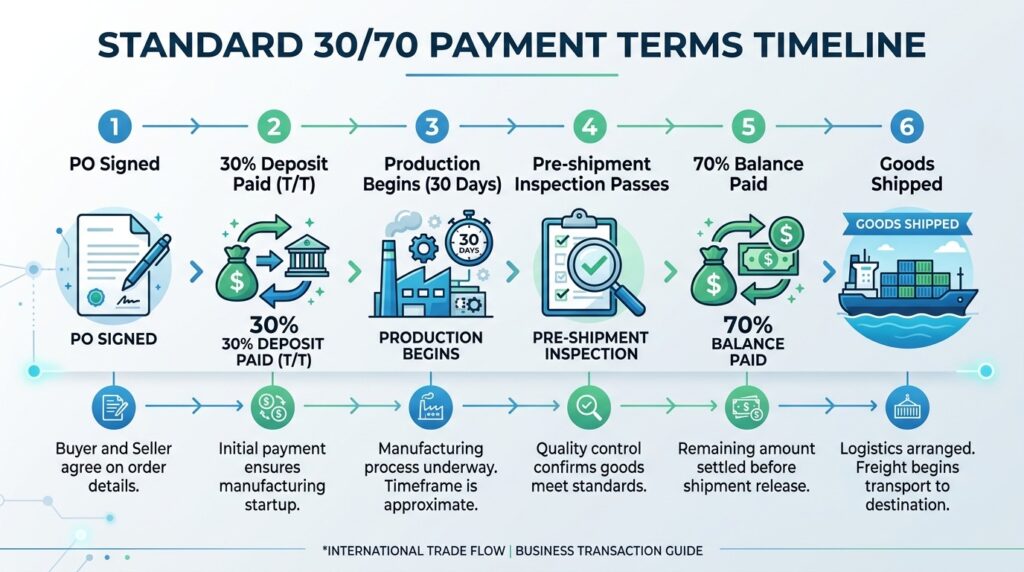
30/70: 前払いで30%の頭金、残りの70%は出荷前または出荷後に支払います。これは、確立されたサプライヤーとの関係において最も一般的な支払い条件です。
検査に対する30/70: 30% deposit, 70% after a third-party inspector confirms goods meet specification. This is the buyer-protective version — you maintain 70% leverage until quality is confirmed.
50/50: 50%を前払い、残りの50%はB/L提示時に支払う。これは、新規サプライヤーとの初回注文において、双方が信頼関係を築きつつある場合に一般的な取引条件である。
100%前払い: ごく少量の注文(サンプル、試作分)や、プラットフォームでの審査が厳格なサプライヤーの場合に適用される基準です。新規サプライヤーとの大量生産注文には決して適していません。
T/Tがどのようなリスクからあなたを守ってくれるか: Nothing inherently — T/T is just a payment mechanism, not a protection mechanism. The protection comes from the timing of payments and what conditions trigger each payment.
T/Tでは以下のリスクから保護されません: 全額支払い後に発生する詐欺、取引先の行方不明、あるいは品質上の問題。
重要なルール: 以下のいずれかを確認するまでは、残金を絶対に支払ってはいけません:(a) 商品が仕様を満たしていることを確認する第三者による検査報告書、または (b) 少なくとも、商品が出荷されたことを確認する船荷証券。出荷に関する書類を入手する前に、「工場が出荷できるよう支援するため」として残金の70%を支払ってしまうことが、多額の損失を招く原因となります。
支払方法 2:信用状(L/C)
信用状とは、銀行が発行する支払手段であり、買い手の銀行が、所定の船荷証券およびコンプライアンス関連書類の提示を受けた際に、売り手の銀行に対して支払いを履行することを約束するものです。
仕組み:
1. 買い手は、支払いに必要な書類(商業インボイス、船荷証券、梱包明細書、原産地証明書、検査証明書など)を明記して、自らが取引を行う銀行に信用状(L/C)の発行を申請する。
2. 買い手の銀行が売り手の銀行に対して信用状を発行する
3. 売り手は商品を発送し、必要な書類を自社の銀行に提出する
4. 銀行は書類が信用状の条件と一致しているかを確認し、一致している場合は支払いが自動的に実行される
L/Cがどのようなリスクからあなたを守ってくれるか:
— 売り手は、あなたが指定した書類を提示した場合にのみ代金を受け取ることができます。検査証明書が必要であるにもかかわらず、商品が検査に合格しなかった場合、工場は合格証明書を提示できず、代金を受け取ることもできません。
– Significant protection against non-shipment — the factory must present a bill of lading proving goods shipped.
L/Cでは以下のリスクをカバーできません:
– Document fraud — sophisticated fraudsters can falsify shipping documents. L/Cs verify documents, not physical goods.
– Goods that don’t match specification but were shipped with conforming documents — without an inspection requirement in the L/C, the factory can ship non-conforming goods and still collect payment.
実用上の制約:
L/Cs are expensive to establish ($300–800 in bank fees), require significant paperwork, take 1–3 weeks to establish, and many smaller Chinese factories are unfamiliar with or unwilling to accept L/C terms. They’re most appropriate for large orders ($50,000+) with established counterparties.
お支払い方法 3:アリババ・トレード・アシュアランス
「トレード・アシュアランス」は、アリババが提供する組み込み型の決済・紛争保護システムです。支払いは、サプライヤーに直接行われるのではなく、アリババを経由して行われます。
仕組み:
— クレジットカード、銀行振込、またはその他の対応している支払い方法を通じて、アリババ・トレード・アシュアランス(Alibaba Trade Assurance)のエスクローのようなシステムに支払いをします。
— アリババは、注文完了後にサプライヤーへの支払いを履行する
— 品質や未配送に関する紛争が生じた場合、アリババの紛争解決チームが双方からの証拠を審査し、お支払い金額の一部または全額を返金する場合があります
「トレード・アシュアランス」がカバーする補償内容:
– Payment redirect fraud — since payment goes to Alibaba, not the supplier directly, man-in-the-middle bank account fraud doesn’t apply
– Basic quality disputes — if goods deviate significantly from what was agreed and documented in the Trade Assurance order
– Non-shipment — if the supplier simply doesn’t ship
「トレード・アシュアランス」では以下の事項については補償の対象外となります:
— 明確な逸脱として記録するのが難しい、些細な品質上の問題
— トレードアシュアランス注文に仕様書が明確にアップロードされていなかった場合の紛争
— アリババ以外のサプライヤー(アリババのエコシステム内でのみ適用されます)
貿易保証をめぐる紛争の実際の状況: Resolution takes 2–6 weeks. Alibaba tends toward compromise outcomes rather than full refunds — partial refunds of 30–70% are common in quality disputes. Trade Assurance is better than nothing but is not a substitute for proper quality control.
お支払い方法 4:PayPal / クレジットカード
一部の中国のサプライヤー、特に小規模な商社やDHgateなどのプラットフォーム上のサプライヤーの中には、PayPalやクレジットカードによる支払いを受け付けているところもあります。
どのような脅威から身を守れるか:
– Chargeback rights on credit cards are the strongest buyer protection in international trade — you can dispute a transaction with your card issuer if goods weren’t delivered or were significantly not as described, and the card network enforces the chargeback without requiring the seller’s cooperation.
— PayPalの購入者保護は、PayPalを通じて処理された取引に適用され、同様の紛争解決権が認められます。
以下のものに対しては保護されません:
– Higher transaction fees (2.5–5% on international transactions) that suppliers factor into their price
– Most larger Chinese factories don’t accept PayPal or credit card due to these fees and account restrictions — this method is mainly available for small-value transactions
実用例: Good for sample purchases ($50–500) where the buyer protection value outweighs the fee cost. Not realistic for production order quantities.
支払リスクの比較
| 方法 | 購入者のリスク | 売り手のリスク | おすすめ |
|---|---|---|---|
| 100% T/T 前払い | 極めて高い | 極めて低い | 見本のみ |
| 30/70 T/T(B/L対照) | 中 | 中 | 定評のあるサプライヤー |
| 30/70 T/T(検品後) | 低~中 | 中~高 | 初回注文、高額商品 |
| 信用状 | 低(検査条項付き) | Low | 5万ドル以上の大口注文 |
| 取引保証 | 低~中 | 中 | アリババの新規サプライヤー |
| クレジットカード/PayPal | Low | 中 | サンプル、小ロット注文 |
支払条件の交渉:実際に効果的な方法とは
新規サプライヤーへの初回注文については:
30%の頭金、および第三者検査の承認後に残りの70%をお支払いいただくようお願いいたします。これは初回注文における当社の標準的な取引条件であることをご説明ください。取引関係が確立され次第、B/L(船荷証券)提示時に30%/70%の支払い条件に変更いたします。
Most legitimate factories accept 30/70 — the 30% deposit covers their raw material costs. Reluctance to accept any payment structure that maintains buyer leverage until quality is confirmed is a red flag.
前払いの額をより多く求めるサプライヤーの場合:
運転資金が限られているサプライヤーは、50対50、あるいはそれ以上の前払いを要求してくることがよくあります。それに対する反提案として、B/Lを提示した時点で30対70の支払い条件とし、B/Lの写しを受け取ってから3日以内に70%を振り込むという条件を提示しましょう。これにより、工場側は出荷後に迅速に代金が支払われるという確実性を得られる一方で、貴社は出荷確認を条件とした交渉の余地を維持することができます。
すでに取引実績がある場合(3回以上の注文が正常に完了している場合):
30/70 against B/L is standard. Some buyers move to net-30 or net-45 payment against invoice with established suppliers — though this requires significant trust and is more common in large-buyer situations.
例外のないルールが一つあります:
Any change to payment bank account details must be verified by phone call to the supplier’s established number — not to a number provided in the email requesting the change. Man-in-the-middle bank account fraud specifically targets trusted supplier relationships. The call takes 90 seconds and has saved importers hundreds of thousands of dollars.
関連記事 → 中国のサプライヤー向けの発注書の書き方
関連記事 → 7 China Sourcing Scam Stories — And What Each Victim Learned
特定の中国調達取引における支払い体系についてご質問がありますか? 当社の調達アドバイザーが、ご注文の規模やサプライヤーとの関係に応じて、最適な支払い方法をご提案いたします。