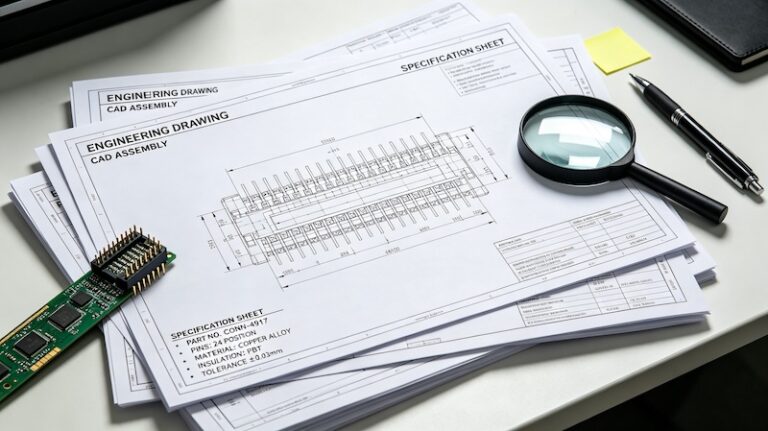
China’s 3D printer manufacturing ecosystem, centered around Shenzhen, ranges from major established brands to countless smaller factories building on shared open-source designs. Knowing the component landscape helps you evaluate quality beyond the spec sheet.
Extruder and Hotend Quality
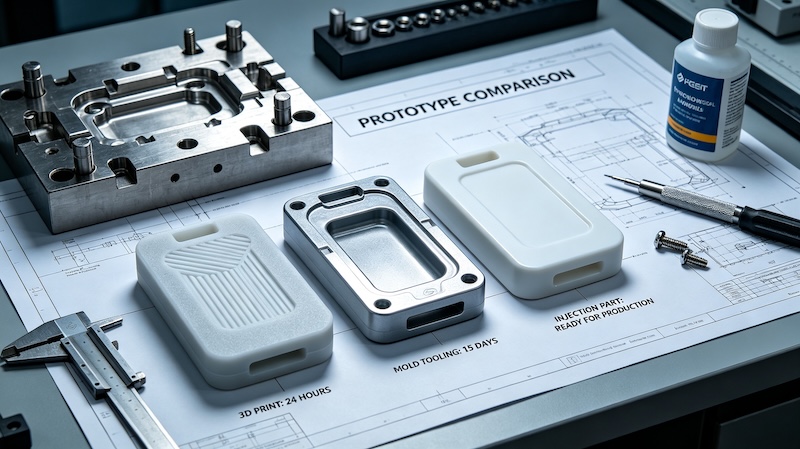
Direct drive and Bowden extruder setups each have trade-offs — direct drive handles flexible filaments better but adds weight to the print head, while Bowden setups allow faster movement with lighter print heads at the cost of flexible filament performance. Hotend quality (all-metal vs. PTFE-lined) determines maximum reliable printing temperature and affects which filament types the printer can handle well.
Frame Materials and Build Precision
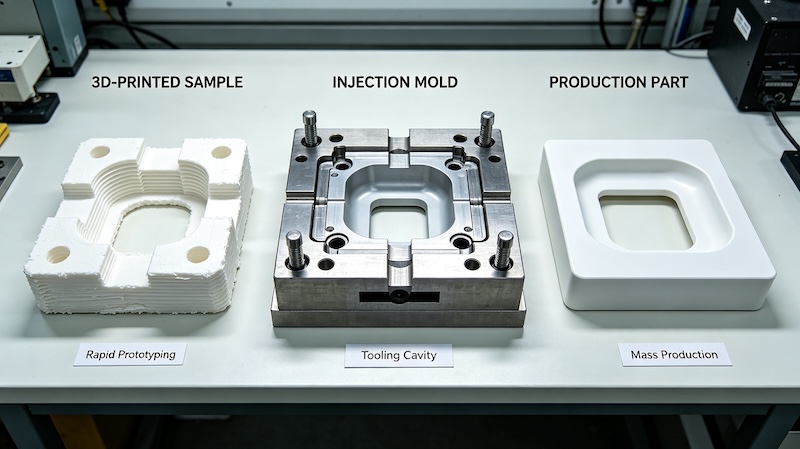
Aluminum extrusion frames dominate the mid-range market for their rigidity-to-cost ratio; sheet metal frames are cheaper but can introduce more vibration and print artifacts at speed. Ask about linear rail versus wheel-based motion systems — linear rails generally provide smoother, more precise movement at a higher component cost.
Firmware and Certification Considerations
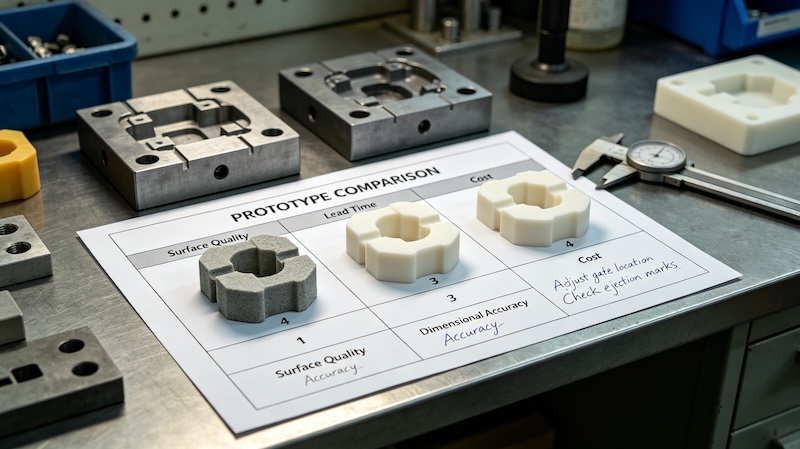
Most factories build on open-source firmware (Marlin, Klipper) which simplifies customization but means firmware quality varies by how well the factory has tuned and tested it for their specific hardware. For markets requiring electrical safety certification, confirm CE/UL certification status for the power supply and heating components specifically, since these carry real fire risk if under-engineered.
Frequently Asked Questions
Is direct drive or Bowden extrusion better for a general-purpose printer?
Bowden setups are common for cost-effective, faster general-purpose printing, while direct drive is increasingly preferred for reliability with flexible filaments — the right choice depends on your target user’s typical print materials.
Do 3D printers need the same electrical certification as other electronics?
Yes, the power supply and heating elements (hotend, heated bed) should carry appropriate CE/UL safety certification given the real fire risk from an under-engineered heating circuit.
What’s the practical difference between linear rails and wheel-based motion systems?
Linear rails typically offer smoother, more precise motion with less long-term wear, at a higher component cost compared to wheel-based V-slot systems.