California’s Proposition 65 requires a warning label on products that expose consumers to any of over 900 listed chemicals above a certain threshold, and because California’s market is so large, many brands apply Prop 65 warnings nationally rather than maintaining separate labeling for California-bound inventory.
What Prop 65 Actually Requires

Unlike most product safety regulations, Prop 65 isn’t primarily about banning substances — it’s a right-to-know disclosure law. If your product could expose a California consumer to a listed chemical above the “safe harbor” threshold, you need a clear warning label, even if the chemical is present in a genuinely small, arguably safe amount. This catches a surprisingly wide range of products, from certain electronics with lead solder to some leather goods, ceramics, and jewelry.
Testing to Determine If a Warning Is Needed

Because the chemical list is so broad (covering things like lead, cadmium, phthalates, and many others), the practical approach for most importers is targeted testing based on material type — leaded ceramics glaze, cadmium in metal jewelry plating, phthalates in soft plastics — rather than testing for all 900+ chemicals blindly.
Prop 65 Enforcement Reality
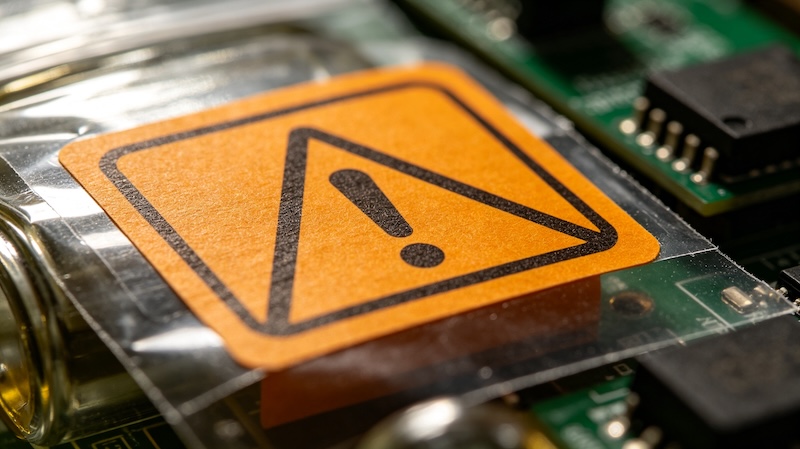
Prop 65 is enforced heavily through private citizen lawsuits (bounty-hunter style enforcement is explicitly allowed under the law), which means the practical risk isn’t primarily regulatory audits — it’s litigation. Many established sellers apply a general Prop 65 warning preemptively on products where testing is inconclusive or third-party manufacturing makes chemical composition harder to fully verify, simply to reduce litigation exposure.
Frequently Asked Questions
Do I need Prop 65 compliance if I don’t sell specifically in California?
If you sell nationally through marketplaces like Amazon, your product can reach California consumers regardless of your specific target market, so most sellers apply Prop 65 compliance nationally as a practical matter.
Does a Prop 65 warning mean my product is unsafe?
Not necessarily — it indicates the product may expose users to a listed chemical above a legal threshold, which can be a genuinely small and widely considered low-risk amount. It’s a disclosure requirement, not a safety failure indicator.
Why do so many products carry a generic Prop 65 warning even when testing wasn’t conclusive?
Because Prop 65 lawsuits are a real litigation risk and testing every raw material for all 900+ listed chemicals is impractical, many sellers apply a preemptive general warning as a lower-cost risk mitigation strategy.