Letters of credit (LC) are less common for small and mid-size China sourcing deals than T/T (wire transfer) payment, but they remain a genuinely useful tool for large orders, new supplier relationships, or situations where trust hasn’t yet been established between buyer and seller.
How a Letter of Credit Works
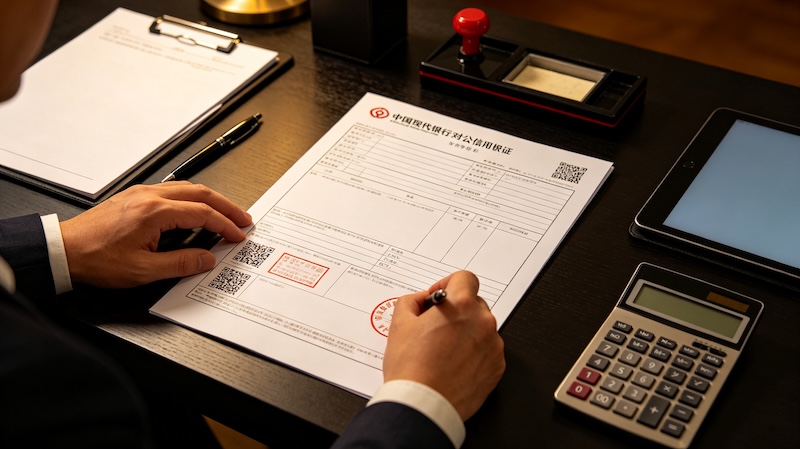
Your bank issues a formal guarantee to pay the supplier a specific amount, provided the supplier presents specific documents (like a bill of lading, commercial invoice, and packing list) proving they’ve shipped the goods as agreed. This shifts payment risk from a simple trust-based arrangement to a bank-guaranteed, document-based process — the supplier gets paid once they prove shipment, and you get contractual protection built around document compliance.
LC vs T/T: When Each Makes Sense
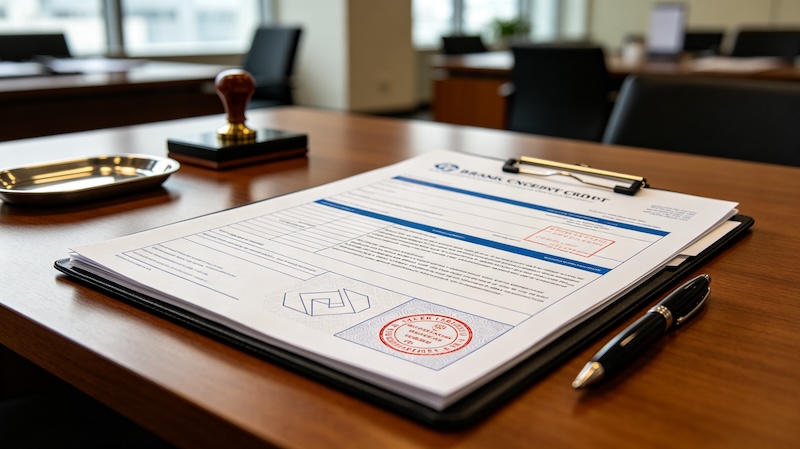
T/T (wire transfer), typically split as a deposit before production and balance before shipment, is simpler and cheaper (lower bank fees) and works well for established supplier relationships with a track record of trust. LC makes more sense for large first-time orders, higher-risk supplier relationships, or when your own buyer or investor requires more formal payment documentation for their own risk management.
Common Pitfalls With Letters of Credit
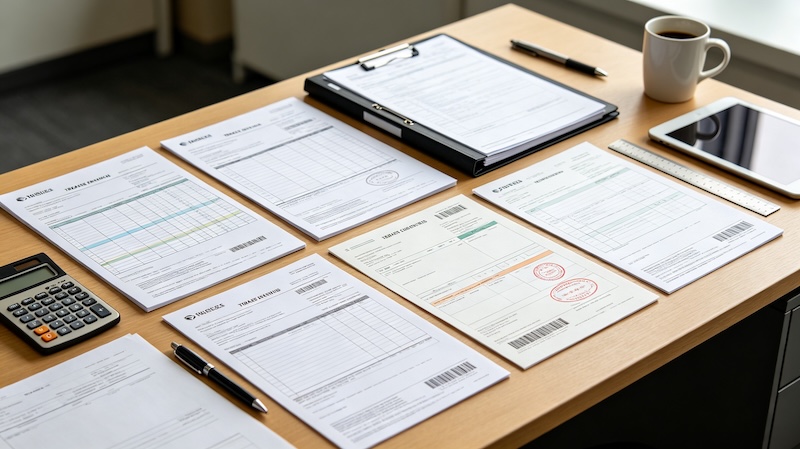
LCs are strictly document-based — banks pay based on paperwork matching the LC terms exactly, not on whether the actual goods match your expectations. A classic risk: the supplier presents fully compliant documents and gets paid, but the actual shipped goods don’t match your quality expectations. This is why an LC should be paired with pre-shipment inspection, not treated as a substitute for quality verification.
Frequently Asked Questions
Is a letter of credit more expensive than a wire transfer?
Yes, LCs involve bank fees on both the issuing and receiving side that are typically higher than standard wire transfer fees, which is part of why they’re mainly used for larger or higher-risk transactions.
Does a letter of credit guarantee the goods will be good quality?
No — LCs guarantee payment based on document compliance, not actual goods quality. Pair an LC with independent pre-shipment inspection for real quality assurance.
For a new supplier relationship, is LC always safer than T/T?
Generally yes for larger orders, since it adds a bank-verified documentation layer, but it’s not foolproof — always combine it with due diligence and inspection rather than relying on the LC alone.