Children’s products face the strictest compliance regime of almost any consumer category in the US, under CPSIA (Consumer Product Safety Improvement Act), and the consequences of non-compliance — recalls, fines, import refusal — are correspondingly severe.
Lead and Phthalate Limits
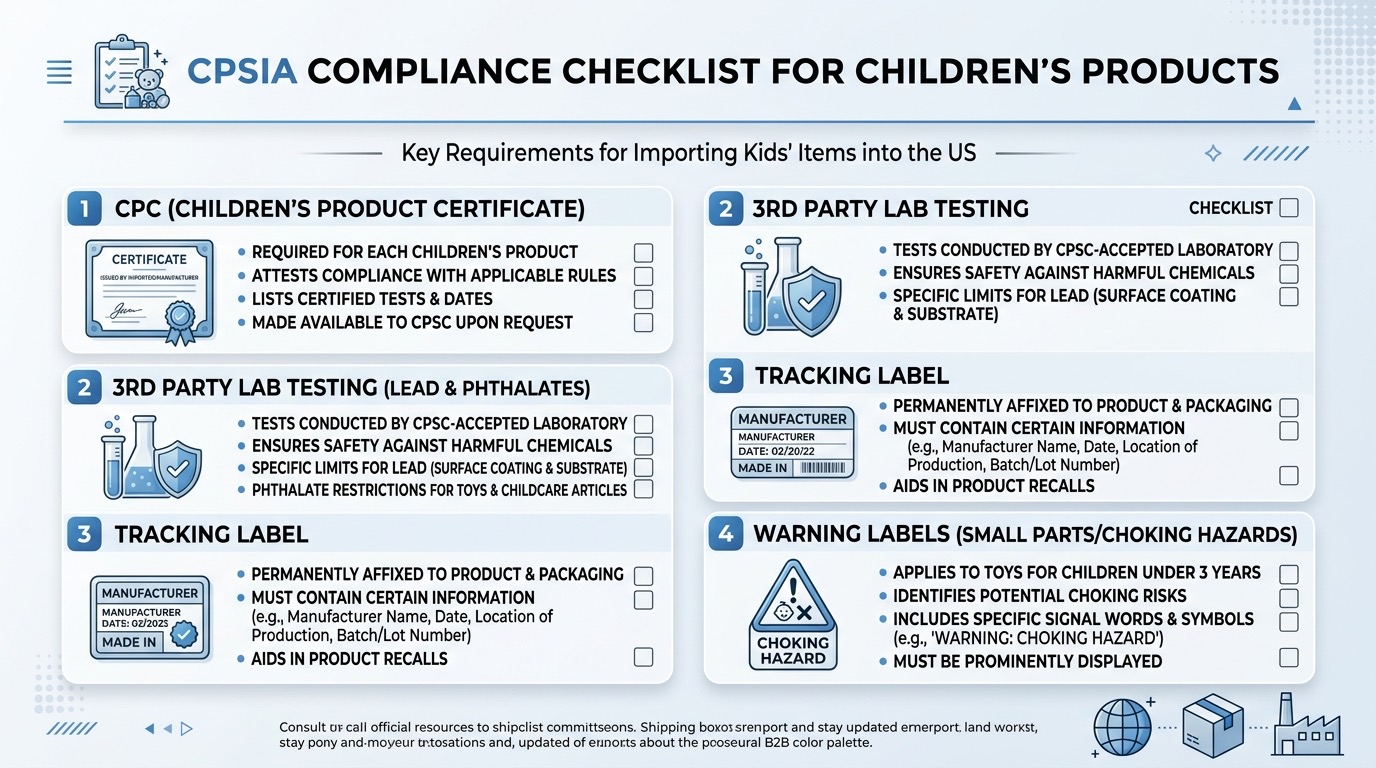
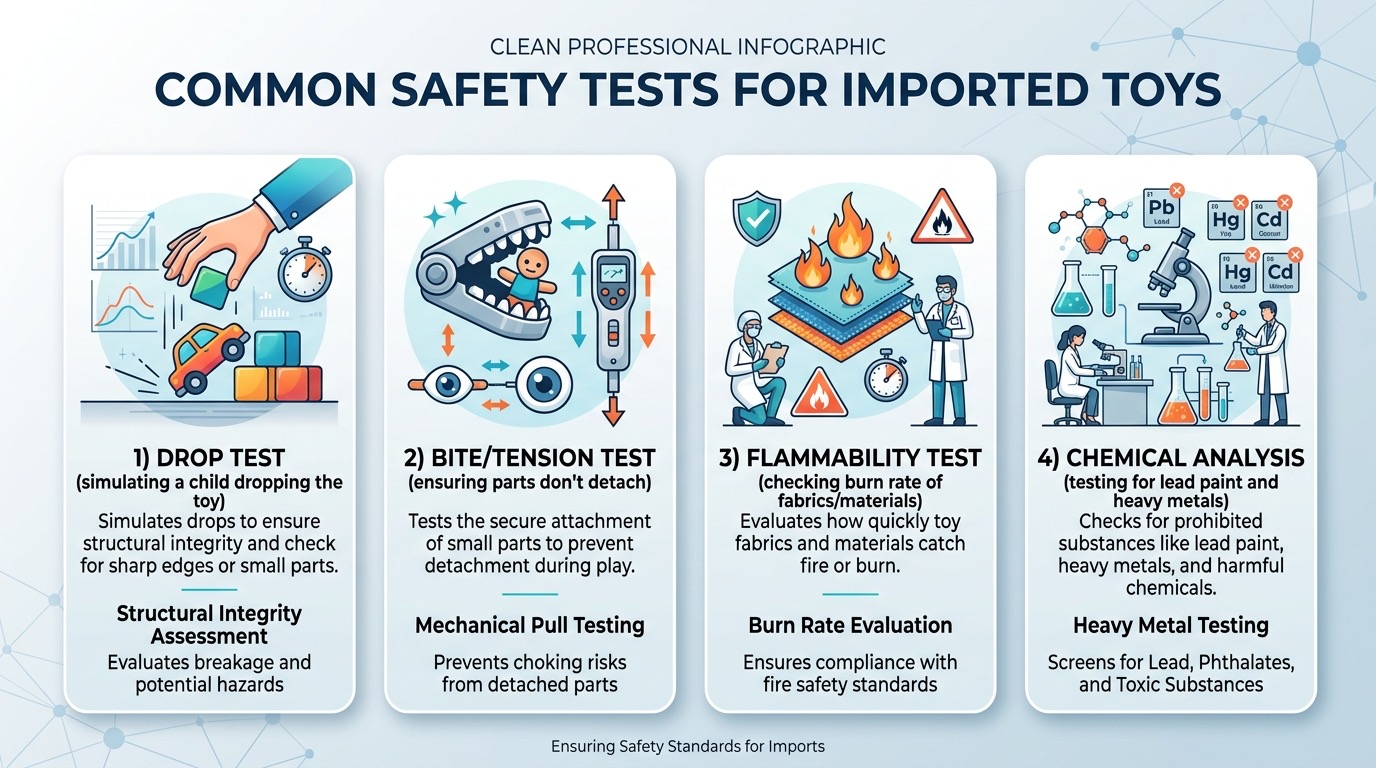
CPSIA sets strict limits on lead content in both substrate materials and surface coatings, along with limits on specific phthalates in plasticized components. These limits apply broadly across children’s products — toys, furniture, clothing, and more — not just toys specifically, which surprises some first-time importers sourcing children’s apparel or furniture who assume CPSIA only covers toys.
Third-Party Testing and the CPC
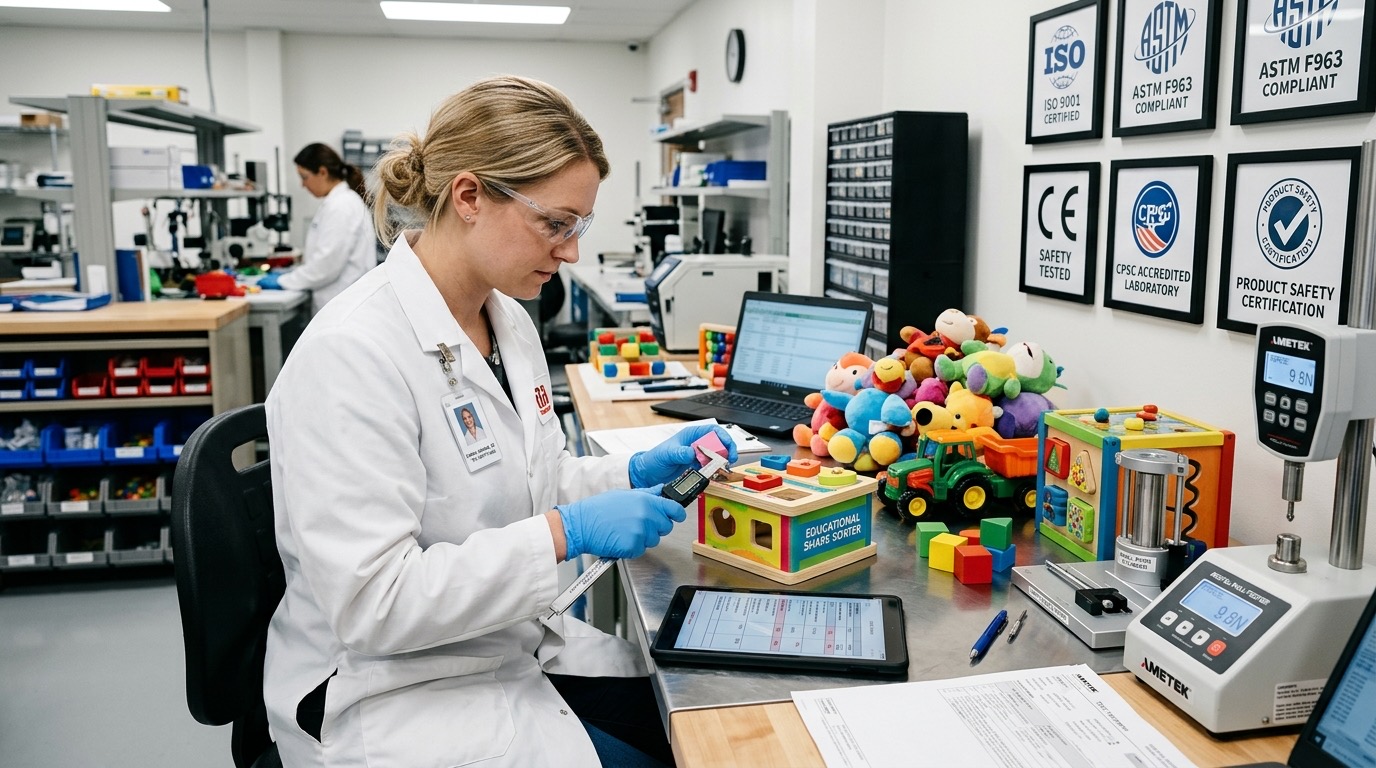
Children’s products generally require third-party testing by a CPSC-accepted lab, resulting in a Children’s Product Certificate (CPC) that must accompany the product and be available on request to CPSC or customs. This testing must be conducted on your specific product, not a generic category certification — a different colored plastic or a different fabric dye can change lead or phthalate content meaningfully.
Tracking Labels: An Often-Missed Requirement
CPSIA requires permanent tracking labels on children’s products and packaging, including manufacturer info, production location and date, and batch/run number — this becomes critical if a recall is ever needed, allowing precise identification of affected units. Many first-time importers focus entirely on the lead/phthalate testing and overlook this labeling requirement, which is itself a separate compliance violation if missing.
Frequently Asked Questions
Does CPSIA only apply to toys?
No, it applies broadly to products designed or intended primarily for children 12 and under, including furniture, apparel, and other categories, not just toys specifically.
Can I use a generic category test report instead of testing my specific product?
No, CPSIA testing must be conducted on your specific product configuration — color, material, and component changes can all affect lead and phthalate content and require separate testing.
What information must a CPSIA tracking label include?
Manufacturer or private labeler identity, location and date of production, and a batch or run number sufficient to identify a specific production run if a recall becomes necessary.