An importer in Canada received 3,000 units of branded silicone baking mats from a Guangdong factory. No pre-shipment inspection had been arranged — they’d worked with the factory before and felt comfortable skipping it. When the goods arrived and were opened, 23% had a color migration defect: a chemical reaction between the food-contact silicone and the dye used for the logo, visible as discoloration across the mat surface.
The defect had occurred during production and would have been caught in a standard function test. The factory acknowledged the issue but offered only a 10% discount on the next order. The importer absorbed $11,000 in unsellable inventory.
The inspection that would have caught this cost $240.
What a Pre-Shipment Inspection Actually Is
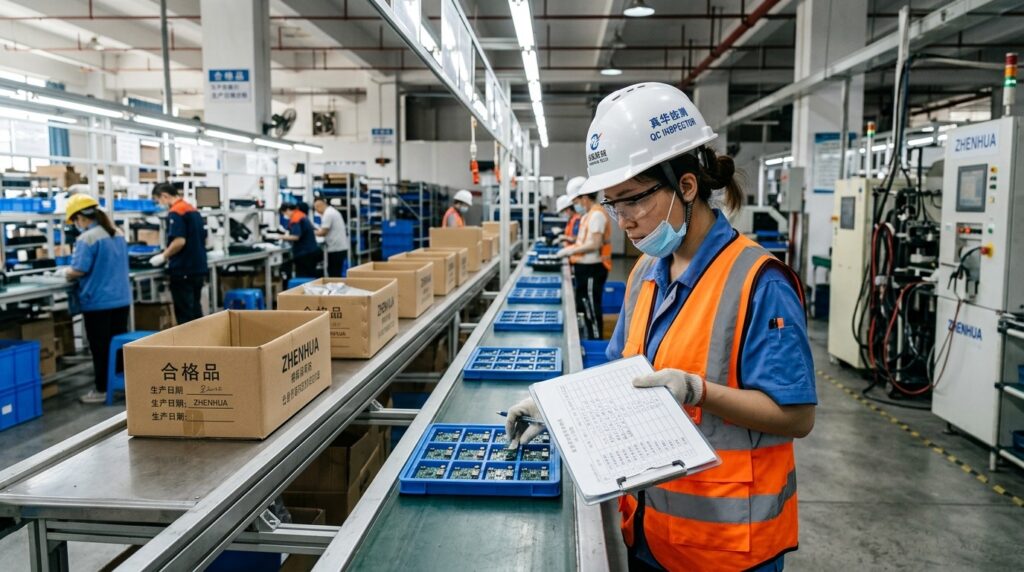
A pre-shipment inspection (PSI) — sometimes called a final random inspection (FRI) — is a quality check conducted at the factory after production is complete and before goods are loaded for shipment.
The key timing: it happens after the bulk order is finished but before the container is sealed and before you release your final payment. This timing is what gives the inspection its commercial power. You still have leverage.
The inspection is conducted by a qualified third-party inspector — not the factory’s own QC team, whose incentives are aligned with production output, not buyer protection.
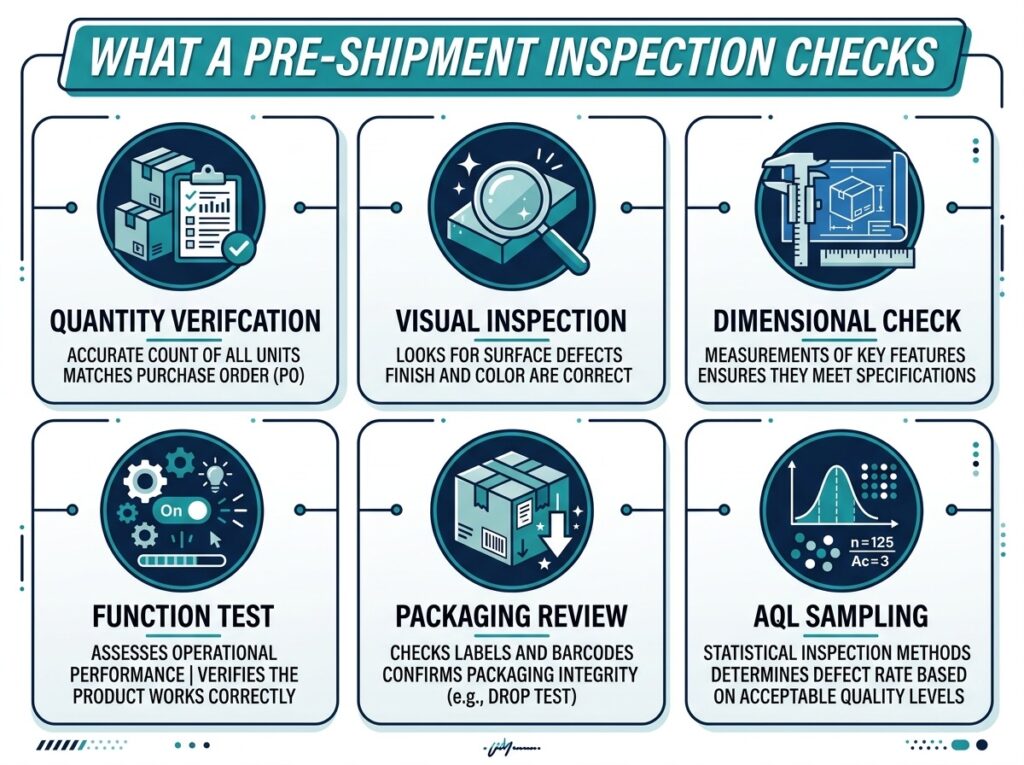
What Gets Checked: The 6 Core Inspection Areas
1. Quantity Verification
The inspector counts the units in the shipment and confirms they match the purchase order quantity. This sounds obvious — but short-shipments are more common than buyers expect, particularly on large orders where factories sometimes hold back units for other clients or to cover their own reject rate.
The inspector opens a representative sample of cartons and physically counts contents. They also verify master carton labeling — that the quantity marked on the outside of each carton matches what’s inside.
2. Visual and Workmanship Inspection
Every sampled unit is examined for visible defects:
- Surface defects: scratches, dents, discoloration, blemishes, uneven finish
- Assembly quality: gaps, misalignment, loose components
- Color and finish: comparison against the approved sample
- Print quality: logos, text, graphics — alignment, color accuracy, adhesion
- Material consistency: does the product feel and look the same across the sample?
Defects are classified as Critical (safety or major functionality issue), Major (likely to cause customer rejection), or Minor (cosmetic, unlikely to cause rejection). The inspector records counts in each category.
3. Dimensional and Weight Check
The inspector measures key dimensions of sampled units against your approved specifications. For products where dimensions matter — packaging that needs to fit a specific shelf space, components that need to fit into assemblies, products sold by weight or volume — this check is critical.
Tolerances should be defined in your spec sheet before production begins. The inspector checks against your documented tolerance range, not the factory’s interpretation of “close enough.”
4. Function and Safety Testing
Does the product do what it’s supposed to do?
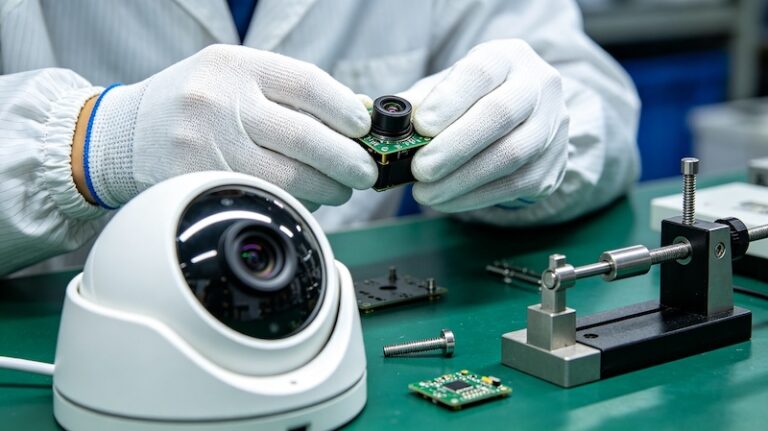
For functional products, the inspector tests operation: electronics are powered on and tested, mechanical products are assembled and operated, safety features are verified. Simple function tests catch the most common production failures before they reach your customers.
For products with specific safety requirements — particularly toys, children’s items, electrical products, and food-contact goods — the inspector may conduct basic safety checks or flag products for laboratory testing. Full compliance testing (CE, ASTM, FDA) is a separate process from a PSI and is conducted by specialized laboratories, not inspection inspectors.
5. Packaging and Labeling Review
Packaging is checked against your specifications:
- Inner and outer packaging integrity (can it survive shipping?)
- Labeling accuracy: product name, barcodes, country of origin, ingredient lists, regulatory markings
- Carton strength and drop test (does the carton protect contents?)
- Packing method consistency across the batch
Barcode accuracy is particularly important for Amazon FBA sellers — incorrect or unreadable barcodes cause receiving failures at the fulfillment center.
6. AQL Sampling — How the Numbers Work
AQL (Acceptable Quality Level) is the statistical framework that determines how many units are inspected to give a meaningful picture of the full batch.
You don’t inspect every unit — you inspect a statistically selected sample large enough to detect defects above a threshold with a specified confidence level.
Common AQL settings for consumer goods:
| Defect Type | Typical AQL Level | What It Means |
|---|---|---|
| Critical defects | AQL 0 | Zero tolerance — any found = fail |
| Major defects | AQL 2.5 | Max ~2.5% defect rate acceptable |
| Minor defects | AQL 4.0 | Max ~4% defect rate acceptable |
At AQL 2.5 for a 3,000-unit shipment, the inspector checks approximately 125 units. If more than 8 major defects are found in those 125 units, the batch fails.
Your inspection company will typically apply industry-standard AQL levels unless you specify otherwise. For higher-value or safety-sensitive products, you can request tighter AQL standards.
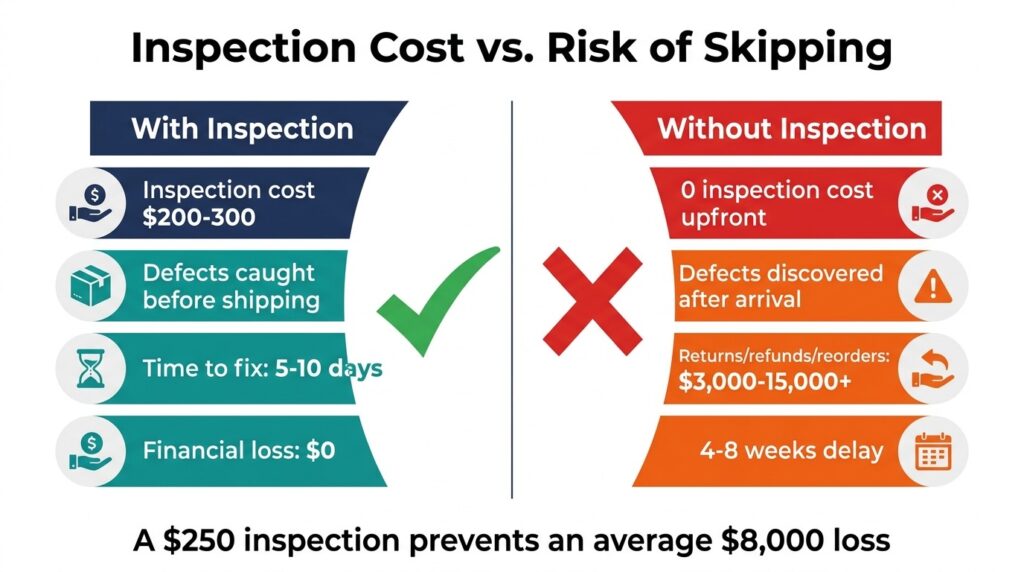
How Much Does a Pre-Shipment Inspection Cost?
Standard pricing for a one-day inspection in China:
| Provider | Cost per Man-Day | Notes |
|---|---|---|
| QIMA | $209–$289 | Online booking, fast scheduling |
| Bureau Veritas | $220–$310 | Larger network, more complex orders |
| SGS | $230–$320 | Most recognized globally |
| Intertek | $215–$305 | Strong in consumer goods |
| Local inspection companies | $120–$180 | Lower cost, variable quality |
Most standard PSIs for orders of 1,000–5,000 units are completed in one inspector-day. Larger orders or complex products may require two days.
When to book: At least 5–7 business days before your intended shipment date, and after confirming with the factory that production will be complete in time. Inspectors need the goods packed and accessible at the factory.
Which Inspection Company Should You Use?
The major international inspection companies (QIMA, SGS, Bureau Veritas, Intertek) all provide reliable, standardized service. The differences are operational:
- QIMA has the most buyer-friendly interface: online booking, digital reports within 24 hours, transparent scheduling. Good for first-time buyers.
- SGS is the most globally recognized brand — useful if your customers or platforms require an SGS report specifically.
- Bureau Veritas has broader certification capabilities if you also need compliance testing alongside the inspection.
- Local Chinese inspection companies cost less but vary significantly in thoroughness and report quality. Use with caution on first orders or high-value shipments.
The inspection company works for you, not the factory. Their report is your document. Some factories push back on third-party inspections — a factory that actively refuses an independent inspection is itself a red flag worth taking seriously.
How to Act on the Inspection Report
The report arrives within 24–48 hours of the inspection and includes photos, measurements, defect counts by category, and a pass/fail verdict.
If the report shows PASS:
Release the final payment balance and authorize shipment. Keep a copy of the report — it’s your documentation that the goods were verified before loading.
If the report shows FAIL:
This is where the inspection pays for itself. You now have documented evidence of the defect, before the goods have shipped and before you’ve released your final payment.
Your options:
Request rework — The factory fixes the defective units and a re-inspection is conducted (additional inspection cost applies). For fixable defects on high-value orders, this is often the right path.
Negotiate a price reduction — If the defect rate is within a range you can commercially absorb (e.g., 5% defective on an order where your margin allows for some returns), negotiate a discount proportional to the defect rate before releasing payment.
Reject the shipment — For severe defects (safety issues, fundamental specification failure, defect rates above 15–20%), refusing to authorize shipment and demanding either rework or refund of your deposit is a legitimate commercial response. This situation is easier to resolve if your purchase agreement specified inspection as a condition of final payment.
Partial acceptance — Some inspection companies can arrange to separate passing units from failing units. You accept and pay for the conforming portion, reject the rest.
Important: Never release your final 70% payment based solely on the factory’s “production complete” notification. Tie the payment release explicitly to a satisfactory inspection report. This one practice prevents the vast majority of post-arrival quality disputes.
Types of Inspections Beyond Pre-Shipment
PSI is the most common, but there are other inspection types worth knowing:
| Inspection Type | When | Purpose |
|---|---|---|
| Pre-Production (PPI) | Before production starts | Verify materials and factory readiness |
| During Production (DUPRO/DPI) | When 30–80% complete | Catch problems early, when correction is still possible |
| Pre-Shipment (PSI/FRI) | After production, before shipment | Standard final check |
| Container Loading Supervision (CLS) | During loading | Verify correct goods are loaded, count confirmed |
| Factory Audit | Before first order | Assess factory capabilities, management systems |
For most buyers on standard repeat orders, PSI alone is sufficient. For complex custom products, first orders with new factories, or high-value shipments, combining PSI with a DUPRO provides significantly better coverage.
The Mindset Shift That Changes Everything
Most buyers who skip inspections do so because they’ve built a degree of trust with a supplier. “We’ve worked together for two years, I know they do good work.” This is understandable — and it’s also how most quality problems with established suppliers happen.
Quality is not a fixed property of a factory. It’s an output of specific people, specific raw material batches, specific production conditions, and specific management attention on a specific day. The factory that produced perfect goods six months ago may have different workers on your order, different raw material suppliers, or more production pressure from other clients.
An inspection doesn’t signal distrust. It signals professionalism — the same reason an auditor reviews accounts that everyone expects to be correct, or a structural engineer inspects a bridge that everyone expects to be safe.
The $250 inspection is not insurance against a bad supplier. It’s due diligence for a business relationship where you can’t be physically present, conducted at the moment when you still have leverage to do something about what it finds.
Related reading → China Quality Control: The Complete Guide from Sample to Mass Production
Inspection pricing cited reflects 2025–2026 rates from major international inspection companies operating in China. Actual pricing varies by product complexity, inspection duration, and factory location.