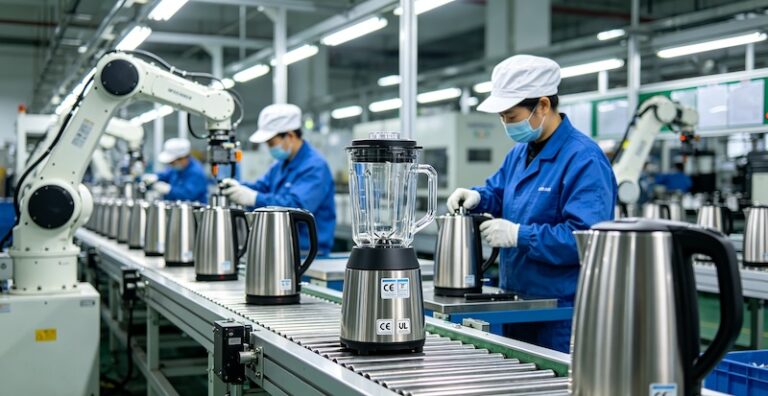
Finding a reliable manufacturer in China is only the first step in building a successful supply chain. The real competitive advantage lies in cultivating a strong, long-term Chinese supplier relationship. A good partnership can lead to better pricing, priority production times, and collaborative product development.
However, cultural differences, distance, and misaligned expectations can easily lead to costly mistakes. Here is a comprehensive guide on how to build a lasting relationship with your Chinese supplier while protecting your business interests.
1. Understand the Concept of “Guanxi”
In Chinese business culture, Guanxi (relationships or connections) is fundamental. It implies a deeper level of trust and mutual obligation than typical Western transactional business relationships. Building Guanxi takes time and intentional effort.
- Look Beyond the Transaction: Take an interest in your supplier point-of-contact. Ask about their holidays, families, and well-being.
- Consistency is Key: Regular communication, even when you aren’t placing an immediate order, helps solidify the bond.
2. Communicate with Crystal Clarity
Miscommunication is the root cause of most supplier issues. Never assume a supplier understands your unstated requirements.
- Document Everything: Use comprehensive Purchase Orders (POs) and detailed product specification sheets. Include diagrams, exact measurements, and material requirements.
- Simplify Your Language: Avoid slang, idioms, and complex sentence structures. Use clear, direct English.
- Confirm Understanding: Instead of asking “Do you understand?”, ask the supplier to summarize the requirements back to you to ensure alignment.
3. Be a “Good Customer” First
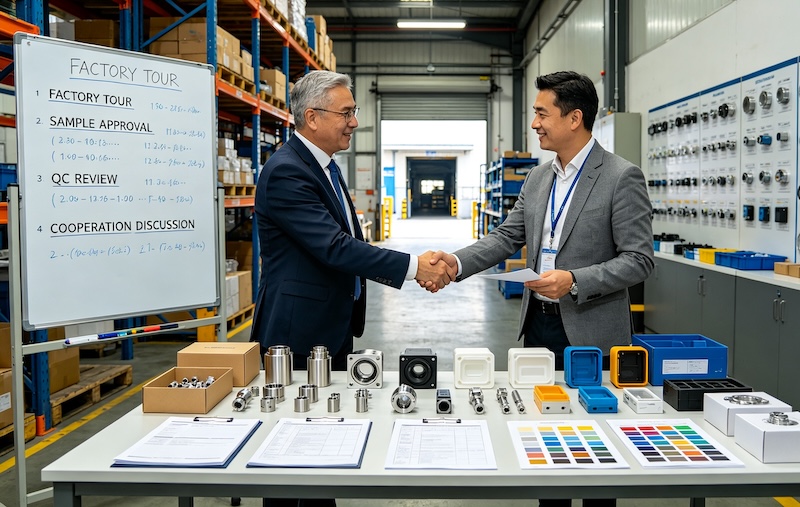
Suppliers evaluate buyers just as rigorously as buyers evaluate suppliers. Top-tier factories want to work with professional, reliable clients.
- Pay on Time: This is the fastest way to build trust. Stick strictly to the agreed payment terms.
- Provide Realistic Forecasts: Share your quarterly or annual sales projections. This helps the factory plan their capacity and shows you view them as a long-term partner.
- Don’t Nickel-and-Dime: While negotiating is expected, constantly grinding the supplier down on price will lead to them cutting corners on quality to maintain their margins. Aim for a win-win price point.
4. Implement Professional Quality Control
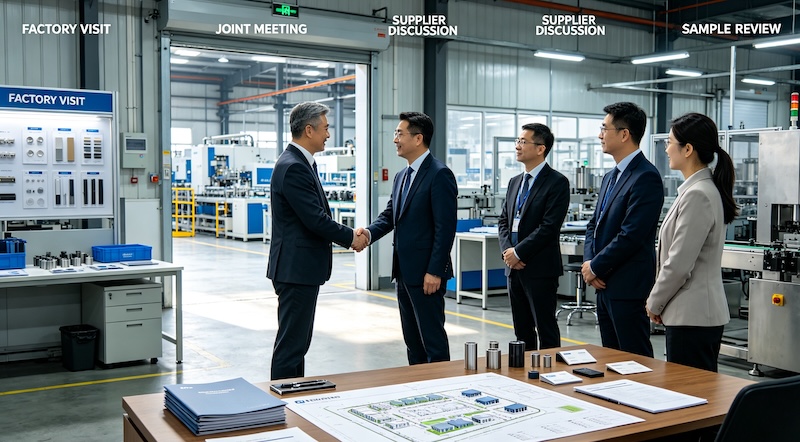
Trusting your supplier does not mean abandoning oversight. Professional quality control protects both parties by catching errors before they ship.
- Pre-Shipment Inspections: Always use third-party inspection agencies, especially for the first few orders.
- Frame It Positively: Present inspections not as a lack of trust, but as standard company policy designed to help both your business and the factory ensure the end consumer is happy.
- Address Issues Collaboratively: When defects are found, avoid aggressive blame. Instead, ask, “How can we work together to prevent this in the next production run?”
5. Visit the Factory (or Hire a Sourcing Agent)

There is no substitute for face-to-face interaction when building a Chinese supplier relationship.
- Factory Visits: Visiting the factory shows you are a serious buyer. It allows you to audit their capabilities, meet the management team, and share a meal—a crucial part of building Guanxi.
- Local Representation: If you cannot travel, consider hiring a reputable local sourcing agent to visit on your behalf. Having feet on the ground demonstrates commitment and oversight.
Conclusion
Building a long-term Chinese supplier relationship is a delicate balance of fostering deep interpersonal trust while maintaining rigorous professional standards. By focusing on clear communication, mutual respect, and consistent quality control, you can create a partnership that fuels your business growth for years to come.
Frequently Asked Questions
What is Guanxi in Chinese business?
Guanxi refers to the network of relationships, trust, and mutual obligations that are fundamental to conducting successful business in China.
How can I negotiate without ruining the supplier relationship?
Focus on win-win negotiations. Avoid aggressively grinding down prices, as this often forces suppliers to cut quality to maintain margins. Negotiate on terms, volume, and long-term value instead.
Does inspecting goods show a lack of trust to Chinese suppliers?
No, if framed correctly. Present third-party inspections as a standard company policy aimed at collaborative quality improvement, rather than a lack of trust in the supplier.