For businesses importing goods from Asia, the most disruptive event of the year is undoubtedly the Chinese New Year (CNY). Also known as the Spring Festival, this holiday triggers the largest annual human migration on the planet and essentially shuts down Chinese manufacturing for weeks. If your Chinese New Year sourcing strategy isn’t rock solid, you risk devastating delays, stockouts, and quality control disasters.
In this comprehensive guide, we’ll explain how CNY impacts your supply chain and provide a definitive roadmap to ensure your business continues to thrive during the shutdown.
Understanding the Timeline of Disruption
Unlike Western holidays that might disrupt business for a few days, Chinese New Year affects production for over a month.
The Pre-Holiday Rush (January)
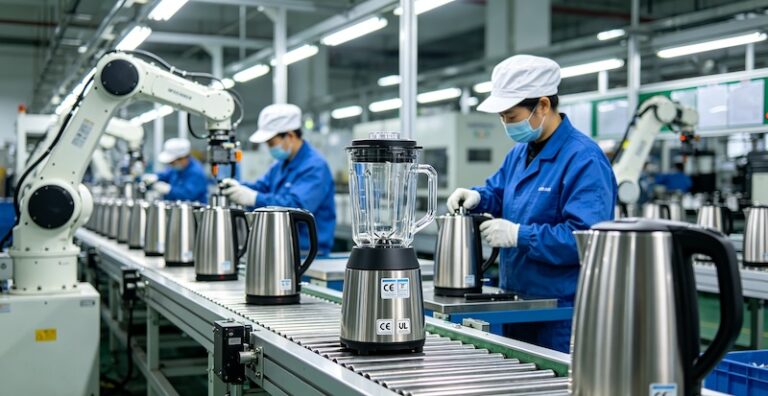
Weeks before the official holiday, factories enter a frenzied state. They are rushing to complete orders before shutting down. During this time:
* Production bottlenecks: Factories are operating at maximum capacity.
* Quality risks: The rush to finish often leads to corner-cutting and higher defect rates.
* Shipping capacity: Freight space becomes scarce, leading to spiked shipping costs.
The Total Shutdown (February)
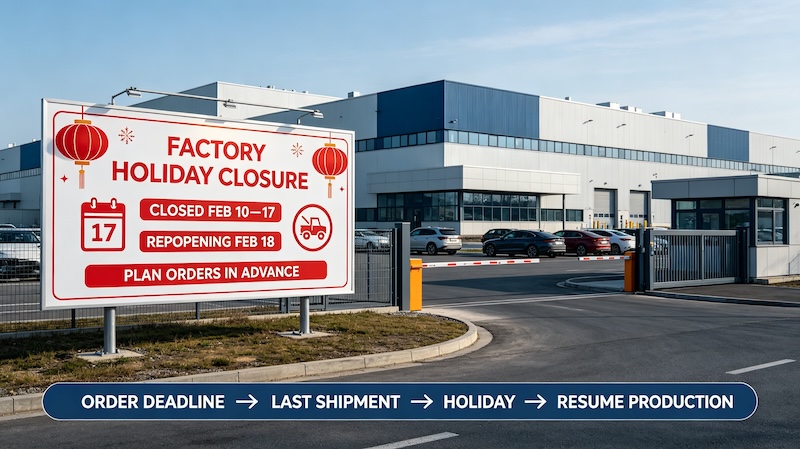
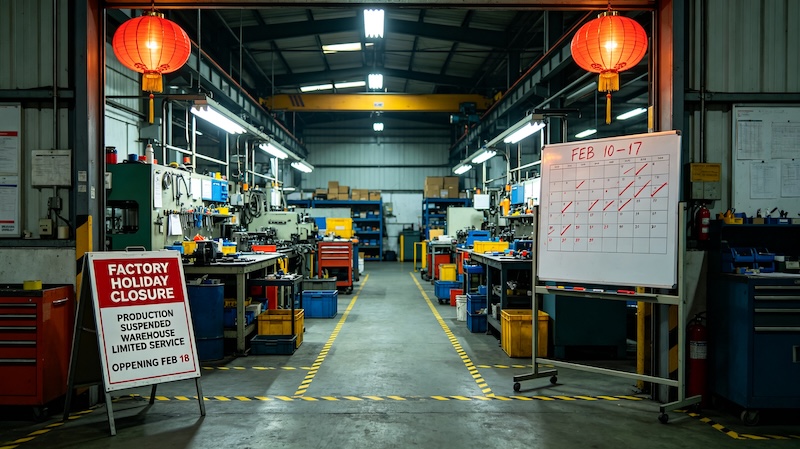
During the official holiday (which usually falls between late January and mid-February), virtually all manufacturing ceases. Factories close completely, and workers travel back to their hometowns. Communication with your suppliers will be minimal or non-existent.
The Post-Holiday Recovery (March)
The hangover from CNY lasts for weeks. When factories reopen, they do not immediately return to 100% capacity.
* Worker turnover: It’s common for up to 30% of factory workers not to return after the holiday.
* Re-hiring and training: Factories must hire and train new staff, slowing down production speeds and increasing the risk of errors on early batches.
Strategic Planning for Chinese New Year Sourcing

To successfully navigate this period, proactive planning is absolutely essential. Waiting until December to prepare for Chinese New Year sourcing is already too late.
1. Forecast Early and Aggressively
Your inventory forecasting needs to cover the entire shutdown period plus the slow recovery phase. A general rule of thumb is to hold enough inventory to cover your sales through March or early April.
2. Communicate With Your Suppliers Early
Start discussing CNY schedules with your suppliers in October or November.
* Ask for their exact closing and reopening dates.
* Confirm the latest date you can place an order to guarantee shipment before the holiday.
* Discuss their current capacity and any anticipated worker shortages post-holiday.
3. Implement Rigorous Quality Control
Because of the pre-holiday rush and post-holiday worker turnover, quality control (QC) is more critical than ever.
* Pre-shipment inspections: Never skip a pre-shipment inspection during the weeks leading up to CNY.
* Post-holiday vigilance: Keep a close eye on the first batches produced after the factory reopens, as they may be handled by inexperienced, newly hired workers.
4. Diversify Your Sourcing
While China remains a manufacturing powerhouse, relying solely on one region makes you vulnerable. Consider diversifying your supply chain by sourcing from countries like Vietnam, India, or Mexico that are less impacted by the lunar new year, reducing your overall risk profile.
The Cost of Unpreparedness
Failing to implement a robust Chinese New Year sourcing plan can be incredibly costly. The combination of stockouts, expedited shipping fees (when you finally get your goods), and customer dissatisfaction from delayed orders can severely impact your bottom line.
By understanding the unique challenges of the Spring Festival and implementing these strategies, you can transform Chinese New Year from a supply chain nightmare into a predictable, manageable event. Stay proactive, communicate clearly, and ensure your business is insulated from the seasonal disruptions.
Frequently Asked Questions
How long does Chinese New Year affect manufacturing?
Chinese New Year affects manufacturing for over a month. It includes the pre-holiday rush in January, a total shutdown during the holiday, and a slow recovery period in March due to worker turnover.
When should I start preparing for Chinese New Year sourcing?
You should start planning for Chinese New Year sourcing as early as October or November. This gives you enough time to forecast inventory, place orders, and coordinate with your suppliers.
Why is quality control important around Chinese New Year?
Quality control is crucial because factories rush to finish orders before closing, which can increase defect rates. After reopening, high worker turnover means new, inexperienced staff might be handling your production.