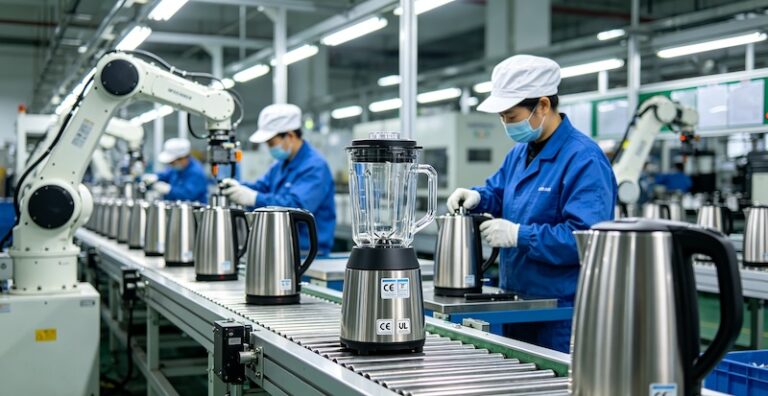
When entrepreneurs calculate their potential profit margins, they typically look at the factory price of an item and the selling price. This simplistic approach is the fastest way to bankrupt an e-commerce business. The factory quote—often referred to as the FOB or EXW price—is merely the starting point.
Understanding the true cost of sourcing from China requires a deep dive into the logistics, compliance, and operational fees that slowly eat away at your margins. Here are the 9 hidden fees most buyers miss on their first order.
1. Tooling and Mold Costs
If you are modifying an existing product or creating a custom item (OEM/ODM), the factory will need to create molds or specialized tooling.
* The Trap: Factories sometimes offer low unit prices but heavily inflate the tooling costs.
* The Reality: Depending on the complexity and material (e.g., injection-molded plastic vs. metal), tooling can cost anywhere from $500 to over $10,000 before a single product is made.
2. Sample and Prototyping Fees
You should never place a bulk order without approving a sample first.
* The Trap: Buyers assume samples are free or cheap.
* The Reality: Custom samples are often charged at a premium—sometimes 3x to 5x the unit cost—plus expensive express air freight ($50-$100+) to get it to your office quickly.
3. Product Compliance and Testing
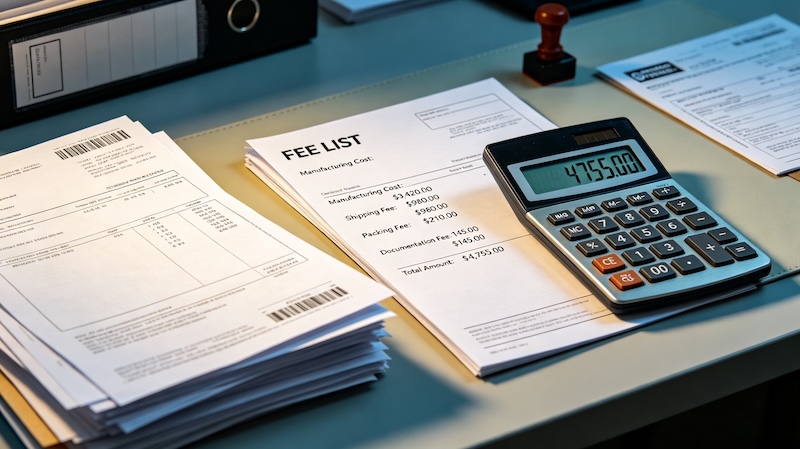
Selling in markets like the US or EU requires strict adherence to safety regulations (e.g., CE, FCC, RoHS, FDA).
* The Trap: Assuming the factory has the required certificates. Even if they do, the certificate might be fake, expired, or for a different product.
* The Reality: You are legally responsible for compliance. Hiring a third-party lab to test your product and issue valid certificates can cost hundreds or thousands of dollars.
4. Third-Party Quality Control (QC) Inspections
Trusting the factory’s internal quality control is a massive risk.
* The Trap: Skipping inspections to save money.
* The Reality: A standard pre-shipment inspection by a reputable third party usually costs around $300 per man-day. This is a crucial insurance policy against receiving a container full of unsellable defects.
5. Inland Transportation (EXW vs. FOB)
Understanding your Incoterms is critical.
* The Trap: Getting an EXW (Ex Works) quote and assuming it includes getting the goods to the port.
* The Reality: With EXW, you must pay for a truck to move the goods from the factory floor to the Chinese port. If the factory is inland, this can add hundreds of dollars to your costs. Always strive for FOB (Free On Board) pricing, where the factory covers inland transport.
6. Freight Forwarding and Origin Charges
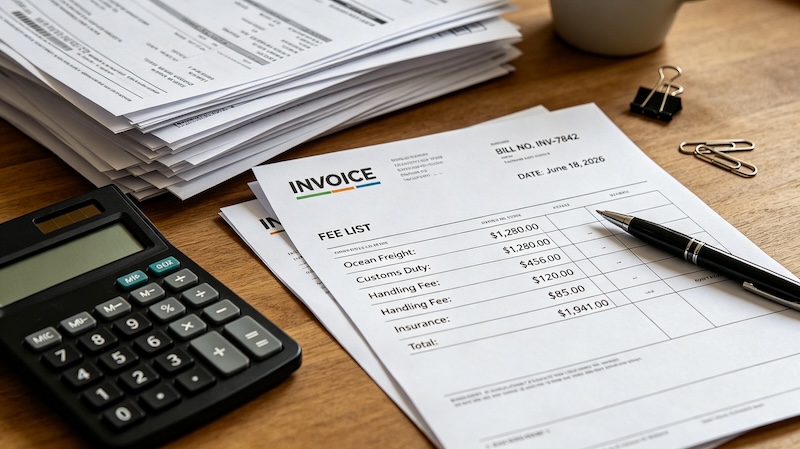
Ocean freight isn’t just the cost of moving a container across the water.
* The Trap: Only calculating the base freight rate.
* The Reality: You will be hit with origin terminal handling charges, customs clearance fees in China, document fees, and port security charges before the ship even leaves.
7. Destination Duties and Tariffs
Once your goods arrive in your home country, the government wants its cut.
* The Trap: Forgetting to check the HS code and corresponding tariff rates.
* The Reality: Depending on the product category and current trade agreements (or trade wars), import duties can range from 0% to upwards of 25%.
8. Currency Fluctuation Costs
International trade involves currency exchange, usually USD to RMB.
* The Trap: Assuming the exchange rate will remain static between your deposit and final payment.
* The Reality: If the US Dollar weakens against the Chinese Yuan, your final payment could cost you significantly more in your local currency than you initially budgeted. Furthermore, banks charge hidden spreads on the exchange rate.
9. Warehousing and Fulfillment Minimums
Your goods have arrived safely, but the costs aren’t over.
* The Trap: Miscalculating the size of the shipment and storage fees.
* The Reality: If you use a 3PL (Third Party Logistics) provider or Amazon FBA, you will pay receiving fees, long-term storage fees if the product sells slowly, and pick-and-pack fees for every order.
Calculating Your Landed Cost
To survive in physical product sales, you must calculate the true Landed Cost—the total price of a product once it has arrived at your buyer’s door. By factoring in these 9 hidden costs before you place your first order, you can price your products accurately, protect your margins, and build a sustainable supply chain.
Frequently Asked Questions
What is the difference between EXW and FOB pricing?
EXW (Ex Works) means the buyer pays to transport the goods from the factory to the port. FOB (Free On Board) means the factory covers the cost of inland transportation and loading the goods onto the vessel.
Are third-party QC inspections necessary when sourcing from China?
Yes, third-party quality control inspections are crucial. They typically cost around $300 per day and act as insurance to ensure your products meet specifications before they are shipped.
What is landed cost?
Landed cost is the total price of a product once it has arrived at your warehouse or buyer’s door. It includes the factory price, tooling, shipping, duties, inspections, and all other hidden fees.