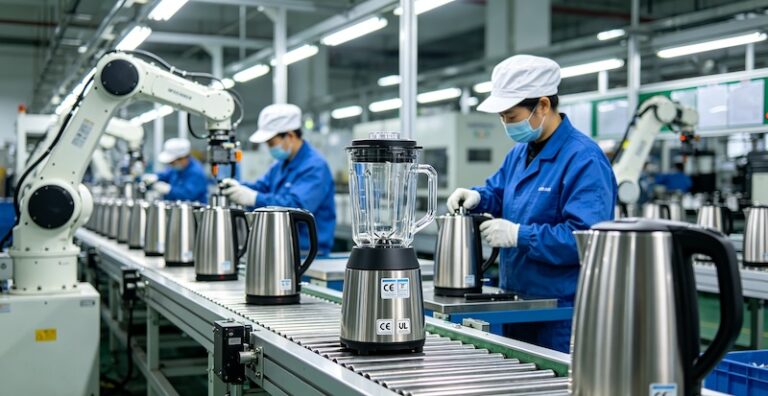
When importing goods from overseas, managing cash flow and navigating complex customs regulations can be daunting. One highly effective strategy that seasoned importers use is leveraging a bonded warehouse in China. This specialized facility allows you to store, process, and manage your inventory with significant financial and logistical advantages.
In this comprehensive guide, we’ll explain exactly what a bonded warehouse in China is, how it works, and how you can use it to lower your import costs and streamline your global supply chain.
What is a Bonded Warehouse?
A bonded warehouse is a secure facility regulated by customs authorities where imported goods can be stored, manipulated, or undergo manufacturing operations without the immediate payment of import duties or taxes. In the context of China, these warehouses are usually located in special economic zones or free trade zones (FTZs).
When your goods enter a bonded warehouse in China, they are technically considered to be outside the country’s customs territory. Duties and taxes are only paid when the goods are officially entered into the domestic market.
Key Benefits of Using a Bonded Warehouse in China
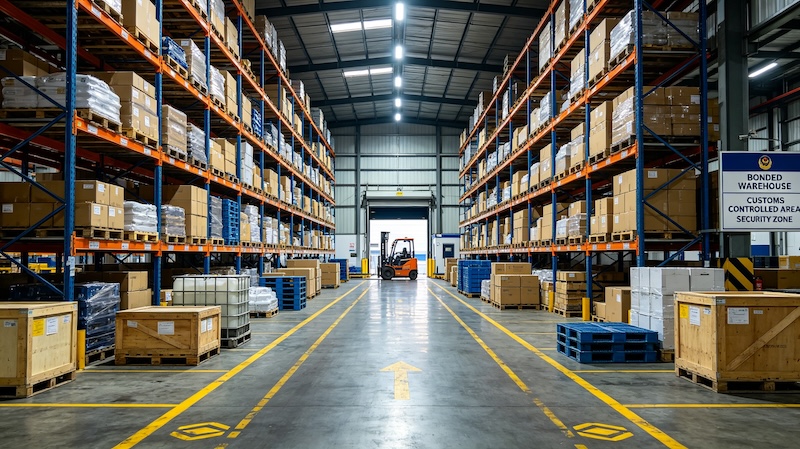
Utilizing a bonded warehouse in China offers several distinct advantages for importers and international businesses:
1. Duty Deferral and Cash Flow Management
The most significant benefit is the ability to defer the payment of import duties and taxes. Instead of paying a lump sum upfront when your goods arrive, you only pay when you withdraw the items from the warehouse for domestic sale. This deferral keeps your working capital free for other business operations.
2. Avoiding Duties on Re-exports
If you are using China as a distribution hub to ship products to other countries in Asia or globally, a bonded warehouse is invaluable. Goods stored in a bonded warehouse and subsequently exported to a third country are entirely exempt from Chinese import duties and taxes.
3. Value-Added Services
Bonded warehouses in China often allow for various operations to be performed on the goods while they are in storage. These include:
* Repackaging and relabeling
* Quality control inspections
* Kitting and light assembly
* Sorting and grading
4. Long-Term Storage Solutions
Bonded warehouses offer secure, long-term storage options. If market demand is low, you can safely store your inventory without the pressure of immediate customs clearance and taxation, waiting for the optimal time to sell.
How to Effectively Use a Bonded Warehouse to Lower Costs
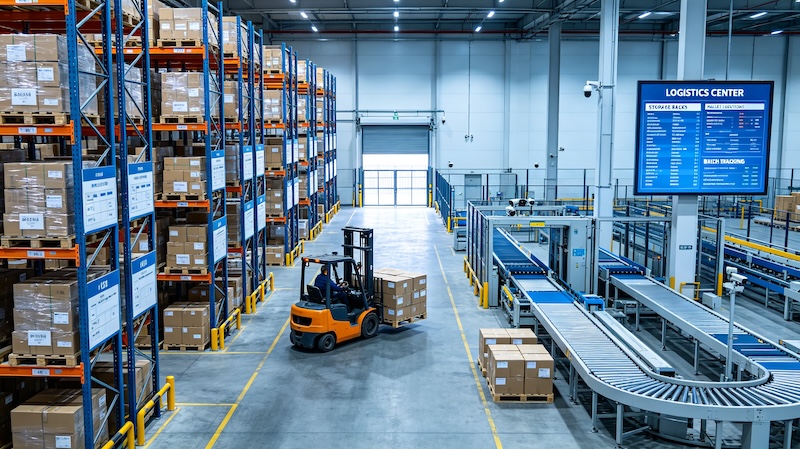
To maximize your savings, consider integrating a bonded warehouse in China into your supply chain strategy in the following ways:
Strategic Consolidation
If you source products from multiple manufacturers across China, you can consolidate these shipments in a bonded warehouse. This allows you to optimize your shipping containers, reducing freight costs and minimizing handling fees.
Efficient Order Fulfillment for E-commerce
Cross-border e-commerce businesses heavily rely on bonded warehouses in China. By storing inventory close to the manufacturing source but outside the customs zone, sellers can quickly fulfill international orders. When an order is placed, the item is shipped directly to the international customer without incurring Chinese import taxes.
Mitigating Tariff Risks
In an era of fluctuating trade policies and sudden tariff changes, storing goods in a bonded warehouse provides a buffer. You can wait out unfavorable tariff periods or quickly redirect shipments to alternative markets without financial penalty.
Choosing the Right Bonded Warehouse Partner
Selecting the right logistics partner is crucial. Look for providers with:
* Strong relationships with Chinese Customs authorities.
* Advanced Warehouse Management Systems (WMS) for real-time inventory tracking.
* Experience handling your specific product category.
* Strategic locations near major ports or airports.
Conclusion
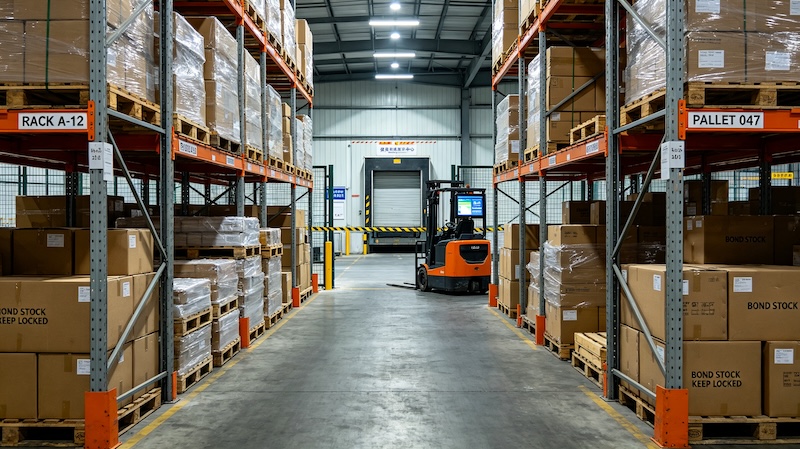
A bonded warehouse in China is more than just a storage facility; it is a powerful financial and logistical tool. By understanding how to leverage duty deferral, tax exemptions on re-exports, and value-added services, you can significantly lower your import costs and build a more resilient and profitable supply chain.