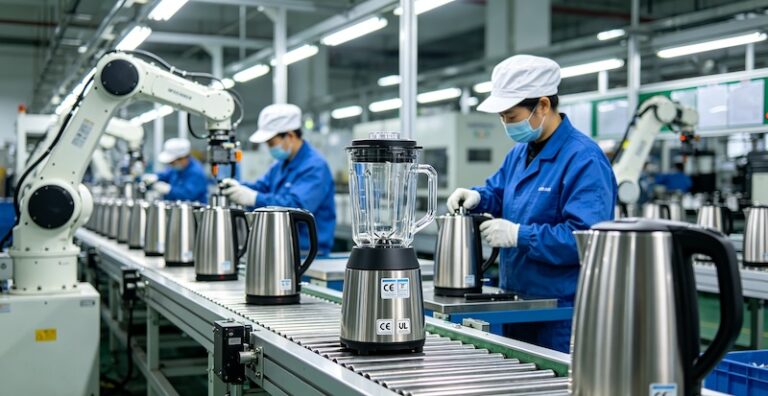
It’s the email every importer dreads: you’ve finalized your margins, promised delivery to your customers, and suddenly, your manufacturer announces a Chinese supplier price increase right in the middle of your order.
Whether they cite rising raw material costs, currency fluctuations, or increased labor expenses, a sudden price hike can severely impact your bottom line. How you respond in this critical moment determines whether you absorb a loss, damage a relationship, or successfully navigate the situation. Here is a step-by-step guide on how to effectively handle a mid-order price increase from a Chinese supplier.
1. Don’t Panic—Pause and Assess
Your immediate reaction might be anger or frustration, but responding emotionally is counterproductive. Take a step back. Acknowledge receipt of their message politely, but inform them that you need time to review the situation internally before agreeing to any changes.
This pause achieves two things: it prevents you from making a rash concession, and it signals to the supplier that you take these changes seriously and will not simply rubber-stamp a price hike.
2. Demand a Detailed Justification
Never accept a vague explanation like “costs have gone up.” Require a comprehensive, itemized breakdown of exactly why the price is increasing.
- Raw Materials: If they claim material costs increased, ask which specific materials and request market data or charts demonstrating this spike.
- Currency Exchange: If the RMB has strengthened against the USD, verify the historical exchange rates over the relevant period.
- Labor Costs: While harder to verify, ask for specifics on how much labor contributes to the unit cost.
By demanding transparency, you force the supplier to justify their position, which often leads them to walk back unjustified or exaggerated increases.
3. Review Your Initial Agreement and Proforma Invoice (PI)
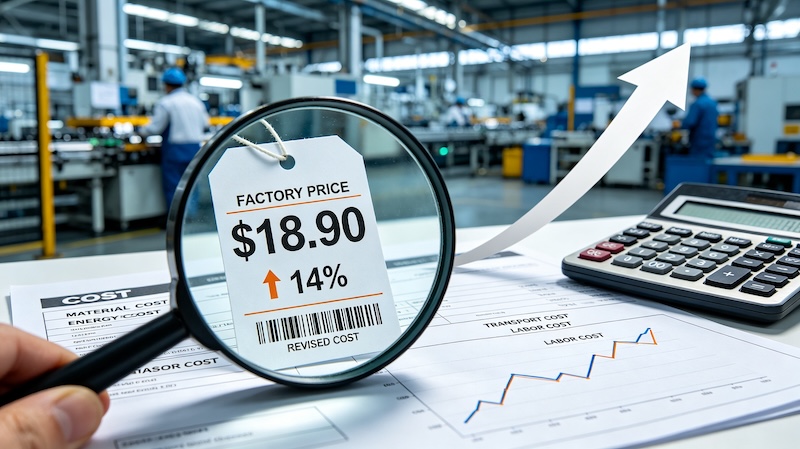
Pull out your signed Proforma Invoice (PI) and any manufacturing agreements.
* Did you pay a deposit based on a fixed price?
* Does your contract have a clause dictating how long a quoted price is valid?
If you have a solid PI and have already paid a deposit, you have strong leverage. Remind them firmly but professionally that the deposit was paid to lock in the agreed-upon price and that altering the terms mid-production breaches that agreement.
4. Negotiate: Seek a Middle Ground
If the supplier’s justification is valid (e.g., a massive, globally documented spike in copper prices), refusing entirely might result in them cutting corners on quality or halting production altogether. Negotiation is key.
- Split the Difference: Propose absorbing a portion of the increase if they absorb the rest.
- Delay the Increase: Agree to the new price, but only for future orders. Insist that the current order must be fulfilled at the original agreed price.
- Increase Order Volume: Offer to increase the size of the current order (if you need the inventory) in exchange for keeping the original unit price.
5. Implement Quality Control Measures
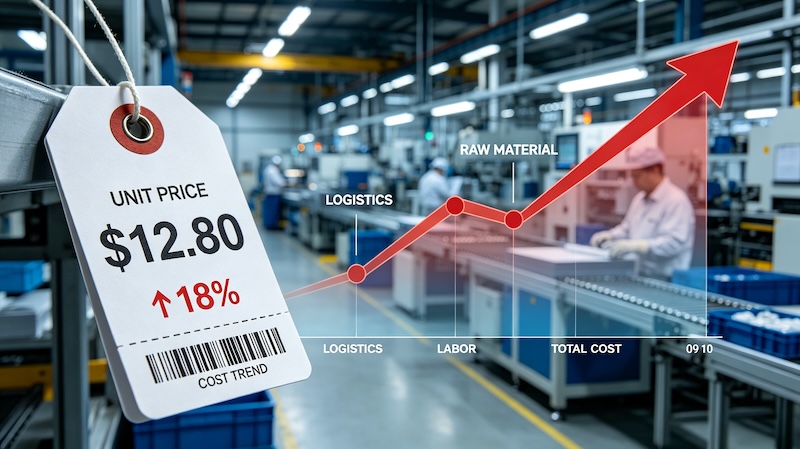
A common risk when suppliers are forced to maintain a price despite rising costs is the “quality fade.” They may quietly substitute cheaper materials to protect their margins.
If you successfully push back on the price increase, it is absolutely critical that you schedule a robust third-party Pre-Shipment Inspection (PSI). Inform the supplier early on that an independent inspector will be thoroughly checking the goods against the original specifications before the final balance is paid.
6. Always Have a Backup Supplier
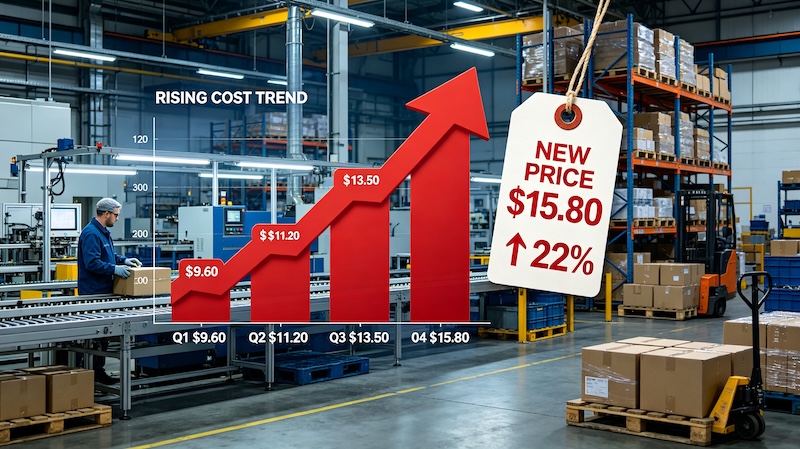
The ultimate leverage in any negotiation is the ability to walk away. If a supplier knows they are your only option, they hold the power.
Always be sourcing and vetting alternative manufacturers. If a Chinese supplier price increase becomes unreasonable or a recurring issue, having a backup supplier ready to step in ensures your supply chain remains uninterrupted.
Conclusion
A mid-order price increase is a challenging test of your supplier relationship and negotiation skills. By demanding transparency, relying on your agreements, negotiating strategically, and fiercely protecting your product quality, you can successfully manage these situations and protect your business’s profitability.