Over the past five years, SourcePilot Global has guided countless businesses through the complexities of international manufacturing. We’ve seen incredible successes and intercepted potential disasters. Through it all, we’ve gathered a wealth of China sourcing lessons experience.
Whether you are a startup placing your first order or an enterprise looking to optimize, here are the top 10 lessons we’ve learned about sourcing from China.
1. The Lowest Price is Often the Most Expensive
It’s tempting to choose the supplier offering the lowest quote. However, rock-bottom prices usually mean shortcuts in raw materials, poor working conditions, or non-existent quality control. The cost of replacing defective goods always exceeds the savings of a cheap quote.
2. “Yes” Doesn’t Always Mean “I Understand”
In Chinese business culture, saving face is crucial. A supplier might say “yes” to a request simply to avoid saying “no,” even if they don’t fully understand the requirement. Always ask them to explain your requirements back to you to ensure total alignment.
3. Detailed Tech Packs Are Non-Negotiable
Never assume a factory knows what you want. Your specifications, known as a Tech Pack, must be exhaustively detailed. Include tolerances, exact Pantone colors, material compositions, and CAD files. Ambiguity is the enemy of quality.
4. Quality Control Happens Before Shipping
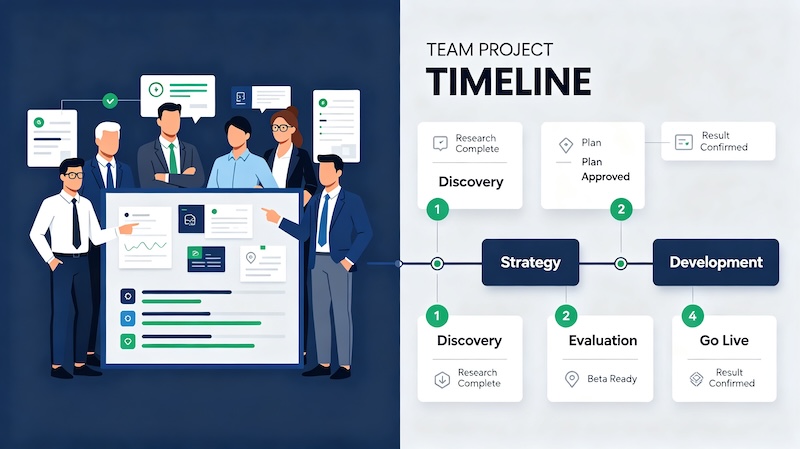
Finding out your products are defective after they arrive in your local warehouse is a nightmare. Pre-Shipment Inspections (PSI) by independent third-party agencies are mandatory.
5. Relationships (Guanxi) Still Matter
While modern China is highly digitized, Guanxi (relationships) remains a cornerstone of business. Treating your suppliers as long-term partners rather than disposable vendors leads to better pricing, prioritization during busy seasons, and more flexibility.
6. Trading Companies Have Their Place
Many buyers try to avoid trading companies to go “direct to factory.” However, good trading companies often have relationships with multiple specialized factories, can handle complex mixed-container shipments, and offer better English communication. Don’t write them off completely.
7. Intellectual Property (IP) Protection Starts Early

Never send your designs to a factory without an NNN (Non-Disclosure, Non-Use, Non-Circumvention) agreement drafted by a lawyer familiar with Chinese law. An NDA from your home country is largely useless in China.
8. Understand Incoterms Intimately
Knowing the difference between EXW, FOB, and DDP can save you thousands of dollars and legal headaches. Always be clear on where the supplier’s responsibility ends and yours begins regarding shipping and insurance.
9. Golden Samples Can Be Misleading

The perfect “golden sample” you receive during the vetting process is often made by the factory’s best engineers. The mass production run will be handled by regular assembly line workers. Always base your quality standards on a production sample, not just the initial prototype.
10. You Need a Local Partner
Time zone differences, language barriers, and cultural nuances make managing a supply chain from thousands of miles away incredibly difficult. Having a trusted partner on the ground like SourcePilot Global ensures your interests are protected 24/7.
Conclusion
Sourcing from China is highly rewarding but fraught with challenges. By learning from our China sourcing lessons experience, you can skip the growing pains and build a robust supply chain from day one.