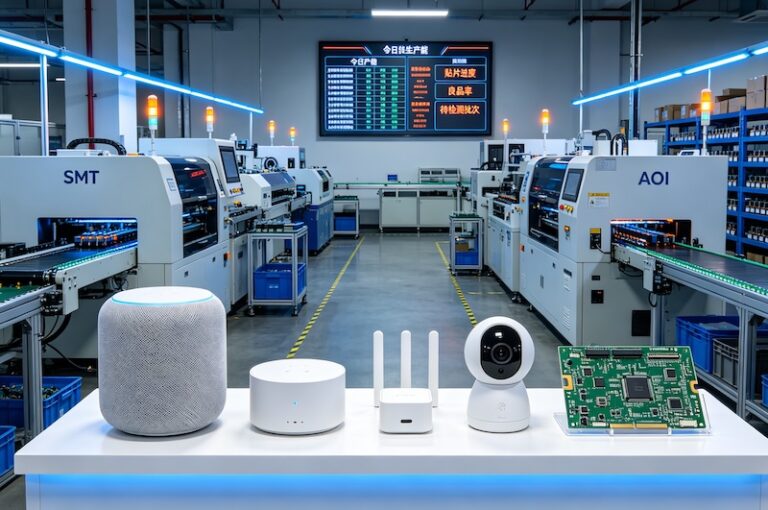
Importing Medical Supplies from China offers immense cost-saving opportunities and access to a vast manufacturing ecosystem. However, medical devices are highly regulated worldwide to ensure patient safety and product efficacy. For importers, navigating the complex regulatory landscapes—such as FDA requirements in the United States and CE marking in the European Union—is critical.
In this guide, we will break down the essential steps for successfully and legally importing medical devices from China.
Understanding Medical Device Classifications
Before importing any medical device, you must determine its risk classification. Both the FDA and the EU categorize medical devices based on the risk they pose to consumers.
* Class I (Low Risk): Products like bandages, examination gloves, and manual surgical instruments. These are subject to the least regulatory control.
* Class II (Moderate Risk): Devices such as powered wheelchairs, infusion pumps, and surgical drapes. These require more rigorous controls.
* Class III (High Risk): Life-sustaining devices like pacemakers and implantable prosthetics. These require premarket approval and strict clinical data.
Your device’s class will dictate the compliance roadmap you must follow.
Navigating FDA Regulations for the US Market
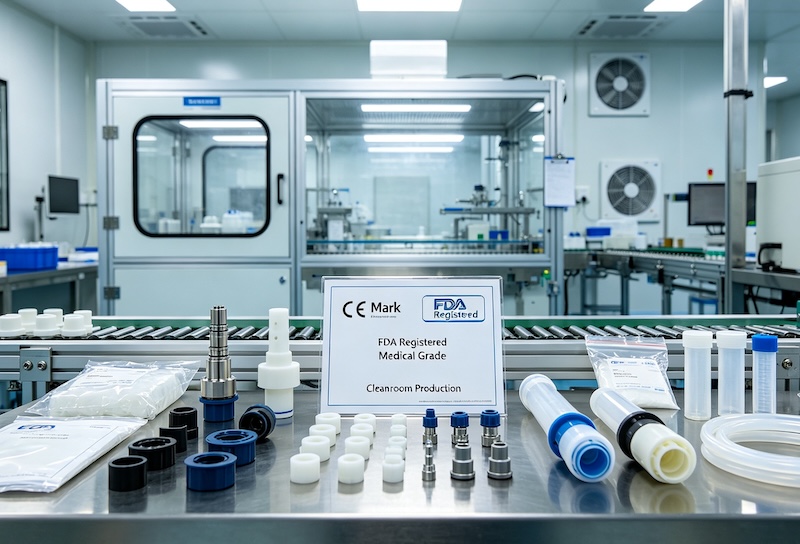
If you are importing Medical Supplies into the United States, you must comply with the Food and Drug Administration (FDA) regulations.
Establishment Registration and Medical Device Listing
Any facility involved in the production and distribution of medical devices intended for the US must register with the FDA. Your Chinese manufacturer must complete the Establishment Registration and list the devices they produce. Furthermore, non-US manufacturers must designate a US Agent to communicate with the FDA on their behalf.
510(k) Clearance
For most Class II devices, a 510(k) Premarket Notification is required. You must demonstrate that your device is “substantially equivalent” to a legally marketed device in the US. This process requires significant documentation and testing data from your supplier.
Meeting CE Marking Requirements for the EU Market

To import medical devices into the European Union, the products must bear the CE mark, indicating compliance with the Medical Device Regulation (MDR) 2017/745.
Medical Device Regulation (MDR)
The MDR places stringent requirements on clinical evaluations, quality management systems (such as ISO 13485), and post-market surveillance.
* Technical File: The manufacturer must compile a comprehensive technical file detailing the product’s design, intended use, and risk analysis.
* Notified Body: For anything above Class I, a Notified Body (an independent auditing organization designated by an EU country) must assess the technical file and Quality Management System before a CE mark can be affixed.
Vetting Medical Device Suppliers in China

Choosing the right supplier is the most critical step when sourcing Medical Supplies.
1. Verify Certifications: Ask for their ISO 13485 certification, FDA registration numbers, and CE certificates.
2. Audit the Factory: Never skip the audit phase. Ensure the factory operates in cleanroom environments suitable for medical manufacturing.
3. Check Previous Export Experience: A supplier who has successfully exported to the US or EU previously will understand the documentation requirements.
Frequently Asked Questions
Do I need an FDA registration to import face masks?
Yes. Depending on the type of mask (e.g., surgical masks vs. N95 respirators), you will need specific FDA clearances. General cloth face coverings for non-medical use are exempt, but any mask marketed for medical purposes must comply with FDA regulations.
What happens if I import medical devices without CE certification to the EU?
Customs authorities will seize the goods at the port of entry. The products may be destroyed, and you could face severe fines and legal action for attempting to introduce non-compliant medical products into the market.