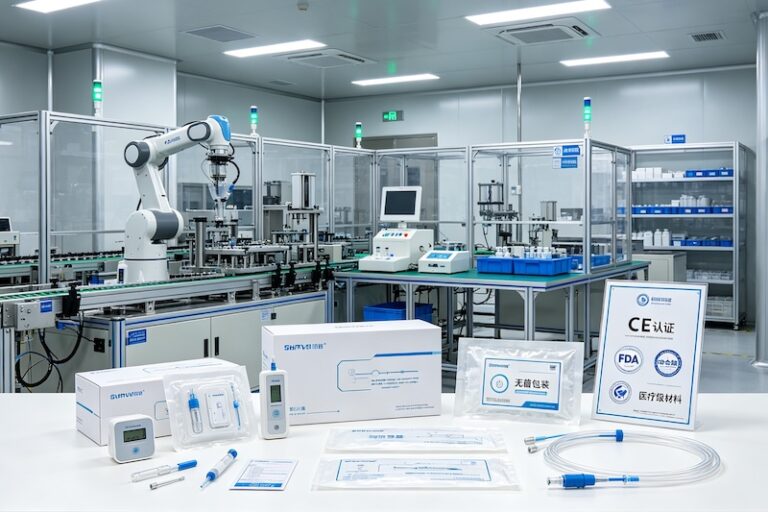
Shenzhen is universally recognized as the Silicon Valley of Hardware. For businesses looking to enter or expand in the rapidly growing smart home market, sourcing IoT (Internet of Things) devices from Shenzhen offers unparalleled advantages in speed, innovation, and cost. However, navigating this fast-paced ecosystem requires a strategic approach to ensure product quality, software security, and regulatory compliance. At SourcePilot Global, we specialize in bridging the gap between innovative brands and Shenzhen’s elite manufacturers.
Why Shenzhen is the Hub for Smart Home Devices
Shenzhen boasts a complete, highly integrated supply chain for electronics. Within a 50-mile radius, you can find industrial designers, PCB fabrication facilities, plastic injection molding plants, and assembly lines. This concentration allows for rapid prototyping and swift transitions from concept to mass production. Whether you are looking for smart plugs, security cameras, automated lighting, or voice-controlled hubs, Shenzhen is the ultimate sourcing destination.
Key Considerations for Sourcing IoT Devices
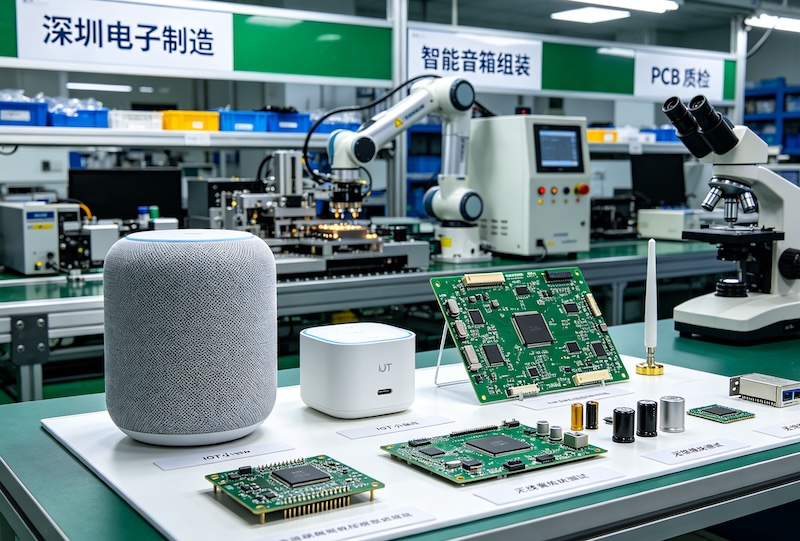
Sourcing smart home devices involves more than just hardware; it requires a deep understanding of software integration, connectivity, and user experience.
1. Connectivity Protocols and Ecosystem Integration
Your product must seamlessly integrate into the user’s existing smart home ecosystem. When selecting a supplier, clarify which connectivity protocols they support:
* Wi-Fi: Ideal for high-bandwidth devices like cameras, but consumes more power.
* Zigbee and Z-Wave: Excellent for low-power, mesh-networked devices like sensors and smart locks.
* Bluetooth Low Energy (BLE): Good for short-range communication and easy setup.
* Matter: The emerging unified standard. Suppliers capable of supporting Matter certification are highly desirable as they guarantee interoperability across Apple Home, Google Home, and Amazon Alexa.
2. Software and App Development
Hardware is only half the equation. The user experience is heavily dependent on the companion app. Decide whether you will:
* Use a white-label app provided by platforms like Tuya Smart (common and cost-effective).
* Develop a custom app (requires more investment but offers complete brand control).
Ensure the supplier has robust software engineering capabilities and provides regular firmware updates to patch security vulnerabilities.
3. Data Security and Privacy Compliance
IoT devices are prime targets for cyberattacks. It is critical to ensure that your devices comply with global data privacy regulations, such as GDPR in Europe and the CCPA in California.
* Verify that data is encrypted both in transit and at rest.
* Ensure cloud servers used by the devices (like AWS or local equivalents) meet strict security standards.
* Demand transparency regarding what data is collected and how it is stored.
Ensuring Quality and Compliance
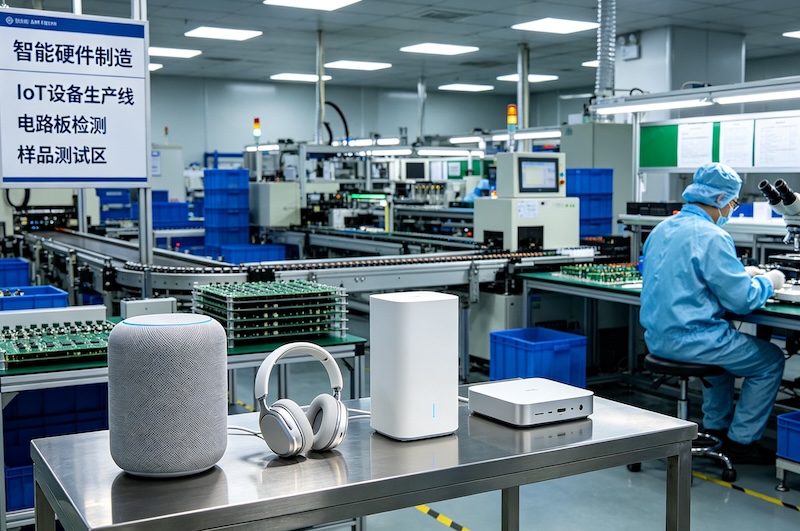
Electronics imported into Western markets must meet stringent regulatory standards to ensure consumer safety and prevent electromagnetic interference.
- Certifications: Ensure your supplier can provide authentic test reports for CE (Europe), FCC (USA), and RoHS (Restriction of Hazardous Substances).
- Quality Control: Implement rigorous testing protocols, including aging tests (running devices continuously to detect premature failures), drop tests, and functionality checks under different network conditions.
Leveraging SourcePilot Global’s Expertise
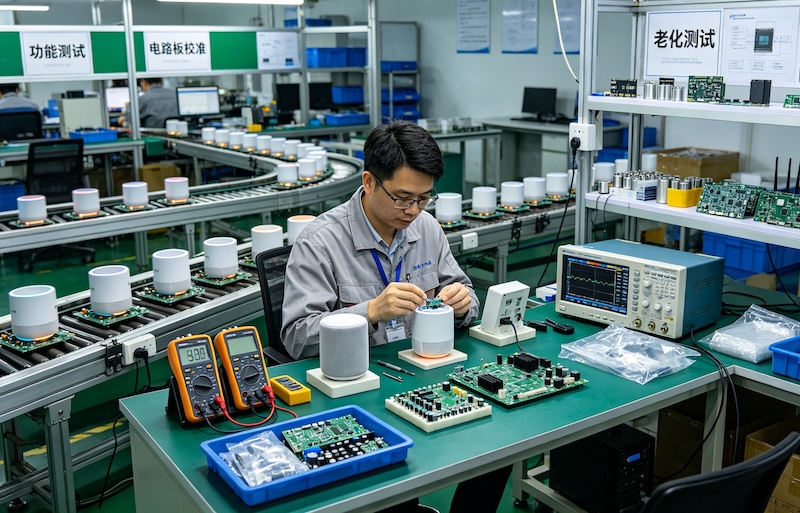
The dynamic nature of Shenzhen’s electronics market can be overwhelming. SourcePilot Global provides on-the-ground expertise to identify reliable manufacturers, negotiate intellectual property (IP) protection agreements (like NNN agreements), and oversee comprehensive quality control tailored for IoT products. We help you bring innovative, secure, and high-quality smart home devices to market efficiently.
Frequently Asked Questions
What is the advantage of using a platform like Tuya for smart home devices?
Platforms like Tuya offer a turnkey solution, providing ready-made cloud infrastructure and white-label apps. This significantly reduces development time and costs, allowing you to launch products faster while ensuring compatibility with major ecosystems like Alexa and Google Assistant.
How can I protect my intellectual property when sourcing in Shenzhen?
Protecting IP requires a multi-layered approach. Start by having suppliers sign an NNN (Non-Disclosure, Non-Use, Non-Circumvention) agreement drafted by a lawyer familiar with Chinese law. Additionally, consider splitting the manufacturing process (e.g., having different factories produce the casing and the PCBA) to prevent any single factory from easily copying the entire product.
Are there tariffs on importing smart home devices from China to the US?
Yes, many electronics and IoT devices imported from China into the United States are subject to Section 301 tariffs, which can significantly impact your landed costs. It is essential to verify the specific HTS (Harmonized Tariff Schedule) codes for your products to accurately calculate duties.