Sourcing products from China can be highly profitable, but it is not without risks. One of the biggest mistakes new importers make is trusting a supplier based solely on a slick Alibaba profile or a well-designed website. To protect your investment and avoid dealing with scammers or hidden middlemen, conducting thorough supplier background checks is absolutely essential.
The cornerstone of any background check in China is verifying the company’s business license (营业执照). This document reveals the truth about who you are actually dealing with. Here is a comprehensive guide on how to read, verify, and understand a Chinese business license.
Why You Need to Check the Business License
A business license is the fundamental legal document issued by the Chinese government (specifically the State Administration for Market Regulation, or SAMR) that allows a company to operate. Requesting and verifying it helps you:
- Confirm they are a real entity: Ensure you are not sending money to a phantom company.
- Identify Middlemen: Determine if you are dealing with a true manufacturer or a trading company marking up the prices.
- Check Legal Representatives: Know who is legally responsible for the company’s actions.
- Verify Registered Capital: Assess the financial scale and stability of the supplier.
How to Request the Business License
Simply ask your supplier contact: “Please send me a clear, color scan of your current Chinese Business License.”
A legitimate company will provide this without hesitation. If a supplier refuses, makes excuses, or provides a blurry, illegible image, consider it a massive red flag and walk away.
Key Information on a Chinese Business License
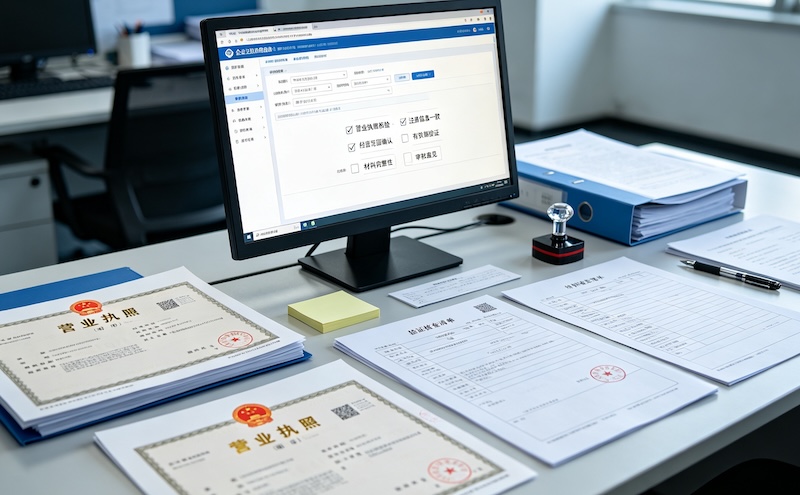
Once you have the document (which will be in Chinese), you will need to translate it. You can use tools like Google Translate’s image feature, but understanding the specific fields is crucial.
1. Unified Social Credit Code (统一社会信用代码)
This 18-digit alphanumeric code is the most critical piece of information. It is essentially the company’s ID number. You will use this code to look up the company on official government databases.
2. Company Name (名称)
Check if the official Chinese name matches the English name they use. Chinese companies do not have official English names on their domestic licenses; they choose an English name for export purposes. The city name is usually the first part of the Chinese company name (e.g., Shenzhen XYZ Technology Co., Ltd).
3. Company Type (类型)
This tells you the legal structure. Most standard suppliers will be a “Limited Liability Company” (有限责任公司).
4. Legal Representative (法定代表人)
This is the person who holds legal power over the company. When you eventually sign a contract, it should ideally be signed by this person or someone with an official authorization letter from them.
5. Registered Capital (注册资本)
This indicates the amount of capital the shareholders have committed to the company. While it doesn’t represent cash in the bank, a very low registered capital (e.g., 100,000 RMB) for a company claiming to be a massive factory is a warning sign that they might be a small trading agent.
6. Date of Establishment (成立日期)
How long have they been in business? A company established three months ago claiming ten years of manufacturing experience is lying.
7. Business Scope (经营范围)
This is vital for identifying trading companies versus factories.
* If the scope only lists “wholesale,” “retail,” or “sales” (销售), they are a trading company.
* If the scope explicitly includes “manufacture,” “production,” or “processing” (生产, 制造, 加工), they are legally permitted to manufacture goods.
How to Verify the License Online
Do not just trust the paper they send you—Photoshop is easy to use. You must verify the information against the official Chinese government database.
- Go to the National Enterprise Credit Information Publicity System (NECIPS) website.
- Enter the 18-digit Unified Social Credit Code or the exact Chinese company name.
- Solve the captcha (this can sometimes be tricky as it is in Chinese).
- Compare the online record with the license they provided. Ensure the status shows as “Existing” or “In Operation” (存续/在营).
Frequently Asked Questions
Can I do supplier background checks myself, or should I hire a company?
You can do basic business license verification yourself using the NECIPS database and translation tools. However, for large orders, hiring a third-party sourcing agent or verification service in China is highly recommended for deeper financial and on-site checks.
What if the English name on Alibaba doesn’t match the Business License?
This is common. Chinese companies pick their own English names for marketing. Ask the supplier for their official “Foreign Trade Operator Record” document, which links their Chinese name to their registered English export name.
Does a ‘Manufacturer’ business scope guarantee they make the product I want?
No. A company might be legally licensed to manufacture packaging but act as a trading company for electronics. Always cross-reference the business scope with an actual factory audit to confirm they produce your specific goods.