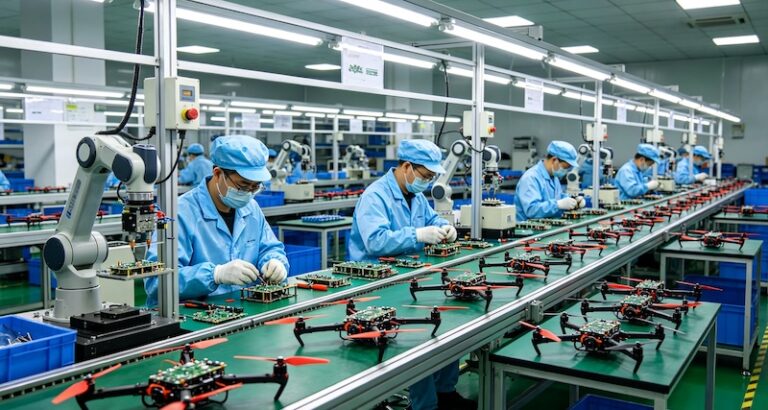
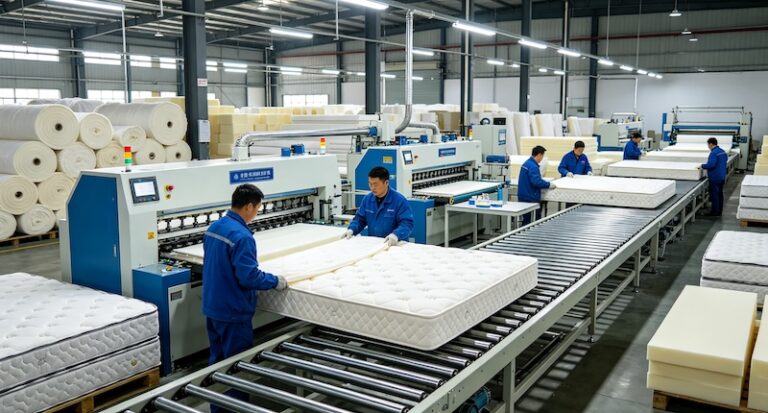
The global demand for E-Bikes & Scooters has skyrocketed in recent years. As an importer, China is naturally the premier destination for sourcing these micromobility solutions. However, importing e-bikes isn’t as simple as importing standard consumer goods. You are dealing with high-capacity lithium-ion batteries, strict safety certifications, and complex shipping logistics.
This guide will walk you through the most crucial aspects of sourcing e-bikes from China, ensuring safety, compliance, and a smooth supply chain.
The Importance of Battery Safety
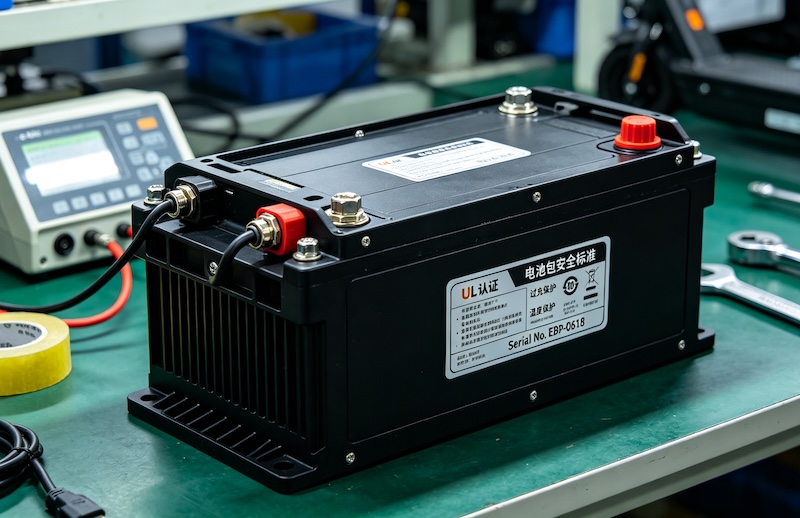
The heart of any e-bike or electric scooter is its lithium-ion battery. Poor-quality batteries are notorious for causing fires and explosions, leading to massive recalls and catastrophic property damage.
When sourcing E-Bikes & Scooters, you cannot compromise on battery quality. You should prioritize suppliers who use reputable battery cells (such as LG, Samsung, or Panasonic) rather than unbranded cells. Ask for detailed technical specifications and Battery Management System (BMS) details, which protect the battery from overcharging, overheating, and short-circuiting.
Navigating UL Certifications (UL 2849 and UL 2272)
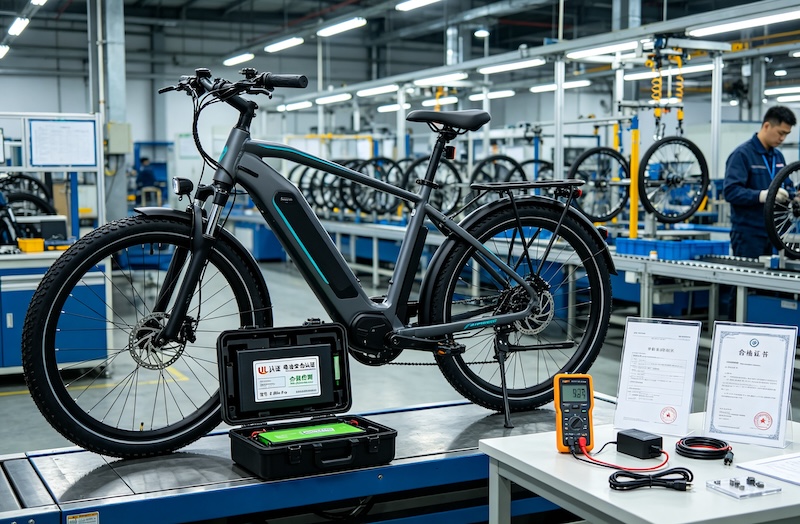
In the United States, UL (Underwriters Laboratories) certification has rapidly transitioned from a “nice-to-have” to an absolute legal requirement in many jurisdictions.
- UL 2849: This is the standard for the electrical systems in e-bikes. It evaluates the safety of the electrical drive train, the battery system, and the charger system combination.
- UL 2272: This standard applies to the electrical systems of personal e-mobility devices, including electric scooters and hoverboards.
Recently, cities like New York have passed laws banning the sale of any e-bike or scooter that is not UL certified. Major retailers and e-commerce platforms like Amazon are also requiring proof of UL certification. When vetting a Chinese supplier, demand to see valid, verifiable UL certificates for the exact models you intend to purchase.
Finding Reliable E-Bike Manufacturers in China
Shenzhen and Zhejiang provinces are the major hubs for e-bike manufacturing in China. To separate the reliable manufacturers from trading companies:
1. Request a Factory Audit: Verify their production capabilities, assembly lines, and testing equipment.
2. Test Samples Thoroughly: Never place a bulk order without rigorously testing a sample in your home market.
3. Check Export History: Ensure they have a proven track record of exporting to your specific market and complying with its regulations.
Shipping E-Bikes and High-Capacity Batteries
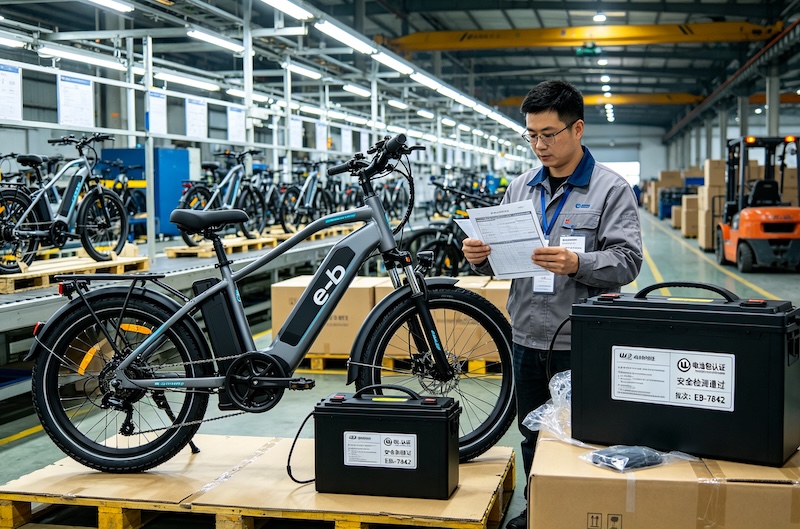
Shipping E-Bikes & Scooters presents unique logistical challenges because lithium-ion batteries are classified as Dangerous Goods (Class 9 Hazardous Materials) by international shipping organizations.
* UN38.3 Testing: Before any lithium battery can be shipped by sea or air, it must pass UN38.3 testing to prove it can withstand the rigors of transportation (vibration, shock, altitude, temperature changes).
* MSDS (Material Safety Data Sheet): Your supplier must provide a valid MSDS for the battery.
* Freight Forwarder Selection: Ensure you work with a freight forwarder experienced in handling Dangerous Goods. Incorrect labeling or documentation can lead to severe delays and fines at customs.
Frequently Asked Questions
Is UL certification mandatory for selling e-bikes in the US?
While not a federal law yet, many local jurisdictions (like New York City) mandate UL 2849 or UL 2272 for the sale of e-bikes and scooters. Additionally, most major liability insurance providers and retail platforms now require these certifications.
How much does it cost to ship an e-bike from China?
Shipping costs vary widely based on volume, destination, and current freight rates. Due to their size, weight, and Dangerous Goods classification, ocean freight (LCL or FCL) is typically the most cost-effective method. Air freight is prohibitively expensive for e-bikes due to battery shipping restrictions.