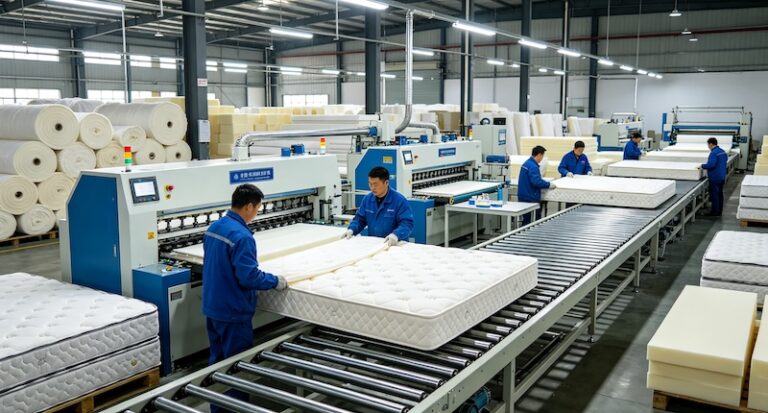
The global demand for outdoor living spaces has surged, making outdoor furniture a highly lucrative category for importers. China, particularly regions like Guangdong and Zhejiang, is a powerhouse in manufacturing rattan and outdoor furniture, offering a vast array of designs and competitive pricing.
However, outdoor furniture faces harsh environmental conditions—sun, rain, and temperature fluctuations. Sourcing sub-standard products can lead to rapid deterioration, customer complaints, and severe damage to your brand. To succeed, you need a rigorous approach to quality control.
This comprehensive quality checklist will guide you through sourcing durable and beautiful rattan and outdoor furniture from China.
Understanding the Materials: The Foundation of Quality
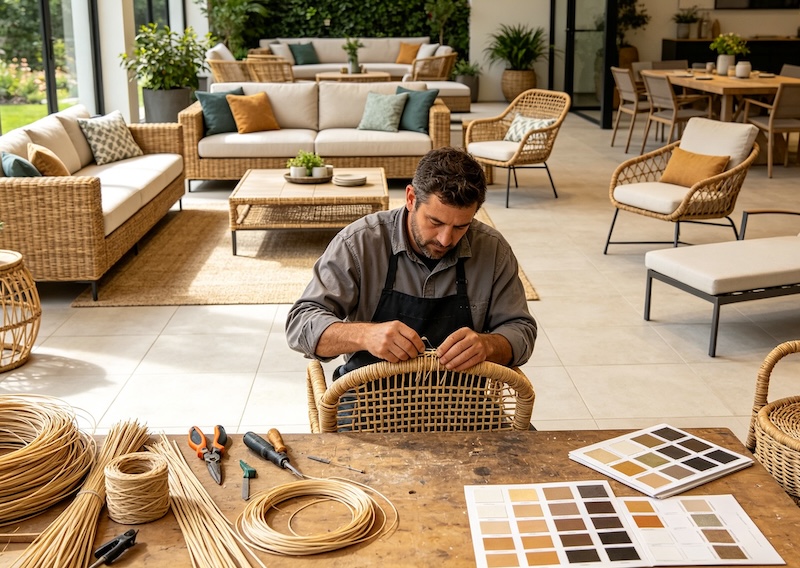
The longevity of outdoor furniture depends entirely on the materials used.
1. Synthetic Rattan (PE Wicker)
Natural rattan is beautiful but unsuited for continuous outdoor exposure. High-quality outdoor “rattan” is actually synthetic Polyethylene (PE) wicker.
- PE vs. PVC/PU: Insist on High-Density Polyethylene (HDPE) rattan. Avoid PVC or PU wicker, which becomes brittle, cracks, and fades quickly under UV exposure.
- UV Resistance: Request UV test reports (e.g., SGS testing for 3000+ hours). Good PE rattan should resist fading and degradation from sunlight.
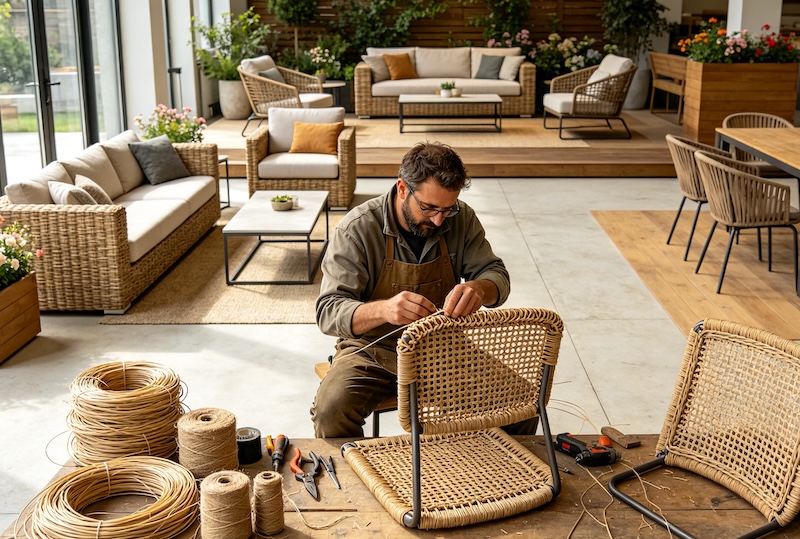
- Weave Quality: Inspect the weaving. It should be tight, uniform, and neatly finished at the ends to prevent unraveling.
2. The Frame: Strength and Rust Resistance
The frame provides structural integrity.
- Aluminum vs. Steel: Aluminum is the gold standard for outdoor furniture frames because it does not rust. Steel is cheaper but will eventually rust, even with a powder coating, especially in coastal areas.
- Tube Thickness: For commercial or high-quality residential use, aluminum tube thickness should be at least 1.2mm to 1.5mm. Thinner tubes (0.8mm) are prone to bending.
- Welding: Check the joints. Full-circumference welds are significantly stronger than spot welds. Welds should be ground smooth before powder coating.
3. Powder Coating: The Protective Finish
A high-quality powder coating protects the metal frame from corrosion and scratching.
- Pre-treatment: Ensure the factory uses proper chemical pre-treatment (cleaning and etching) before applying the powder coat, ensuring strong adhesion.
- Thickness and Finish: The coating should be even, thick enough to resist chipping, and free of drips or bare spots.
4. Outdoor Cushions and Fabrics
Cushions are often the first component to fail if not properly specified.
- Fabric Type: Solution-dyed acrylic (like Sunbrella) is top-tier for UV resistance and durability. High-grade spun polyester is a more budget-friendly but less durable alternative.
- Water Resistance: Fabrics should have a durable water repellent (DWR) finish.
- Foam: Quick-dry foam (reticulated foam) is ideal for outdoor use as it allows water to drain rapidly, preventing mold and mildew. Standard polyurethane foam will act like a sponge.
Factory Verification and Quality Control
Don’t rely solely on supplier claims; verify everything.
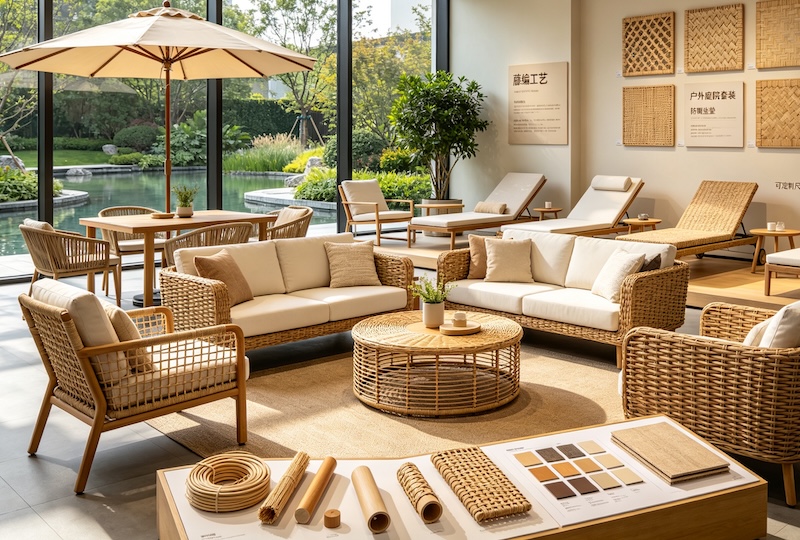
- Request Material Samples: Ask for samples of the PE rattan, fabric, and a cross-section of the aluminum frame before mass production.
- Third-Party Inspections: Always use a third-party inspection agency (like SGS, TUV, or a specialized QC firm in China) to conduct Pre-Shipment Inspections (PSI).
- Assembly Testing: Ensure the inspector actually assembles a sample of the furniture to check for misaligned holes, missing hardware, and overall stability.
Frequently Asked Questions
Is it safe to buy cheap outdoor furniture from Alibaba?
While you can find low prices, extremely cheap outdoor furniture often utilizes inferior materials like thin steel frames (which rust) and PVC wicker (which cracks). These products will not last outdoors. Always balance price with verified material specifications to ensure long-term value.
How can I verify the UV resistance of PE rattan?
You should request official test reports from the manufacturer, preferably from a recognized third-party laboratory like SGS. Look for tests that subject the material to accelerated UV exposure (e.g., 2000 or 3000 hours) to confirm colorfastness and tensile strength retention.
Should I choose knocked-down (KD) or fully assembled furniture?
Fully assembled furniture is generally stronger as the joints are welded in the factory. However, it takes up significantly more shipping volume, drastically increasing freight costs. Knocked-down (KD) furniture requires assembly by the end-user but allows you to pack many more units into a shipping container, lowering the landed cost per item.