A buyer who contacts a Chinese factory and asks “what’s your best price?” will receive a price. It will be the factory’s standard export price for an unknown buyer — usually 15–25% above the price the same factory quotes to a buyer who demonstrates order commitment, industry knowledge, and a plausible reorder path.
لا يكون الفرق عادةً كبيرًا من الناحية المطلقة، لكنه يتراكم بمرور الوقت. فعند قيمة طلبات تبلغ 40,000 دولار سنويًّا، فإن تحسنًا بنسبة 15% في التفاوض يعادل 6,000 دولار. وعلى مدى ثلاث سنوات، مع تكرار الطلبات، يصبح هذا الفرق ملموسًا.
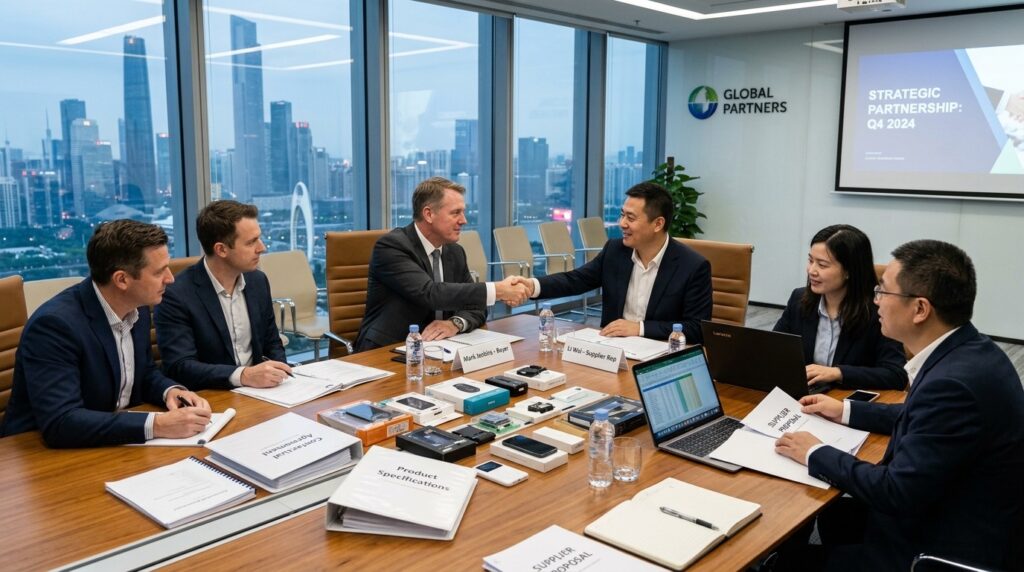
التفاوض الفعال مع الموردين الصينيين لا يعني المساومة العدوانية. بل هو تواصل منظم يبرهن على أنك مشترٍ جاد، ويهيئ الظروف اللازمة للتنازلات المتبادلة، ويبني علاقة يرغب المصنع في الحفاظ عليها. يتناول هذا الدليل كيفية القيام بذلك فيما يتعلق بالسعر، والحد الأدنى لكمية الطلب (MOQ)، وشروط الدفع، ومدة التسليم.
عقلية التفاوض: ما الذي ينجح فعليًّا في الصين
قبل الخطة التكتيكية، الإطار العام:
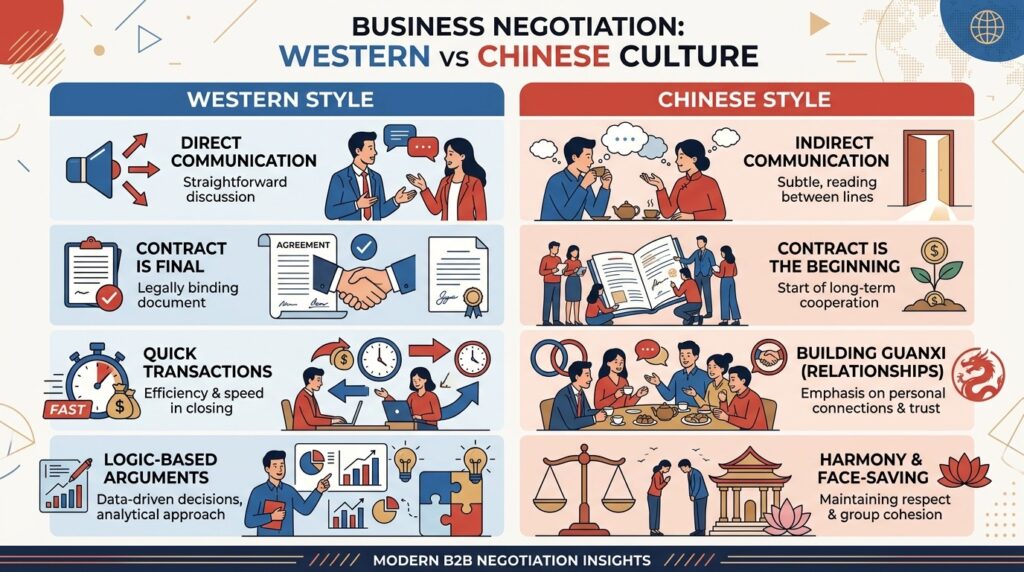
تولي المصانع الأولوية للعلاقات طويلة الأمد. Chinese manufacturing culture places high value on stable, repeating business relationships (关系, guānxi). A buyer who demonstrates credibility, consistent reorders, and professional conduct gets progressively better terms over time. Aggressive one-time price extraction that damages the relationship is a short-term win with long-term costs.
التفاوض على السعر أمر متوقع، وليس وقاحة. يُعد تحديد السعر وتوقع تقديم المشتري لعرض مقابل ممارسة معتادة. أما عدم التفاوض على الإطلاق فيشير إلى أنك لا تعرف السوق، مما يقلل من ثقة المصنع في أنك مستورد جاد.
القوة تنبع من الخيارات المتاحة، لا من الضغط. The most effective negotiation position is “we have other suppliers we’re evaluating” — and meaning it. Factories don’t respond well to aggressive pressure or ultimatums, but they respond strongly to the risk of losing a buyer to a competitor. Genuine competitive evaluation creates real leverage.
التخصيص يضفي مصداقية. المشتري الذي يقول: «أحتاج إلى 500 وحدة، من هذه المادة بالتحديد، مع هذه الشهادة، على أن يتم شحنها بحلول هذا التاريخ» يُؤخذ على محمل الجد أكثر من الذي يقول: «أنا مهتم بشراء بعض من هذه المنتجات». تُشير التفاصيل التشغيلية إلى أنك تعرف ما تفعله وأن طلبك حقيقي.
التفاوض على السعر
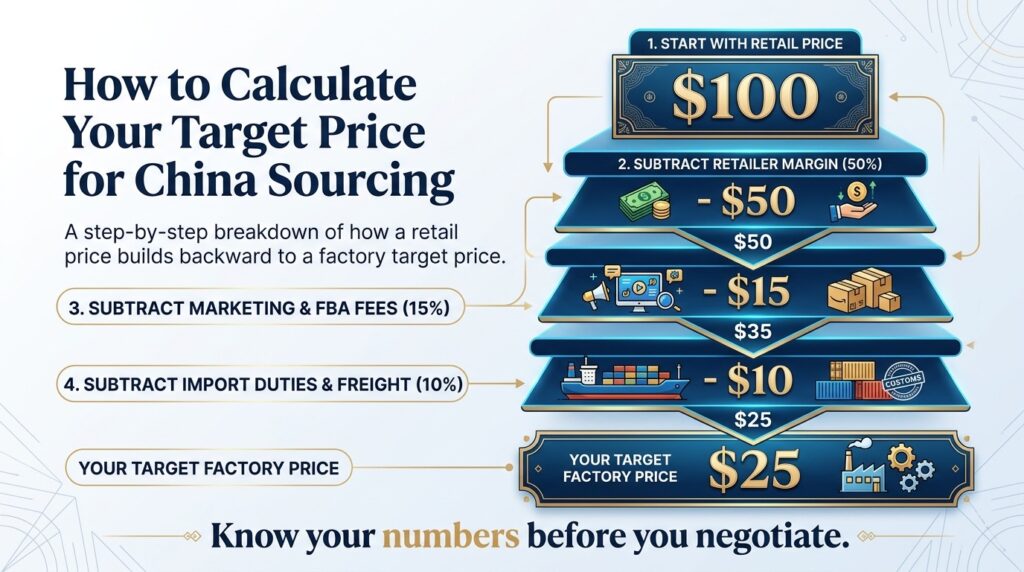
حدد سعرًا مستهدفًا قبل بدء أي محادثة
قبل الاتصال بالموردين، ابحث عن السعر السائد في السوق لمنتجك. استخدم:
— قوائم منتجات «علي بابا» للمنتجات المماثلة (قم بالتصفية حسب الحد الأدنى للطلب الذي يشبه طلبك)
— قوائم موقع 1688.com (عبر الوكيل أو مترجم جوجل) كمرجع لأسعار السوق المحلية
– عروض أسعار متعددة من الموردين بناءً على نفس المواصفات
Your target price should be below the average of competitive quotes by 10–15%. This gives you a realistic negotiating range — asking for 40% discounts produces friction without results; asking for 12% off with a credible order commitment produces movement.
تسلسل التفاوض الفعال على الأسعار
Step 1 — Get multiple quotes on identical specifications.
Send the same detailed specification to 3–5 candidate suppliers simultaneously. When you respond to each one, you can honestly say “we’re evaluating multiple suppliers on this specification.”
Step 2 — Counter-offer with a specific number, not a percentage request.
لا تقل: «هل يمكنك تقديم عرض أفضل؟» بل قل: «نستهدف سعر 4.20 دولار أمريكي للوحدة شحن من شينزين (FOB) لكمية 1,000 قطعة. وتقع عروض الأسعار الأخرى التي نتلقاها في حدود هذا المستوى. هل يمكنك مطابقة هذا السعر؟" فالرقم المحدد يثبت أساس المفاوضات ويمنح المصنع قرارًا واضحًا لاتخاذه.
Step 3 — Justify your target with volume or relationship.
“We place orders every 6–8 weeks. If the first order goes well, we expect to reorder at 2–3x this quantity within 90 days.” This gives the factory a reason to offer you a better price — not as a concession, but as an investment in a future relationship.
Step 4 — Offer something in exchange for price concessions.
The most effective negotiation exchanges are: accept a slightly longer lead time → get a better price; increase quantity by 20% → get a better per-unit price; simplify packaging → reduce cost; accept payment of 50% vs. 30% upfront → get a small price improvement.
Step 5 — Accept gracefully or walk away cleanly.
If the factory’s best price is still above your target, either accept (if the supplier is otherwise strong) or disengage professionally: “Thank you — we’ll proceed with a different supplier for this round, but we’d like to work with you on future products.” This leaves the door open and is often followed by a revised offer within 48 hours.
التفاوض بشأن الحد الأدنى لكمية الطلب
Minimum order quantities frustrate most new importers. Factory MOQs reflect production economics — setup costs, material procurement minimums, and scheduling efficiency. They’re not arbitrary.
متى تنجح المفاوضات بشأن الحد الأدنى للطلب
أنت تلتزم بزيادة الكمية الإجمالية بمرور الوقت. "طلبنا الأول يبلغ 300 وحدة، لكننا سنقوم بإعادة الطلب بكمية 1,000 وحدة في غضون 60 يومًا إذا كان أداء المنتج جيدًا." وقد تقبل بعض المصانع الطلبات الأولى التي تقل عن الحد الأدنى للطلب (MOQ) بشرط وجود التزام كتابي بإعادة الطلب.
أنت تقبل دفع سعر أعلى مقابل الكميات الصغيرة. Factories have a per-unit economics floor. If you accept $0.80–1.50/unit above their standard pricing to cover the fixed cost of a smaller run, many will agree to lower MOQs.
يمكنك دمجها مع منتجات أخرى. “We’re ordering 300 units of Product A and 200 units of Product B — can we run both together to meet the MOQ?” Factories that make multiple product types often calculate MOQ on total production value, not per-SKU unit count.
يمكنك اختيار اللون أو اللمسة النهائية حسب رغبتك. إذا كان المصنع يعمل بالفعل على طلب آخر بلون معين، فإن إضافة طلبك إلى تلك الدفعة يقلل بشكل كبير من الحد الأدنى للطلب (MOQ). اسأل: «ما هي الألوان التي يتم إنتاجها حاليًا؟ يمكننا التحلي بالمرونة فيما يتعلق باللون إذا كان ذلك سيساعدنا في العمل بحد أدنى للطلب أقل».
عندما يكون الحد الأدنى للطلب محددًا
Some factory MOQs are genuinely fixed — tooling minimums, material batch sizes, or contractual obligations with their own suppliers. When you hit a real floor, your options are: accept the MOQ, find a trading company that aggregates smaller orders, or switch to a different factory with lower MOQs (often at higher per-unit cost).
التفاوض بشأن شروط الدفع
غالبًا ما تكون شروط الدفع قابلة للتفاوض أكثر من السعر، وغالبًا ما يكون تأثير هيكل الدفع على المخاطر أكبر من فرق سعري بنسبة 5٪.
الوضعية الأساسية: Request 30% deposit / 70% against bill of lading. Most legitimate factories accept this — 30% covers raw material costs. If a factory demands 50%+ upfront from a new buyer, that’s negotiable.
استفد من الرافعة المالية للحصول على شروط أفضل:
– Reference your payment history with other factories: “We’ve worked with [X] factories on 30/70 terms without issues — this is our standard.”
— اعرض سعرًا أعلى قليلاً مقابل شروط دفع أفضل: «يمكننا دفع 0.10 دولار إضافي للوحدة، لكننا نحتاج إلى تقسيم الحصص بنسبة 30/70 بعد الفحص».
– Offer faster payment on the balance: “We’ll wire the 70% within 24 hours of receiving the B/L — would that work for 30/70 terms?”
الأمور التي لا ينبغي التفاوض بشأنها: Never reduce deposit below 20–25% — factories need working capital for materials. A factory that accepts 0% deposit has either already produced the goods (not your custom order) or has cash flow concerns that should worry you.
التفاوض بشأن المهلة الزمنية
غالبًا ما تكون مدة التسليم مقيدة بجدول الإنتاج الفعلي، لكن هناك مجالًا للتفاوض:
احجز مبكرًا: Factories plan production schedules in advance. Buyers who confirm orders 4–6 weeks earlier than needed often get better scheduling priority and sometimes lower prices (predictable production is cheaper to operate than rush production).
كن واضحًا بشأن الموعد النهائي: "نحتاج إلى شحن البضائع بحلول [التاريخ] لتصل في الوقت المناسب لـ [الحدث/الموسم]". غالبًا ما تبذل المصانع التي تعرف سبب تحديد الموعد النهائي جهدًا أكبر للالتزام به مقارنةً بتلك التي تتلقى طلبًا عامًّا.
اسأل عما يؤدي إلى تأخير الجدول الزمني: “What’s your current production queue? Is there anything we can do on our end to help you start earlier?” Sometimes the delay is specification finalization — your faster approval of samples can pull the timeline forward.
قبول مهلة تسليم أطول مقابل سعر أفضل: “If you need an extra 10 days, we can be flexible — would that allow you to offer a better unit price?” This frequently works and produces mutual benefit.
الاعتبارات الثقافية المهمة
حافظ على ماء الوجه في كلا الاتجاهين. Aggressive public criticism of a supplier’s quality or price — especially in group communications — damages the relationship. Address problems privately and frame them as collaborative problem-solving rather than accusations.
العلاقة قبل الصفقة. A brief video call before the first order, following up after samples arrive, expressing genuine interest in how their production is going — these small investments in the human relationship compound into better terms and better service over time.
التحلي بالصبر فيما يتعلق بالجداول الزمنية. Chinese New Year (January/February), Golden Week (October), and other public holidays create factory downtime that buyers often don’t account for. Factor these into production scheduling and don’t use them as negotiation leverage — they’re structural, not factory-specific delays.
تأكيد كتابي للاتفاقات الشفوية. احرص دائمًا على متابعة أي مفاوضات هاتفية أو عبر الفيديو بتقديم ملخص مكتوب لما تم الاتفاق عليه. «بناءً على مكالمتنا اليوم، اتفقنا على: 500 وحدة بسعر 4.20 دولار أمريكي شحن من شينزين (FOB)، ودفع بنسبة 30/70، والشحن بحلول 15 أكتوبر». وهذا يوفر سجلاً مكتوبًا للمحادثات، كما يسلط الضوء على أي سوء فهم قبل أن يتحول إلى نزاع.
مقالات ذات صلة → شروط الدفع مع الموردين الصينيين: التحويل المصرفي (T/T)، خطاب الاعتماد (L/C)، وبرنامج «ضمان التجارة»
مقالات ذات صلة → كيفية كتابة أمر شراء للموردين الصينيين
هل تحتاج إلى دعم من خبير في التفاوض مع مورد معين؟ يقوم فريق التوريد لدينا بالتفاوض نيابة عن العملاء في جميع فئات المنتجات.