تُعد الصمامات والتجهيزات مكونات ذات أهمية حاسمة للسلامة في أي نظام مضغوط، مما يجعل التحقق من تصنيف الضغط وإمكانية تتبع المواد أهم أمرين يجب التأكد من صحتهما عند الشراء من الصين.
فهم تصنيفات فئات الضغط
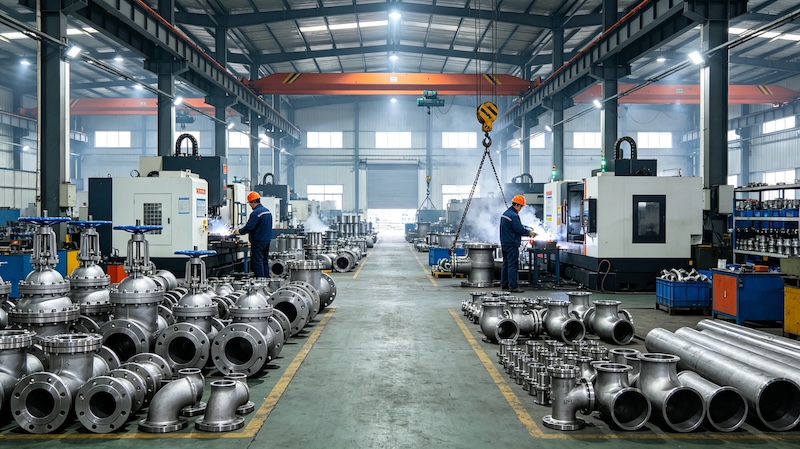
ANSI/ASME pressure classes (150, 300, 600, and higher) indicate the maximum pressure a valve or fitting can handle at a given temperature — the relationship between pressure and temperature isn’t linear, so always check the full pressure-temperature rating chart for your specific application rather than the class number alone.
شهادة المواد وإمكانية تتبعها
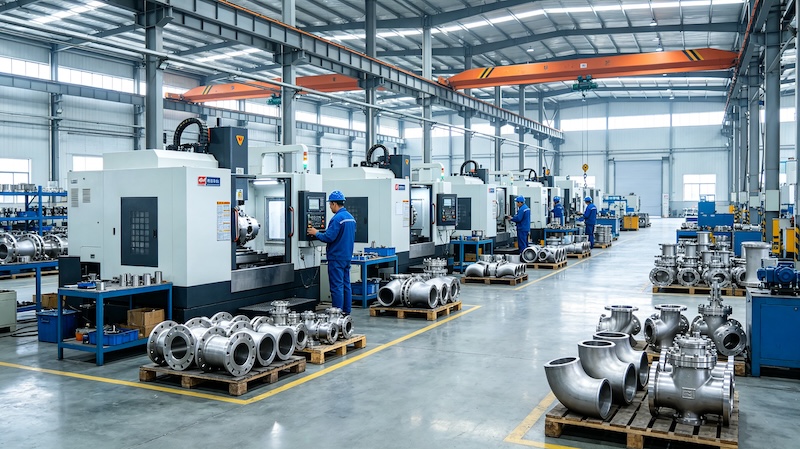
Request full material traceability documentation (mill certificates, heat numbers) for valve bodies, especially for stainless steel or alloy components used in corrosive or high-temperature service. This traceability matters enormously if a failure investigation ever becomes necessary — untraceable material is a real liability exposure.
المعايير التي يجب الاستفسار عنها
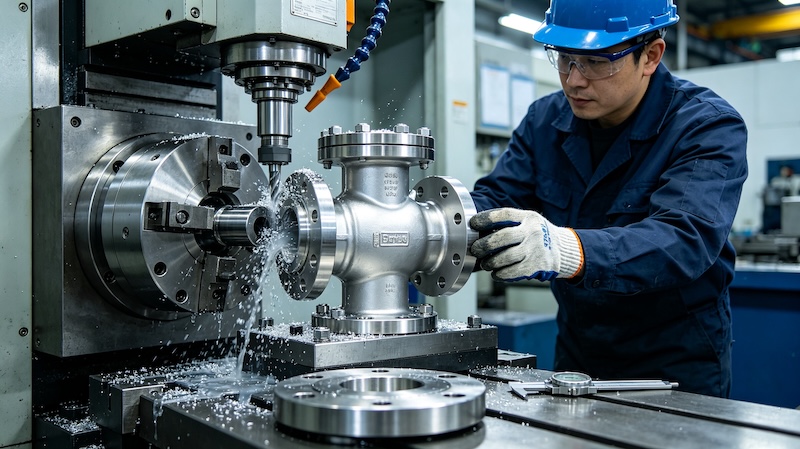
تعد API 6D وAPI 600 معايير شائعة للصمامات الصناعية حسب الاستخدام؛ بينما تغطي ASME B16.34 تصنيفات الضغط والحرارة للصمامات بشكل عام. تأكد من المعيار المحدد الذي يتطلبه تطبيقك قبل الشراء، حيث إن قيام المصنع بتقديم عرض سعر لصمام عام من فئة «الدرجة الصناعية» دون الإشارة إلى معيار محدد يُعد علامة تحذيرية بالنسبة للتطبيقات الحرجة.
الأسئلة الشائعة
هل يعني ارتفاع رقم فئة الضغط دائمًا أن الصمام أقوى؟
Generally yes for a given material, but pressure rating also depends on temperature — always check the full pressure-temperature chart, not just the class number.
لماذا تُعدّ إمكانية تتبع المواد أمرًا مهمًّا بالنسبة للصمامات؟
فهي تتيح لك التحقق من التركيب الفعلي للمواد المستخدمة، والتتبع حتى دفعة الإنتاج المحددة في حالة حدوث عطل أو مشكلة تتعلق بالجودة، وهو أمر بالغ الأهمية بالنسبة للتطبيقات المتعلقة بالسلامة.
ما الفرق بين معياري الصمامات API 6D وAPI 600؟
API 6D covers pipeline valves broadly across the oil and gas industry, while API 600 specifically covers steel gate valves for refinery use — confirm which applies to your specific application with an engineering reference.