バルブや継手は、あらゆる加圧システムにおいて安全上極めて重要な部品であるため、中国から調達する際には、耐圧定格の確認と材料のトレーサビリティの確保が、最も重要視すべき2つのポイントとなる。
圧力クラスの分類について
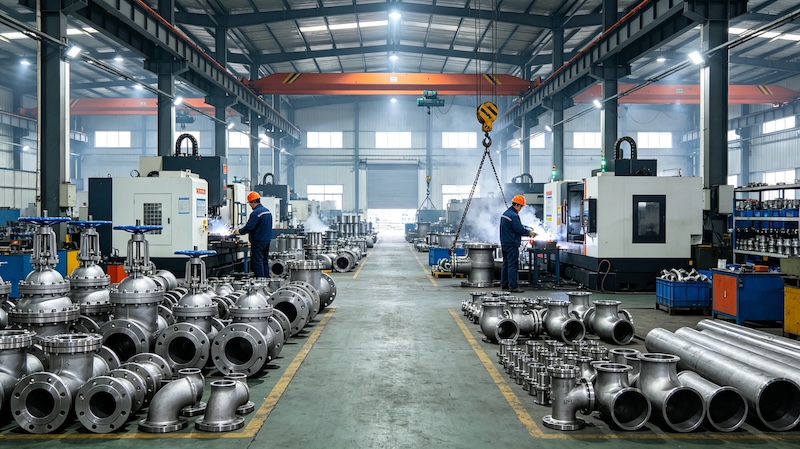
ANSI/ASME pressure classes (150, 300, 600, and higher) indicate the maximum pressure a valve or fitting can handle at a given temperature — the relationship between pressure and temperature isn’t linear, so always check the full pressure-temperature rating chart for your specific application rather than the class number alone.
材料の認証とトレーサビリティ
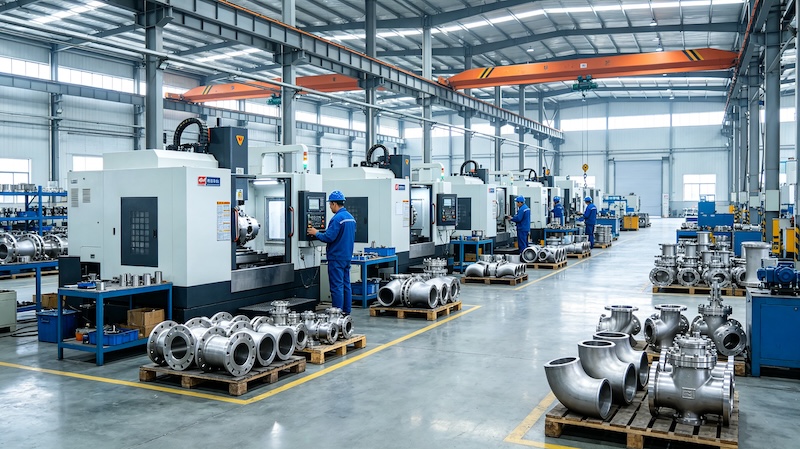
Request full material traceability documentation (mill certificates, heat numbers) for valve bodies, especially for stainless steel or alloy components used in corrosive or high-temperature service. This traceability matters enormously if a failure investigation ever becomes necessary — untraceable material is a real liability exposure.
確認すべき基準
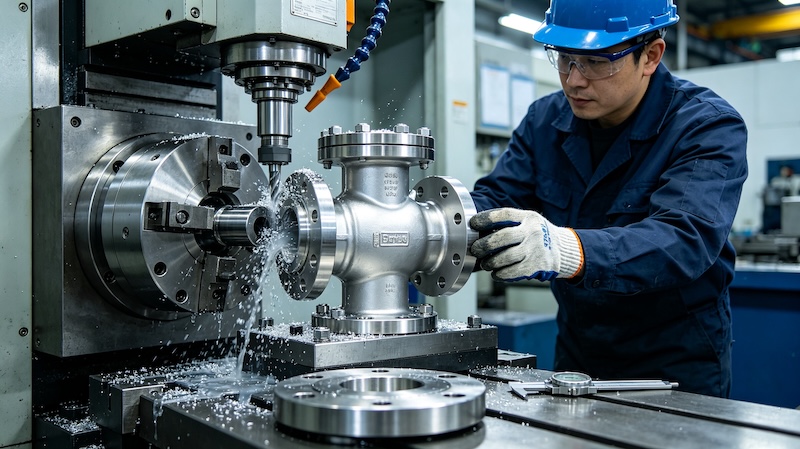
API 6D および API 600 は、用途に応じて産業用バルブに広く適用される規格です。一方、ASME B16.34 は、バルブの圧力・温度定格について幅広く規定しています。特定の規格を明記せずに「産業用グレード」という一般的な表現でバルブを提示するメーカーは、重要な用途においては警戒すべきサインとなるため、調達前に、ご自身の用途にどの規格が求められるかを確認してください。
よくある質問
圧力クラス番号が高いほど、必ずしもバルブの強度が高いと言えるのでしょうか?
Generally yes for a given material, but pressure rating also depends on temperature — always check the full pressure-temperature chart, not just the class number.
バルブにおいて、材料のトレーサビリティはなぜ重要なのでしょうか?
これにより、実際に使用された材料組成を確認できるほか、不具合や品質上の問題が発生した場合には特定の製造ロットまで遡って追跡することが可能であり、これは安全に関わる用途において極めて重要です。
API 6DとAPI 600のバルブ規格にはどのような違いがありますか?
API 6D covers pipeline valves broadly across the oil and gas industry, while API 600 specifically covers steel gate valves for refinery use — confirm which applies to your specific application with an engineering reference.