The global pet industry is booming, and for e-commerce sellers and retailers, looking to source pet products from China is a highly profitable strategy. From interactive toys to grooming tools and feeding accessories, Chinese manufacturers offer an incredible variety at competitive prices.
However, pet owners treat their animals like family members and are increasingly vigilant about product safety. Selling a toxic or dangerous pet product can lead to disastrous recalls, lawsuits, and the permanent destruction of your brand’s reputation.
If you plan to source pet products from China, navigating compliance is your top priority. Here are the essential safety certifications and testing standards you absolutely cannot skip.
Why Certification Matters for Pet Products
Unlike human products (like children’s toys or electronics), pet products in many Western countries (including the US and EU) fall into a regulatory gray area. There isn’t a single governing body specifically for “pet toys.”
However, under general consumer safety laws (such as the Consumer Product Safety Commission – CPSC in the US), you as the importer are legally liable if your product causes harm. Therefore, smart importers proactively apply stringent human-grade testing standards to their pet products to guarantee safety.
Crucial Safety Certifications and Tests
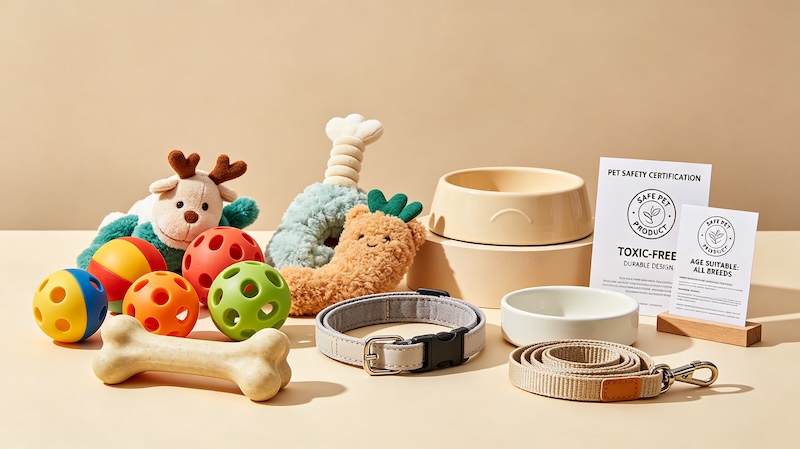
When vetting suppliers, you must demand proof that their products pass these specific tests:
1. REACH (Registration, Evaluation, Authorisation and Restriction of Chemicals)
Target Market: European Union (and highly recommended for the US)
REACH is a European regulation that strictly limits the presence of thousands of toxic chemicals, heavy metals, and hazardous substances in consumer goods.
When you source pet products from China—especially plastic toys, rubber chew toys, or synthetic bedding—you must ensure they are REACH compliant. You do not want your products leaching lead, phthalates, or BPA into a pet’s mouth.
2. RoHS (Restriction of Hazardous Substances)
Target Market: Global
If you are importing electronic pet products (like automatic feeders, laser toys, or smart collars), RoHS compliance is mandatory. This certification ensures that the electronic components do not contain dangerous levels of heavy metals like lead, mercury, or cadmium.
3. CE Marking / FCC Certification
Target Market: EU (CE) / USA (FCC)
Continuing with electronic pet products, a CE mark (for Europe) or FCC certification (for the US) proves that the product meets electromagnetic compatibility standards and won’t interfere with other devices or pose electrical safety hazards.
4. FDA Standards for Food-Contact Materials
Target Market: USA
If you are importing pet bowls, lick mats, water fountains, or food storage containers, the materials must be food-safe. In the US, this means complying with FDA regulations for food-contact substances.
You must ask your Chinese manufacturer for lab test reports proving that their silicone, stainless steel, or plastic does not release harmful chemicals when in contact with food or water.
5. EN71 (European Standard for Toy Safety)
Target Market: EU (Used as a benchmark globally)
EN71 is the rigorous safety standard for children’s toys in Europe. While technically for humans, responsible pet brands use the EN71-3 standard (which tests for the migration of certain heavy metals) as a benchmark for pet toys. If a toy is safe enough for a toddler to put in their mouth, it is generally considered safe for a dog.
How to Verify Supplier Certifications
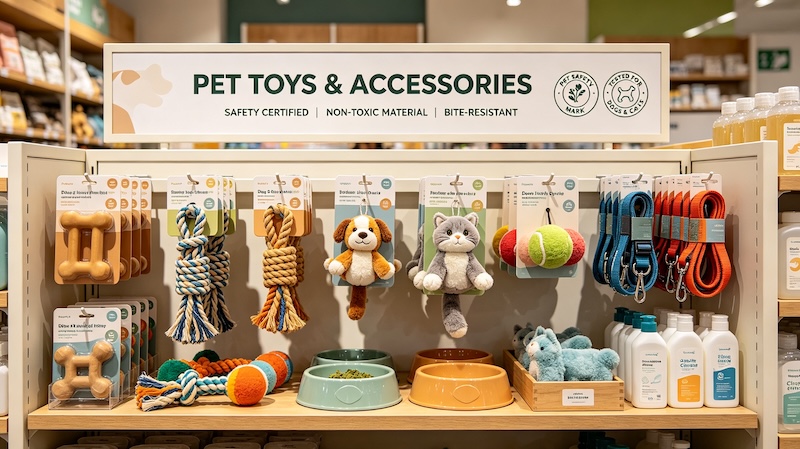
Never take a supplier’s word for it when they claim to have these certifications.
- Request Original Documents: Ask for the full, original lab test reports (not just a certificate summary).
- Check the Date and Product: Ensure the report is recent (within the last 1-2 years) and exactly matches the specific product and material you are buying.
- Verify the Lab: The testing should be conducted by a reputable, internationally recognized third-party laboratory, such as SGS, TÜV Rheinland, or Intertek.
- Conduct Your Own Testing: For your first order, it is highly recommended to hire an independent lab in China to pull a sample from your production run and test it before it ships.
Conclusion
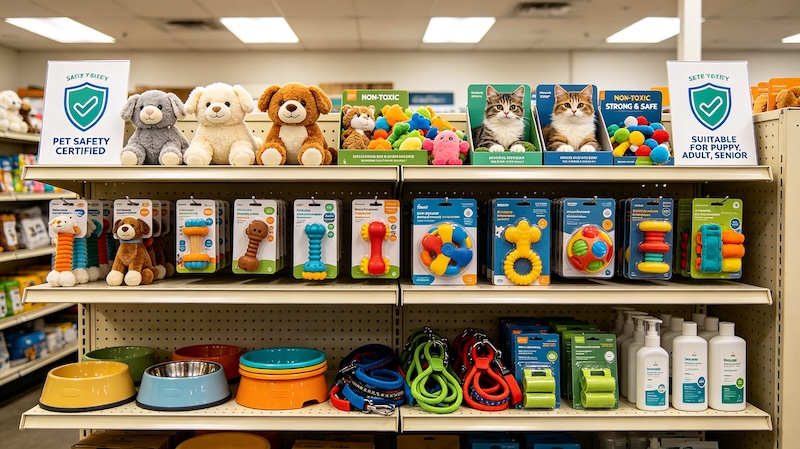
Choosing to source pet products from China is a lucrative business model, provided you prioritize safety above all else. By demanding rigorous certifications like REACH, RoHS, and FDA food-contact standards, you protect the pets using your products, safeguard your brand’s reputation, and ensure the long-term success of your business.