In most sourcing projects, the sample stage feels like a green light.
The product looks good.
The quality feels acceptable.
The supplier is responsive.
At that point, many businesses move directly into production.
But this is also where a lot of sourcing problems begin.
Because a sample is not just a preview of production.
It is often the best version of what a supplier can deliver.
And in some cases, it is intentionally better than what mass production will look like.
This gap between sample and production is one of the most common causes of quality issues, delays, and unexpected costs.
Understanding how to evaluate samples properly can prevent most of these problems before they start.
Why Supplier Samples Are Not Always Final Product Quality
A common mistake in sourcing is assuming:
“If the sample is good, production will be the same.”
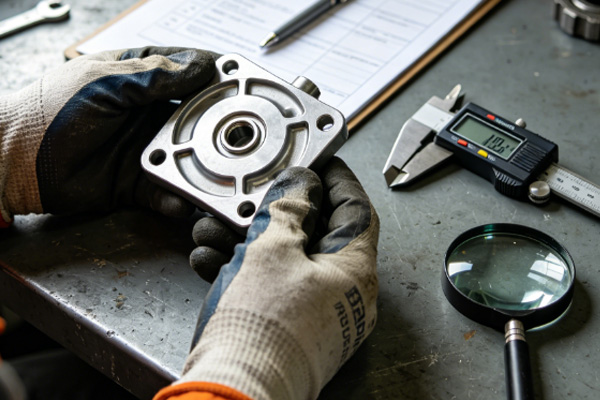
In reality, samples are often produced under different conditions.
They may involve:
- More careful manual work
- Higher-grade materials for demonstration
- Extra quality attention
- Non-standard production speed
Factories prioritize samples because they represent sales conversion.
Mass production, however, operates under efficiency pressure.
This is where differences appear.
Not always intentionally. But structurally.
Different Types of Samples in Manufacturing
Not all samples represent the same stage of production.
1. Prototype Sample
Used for design confirmation.
Often not production-ready.
2. Pre-Production Sample
Closer to real manufacturing conditions.
Used for final approval.
3. Mass Production Sample
Taken from actual production line.
Most reliable reference.
4. Golden Sample
The agreed reference standard for future production.
Used for quality comparison.
Understanding which sample you are evaluating is critical.
What to Check in a Supplier Sample
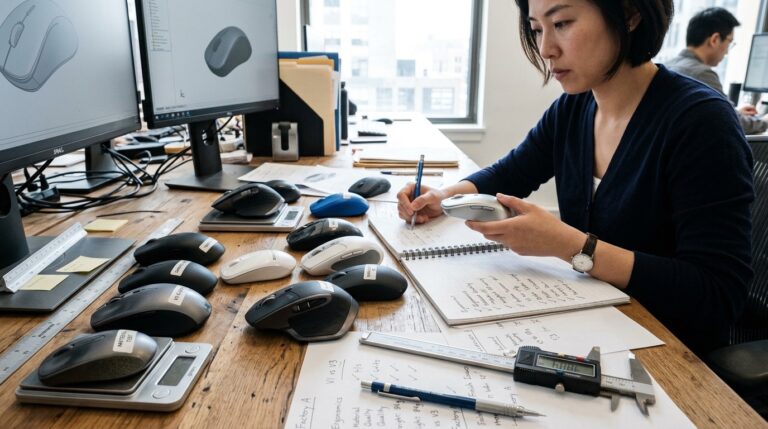
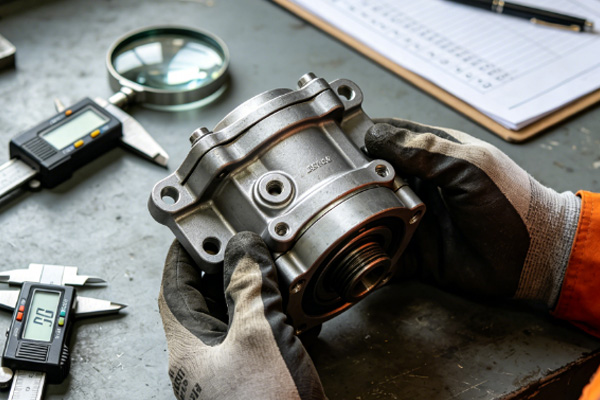
A proper evaluation goes beyond appearance.
Material Consistency
Check whether materials match specifications.
Even small differences can affect durability and performance.
Workmanship Quality
Look at:
- Assembly precision
- Surface finishing
- Structural consistency
Functional Testing
If the product has functionality, test it under realistic conditions.
Packaging Accuracy
Packaging errors often appear later in production if not checked early.
Repeatability Potential
Ask a key question:
Can this be consistently reproduced at scale?
Common Sample Misleading Factors
Some sample issues are not obvious at first.
Over-Polished Samples
Some suppliers manually improve samples beyond normal production standards.
Premium Material Substitution
Higher-quality materials may be used for sampling only.
Single-Unit Attention Bias
Samples often receive more care than bulk production.
Non-Standard Production Conditions
Samples may be made outside regular production workflow.
How to Compare Sample vs Mass Production Reality
The goal is not just to approve a sample.
It is to predict production behavior.
Ask suppliers:
- Is this the same material used in mass production?
- Will the same process be used at scale?
- What changes when we move to bulk production?
A good supplier can explain differences clearly.
A weak supplier avoids the question.
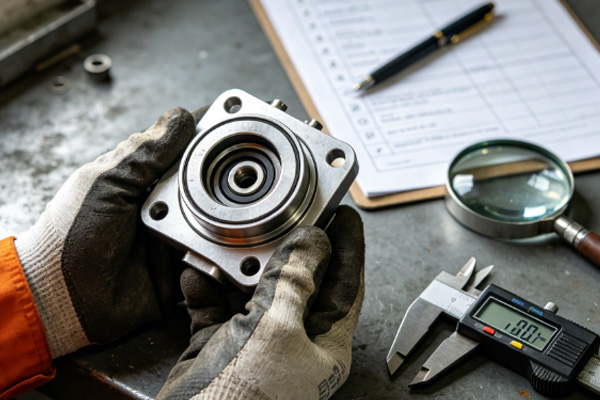
Sample Approval Checklist
Before approving a sample, verify:
- Material matches confirmed specification
- Dimensions are consistent
- Functionality is tested and stable
- Packaging is production-realistic
- No signs of manual over-enhancement
- Supplier confirms mass production consistency
- Tolerance levels are clearly defined
- Reference sample is agreed for future production
A sample should act as a benchmark, not just a prototype.
When to Move to Mass Production
A sample alone is not enough to proceed.
Businesses should only move forward when:
- Sample quality is stable and repeatable
- Supplier confirms production method consistency
- All specifications are documented
- Risks have been discussed clearly
This is also where supplier evaluation matters.
If something still feels unclear, it usually is.
Read related context: Supplier Audit Checklist: What to Verify Before Placing a Large Order
Final Thoughts
A sample is not the finish line.
It is a checkpoint.
Businesses that treat samples as final confirmation often face production surprises later.
The goal is not just to approve a product.
It is to understand whether that product can be consistently manufactured at scale.
When sample evaluation is done properly, most quality issues are already prevented before production even begins.
Need Help Evaluating Supplier Samples?
At SourcePilot Global, we help businesses:
✓ Evaluate samples before production
✓ Verify manufacturing consistency
✓ Compare sample vs mass production risk
✓ Coordinate supplier communication
✓ Reduce sourcing uncertainty
Looking for sourcing support? Contact our team to discuss your project.