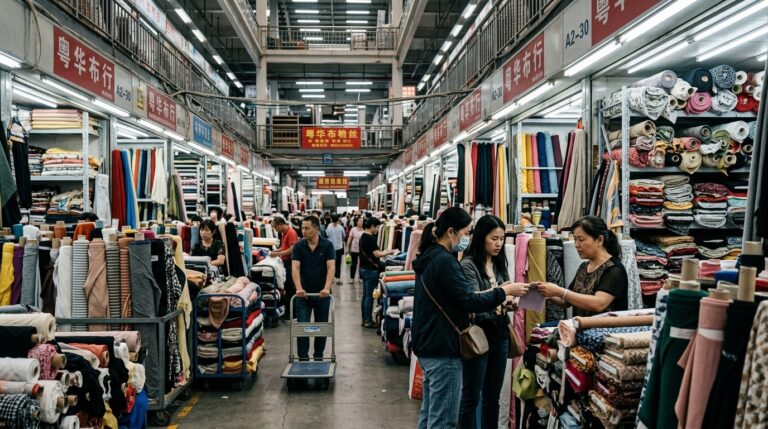
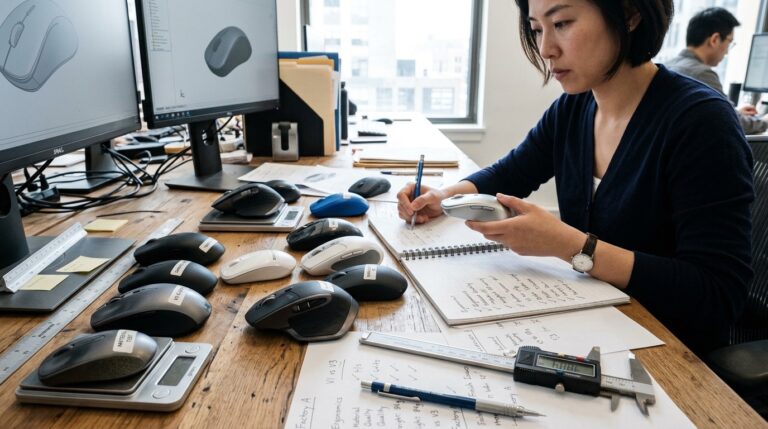
For decades, China dominated global manufacturing.
For many businesses, the sourcing decision was simple:
Manufacture in China.
But global sourcing has changed.
Rising labor costs, geopolitical uncertainty, supply chain disruptions, and shifting trade policies have pushed businesses to consider more options.
Today, companies often ask:
Which country is best for manufacturing in 2026?
The answer is not always obvious.
Because the “best” country depends on factors like:
- Product category
- Production complexity
- Cost expectations
- Shipping destination
- Supplier ecosystem
- Scalability needs
Some countries excel at low-cost production.
Others specialize in technical manufacturing or regional logistics.

What Makes a Country Good for Manufacturing?
Before comparing countries, businesses should understand that manufacturing decisions are rarely about cost alone.
Several factors matter.
Production Cost
Labor and operating costs influence pricing.
But cheaper is not always better.
Manufacturing Capability
Can suppliers handle complex production?
Some countries specialize in technical manufacturing.
Others focus on simpler assembly.
Supplier Ecosystem
Strong ecosystems improve sourcing efficiency.
Especially for products requiring multiple components.
Logistics and Shipping
Geographic location affects lead time and transportation cost.
Political and Economic Stability
Stability matters for long-term sourcing.
Scalability
Can suppliers support business growth?
This becomes important as order size increases.
China: Best for Scale and Complexity
China remains the world’s manufacturing leader.
Despite diversification trends.
Strengths
✔ Massive supplier ecosystem
✔ Strong OEM manufacturing capability
✔ Fast scalability
✔ Product variety
China often performs best for:
- Electronics
- Consumer products
- Complex assemblies
- Customized manufacturing
China also remains highly competitive for businesses that require rapid scaling.
Read: China Sourcing in 2026: Is Manufacturing in China Still Worth It?
Challenges
- Rising labor costs
- Tariff exposure in some markets
- Geopolitical uncertainty
Still, China remains difficult to replace fully.
Vietnam: Strong Alternative for Labor-Intensive Products
Vietnam continues growing as a sourcing destination.
Especially for labor-intensive industries.
Strengths
✔ Competitive labor costs
✔ Growing manufacturing investment
✔ Strong export growth
Popular sectors include:
- Furniture
- Apparel
- Consumer goods
Challenges
- Smaller supplier ecosystem than China
- Capacity limitations in some sectors
Vietnam works well for diversification.
Especially in China + 1 strategies.
Read: China + 1 Strategy: Should You Diversify Your Manufacturing?

India: Growing Manufacturing Power
India continues expanding manufacturing capacity.
Government investment and infrastructure growth support long-term potential.
Strengths
✔ Large labor market
✔ Growing industrial investment
✔ Competitive manufacturing costs
India is increasingly considered for:
- Textiles
- Consumer products
- Industrial products
Challenges
- Infrastructure varies by region
- Supplier consistency may differ
Supplier verification matters.
Mexico: Strong Nearshoring Option
Mexico attracts businesses serving North America.
Especially companies prioritizing speed.
Strengths
✔ Faster shipping to the U.S.
✔ Geographic proximity
✔ Strong industrial manufacturing
Popular for:
- Automotive products
- Industrial manufacturing
- Electronics assembly
Challenges
- Labor costs higher than parts of Asia
- Supplier specialization varies
Mexico works especially well for nearshoring.
Thailand and Malaysia: Electronics and Technical Manufacturing
These countries often perform well in specialized manufacturing.
Thailand Strengths
✔ Automotive supply chains
✔ Industrial production
Malaysia Strengths
✔ Electronics manufacturing
✔ Semiconductor-related sectors
Challenges
- Higher cost than lower-cost markets
- Limited scale versus China
Still valuable for technical sourcing.
Eastern Europe: Regional Manufacturing for Europe
Eastern Europe attracts companies serving European markets.
Countries like Poland and Romania offer advantages.
Strengths
✔ Faster delivery within Europe
✔ Regional logistics advantages
Challenges
- Higher labor costs than Asia
Best suited for regional strategies.
How to Choose the Right Manufacturing Country
No country is universally best.
The right answer depends on priorities.
Choose China If:
✔ Product complexity is high
✔ Scalability matters
✔ Supplier variety is important
Choose Vietnam If:
✔ Cost reduction matters
✔ Labor-intensive production dominates
Choose India If:
✔ Long-term sourcing diversification matters
Choose Mexico If:
✔ Faster North American logistics matter
Consider Multiple Countries If
✔ Risk diversification matters
✔ Supply chain resilience is important
Final Thoughts
Choosing the best manufacturing country is about strategy.
Not trends.
Many businesses chase low costs.
But strong sourcing decisions balance:
- Cost
- Quality
- Reliability
- Scalability
- Risk
China remains powerful.
But alternatives continue growing.
The smartest sourcing strategy is usually the one that matches your business model.
Not someone else’s.

Need Help Choosing the Right Manufacturing Country?
At SourcePilot Global, we help businesses:
✓ Evaluate sourcing destinations
✓ Compare manufacturing options
✓ Verify suppliers before production
✓ Reduce sourcing risk
✓ Improve procurement efficiency
Looking for sourcing support? Contact our team to discuss your project.