Last Updated: July 2026
It is the worst nightmare of every e-commerce brand owner: You wait two months for your sea freight to arrive, pay thousands of dollars in tariffs and shipping fees, open the first carton in your warehouse, and realize the entire batch is defective.
Handling defective products from China is incredibly difficult once the goods have left the factory. However, it is not impossible to recover your losses if you handle the negotiation correctly.
Here is a step-by-step guide on how to handle defective products, how to file a claim with your Chinese supplier, and most importantly, how to prevent it from ever happening again.
Step 1: Document Everything (The 24-Hour Rule)
The moment you discover a defect, stop unpacking and start documenting. Time is of the essence. If you wait a month to complain, the factory will claim you damaged the goods yourself or stored them improperly.
- Take High-Resolution Photos and Videos: Capture the defective item next to a good item (or the original approved sample). Take clear photos of the shipping cartons showing the factory’s tracking labels.
- Calculate the Defect Rate: You must provide exact numbers. Open a statistically significant sample size (e.g., 200 units out of 5,000) and calculate the exact percentage of defects. A claim of “many of them are broken” will be ignored. A claim of “14.5% exhibit a broken zipper” demands attention.
Step 2: The Initial Communication (Do Not Get Angry)
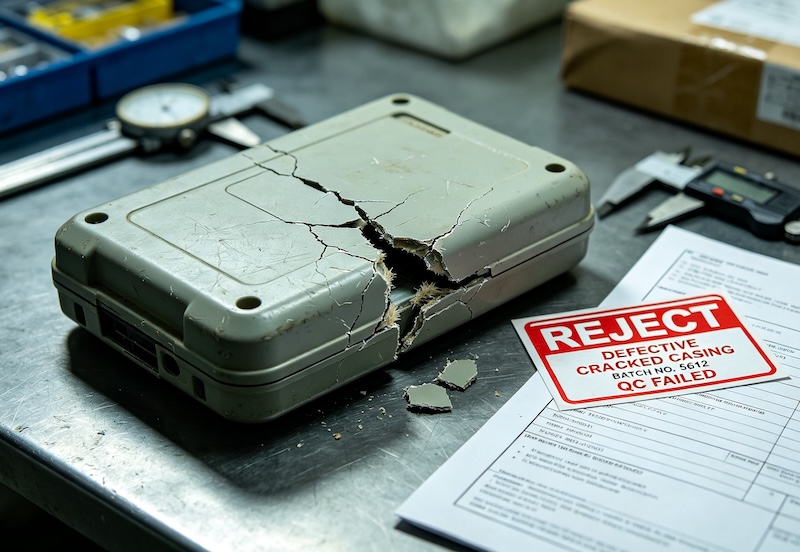
Your instinct will be to send a furious email demanding an immediate refund. Do not do this.
In Chinese business culture, causing the factory boss to “lose face” through aggressive confrontation will often result in them ignoring your emails forever. You have already paid them; they hold the leverage.
- Use the “Partnership” Approach: Frame the issue as a mutual problem that hurts both of your businesses.
- Example Script: “Hi [Name], we just received the latest shipment. Unfortunately, we found a severe issue with the hinges on 15% of the units (see attached video). Since we value our long-term partnership and want to place our Q4 order soon, how can we solve this issue together quickly?”
Step 3: Negotiating the Claim (Realistic Expectations)
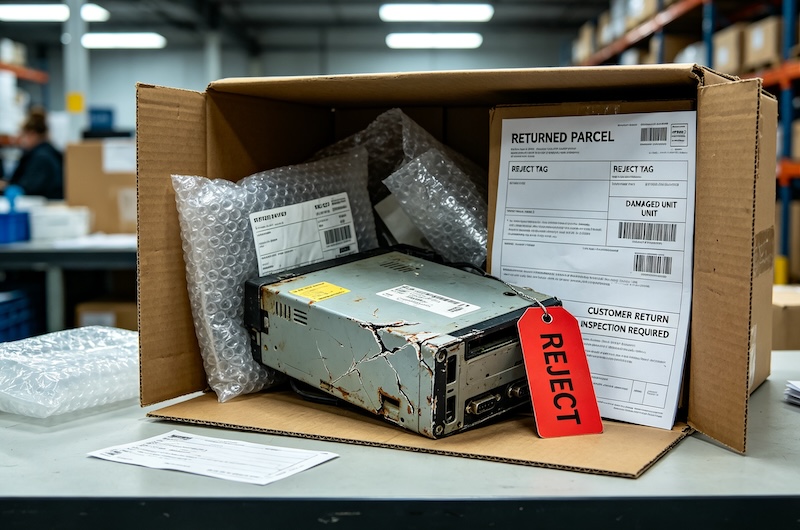
Getting a cash refund wired from a Chinese bank account back to a western bank account is notoriously difficult due to China’s strict capital controls. Asking for cash back will usually result in a stalemate.
Instead, ask for these realistic solutions:
Option A: The Replacement (Best for Minor Issues)
Ask the factory to manufacture replacement units for free and include them in your next shipment. This costs the factory very little (just raw materials and labor) and guarantees they get your next order.
Option B: The Credit/Discount (Best for Major Issues)
If 20% of your order is unsellable, negotiate a 20% credit applied to your next purchase order.
Option C: The Rework Subsidy
If the defect is something you can fix locally (e.g., swapping out a generic screw, printing a new label), ask the factory to subsidize the local labor cost.
Step 4: When the Factory Refuses to Cooperate
If the factory denies responsibility, blames the freight forwarder, or ghosts you, your options are limited, but you still have a few plays.
- Alibaba Trade Assurance: If you paid via Alibaba and the goods do not match the agreed-upon specification sheet (you did have one, right?), you can open a dispute. Alibaba acts as a mediator and can force a refund from the supplier’s escrow account.
- Threaten the Relationship, Not the Law: Threatening a lawsuit in a Chinese court is usually a bluff (it is too expensive for small orders). Instead, remind them of the lifetime value of your business that they are losing over a few hundred dollars of defects.
Step 5: How to Prevent It Next Time
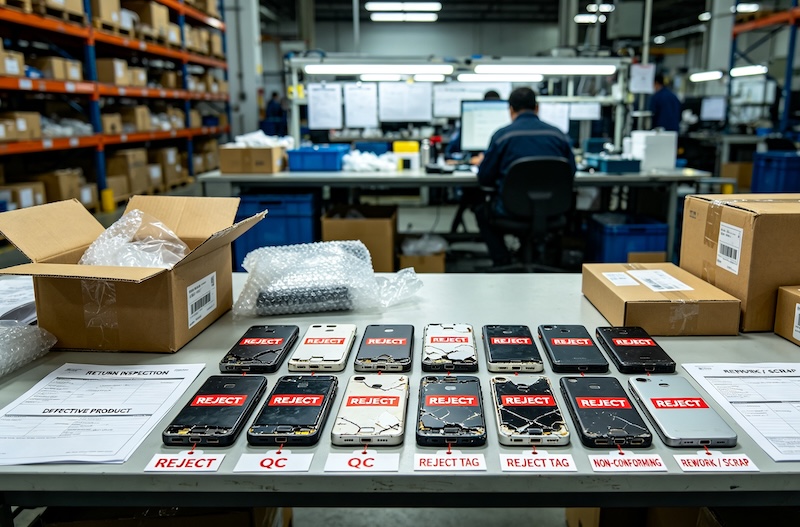
The harsh reality is that if you received defective goods, it is partially your fault for not inspecting them in China. Once the goods cross the ocean, the risk shifts entirely to you.
The Prevention Checklist:
- Pre-Shipment Inspections: Never pay the final 70% balance until a third-party inspector (like SGS, V-Trust, or your sourcing agent) has physically visited the factory, performed an AQL inspection, and sent you a passing report.
- The “Golden Sample”: Always have two identical, perfect samples signed and dated by both you and the factory. Keep one, and leave one at the factory as the absolute standard for mass production.
- Ironclad Purchase Orders (POs): Your PO must state explicitly: “Payment of the final balance is contingent upon a passing pre-shipment inspection based on AQL 2.5.”
Handling quality control across the globe is stressful. SourcePilot Global conducts rigorous on-site inspections in China before your goods ever board a ship, ensuring you never have to negotiate a defect claim again. Let us protect your next shipment.