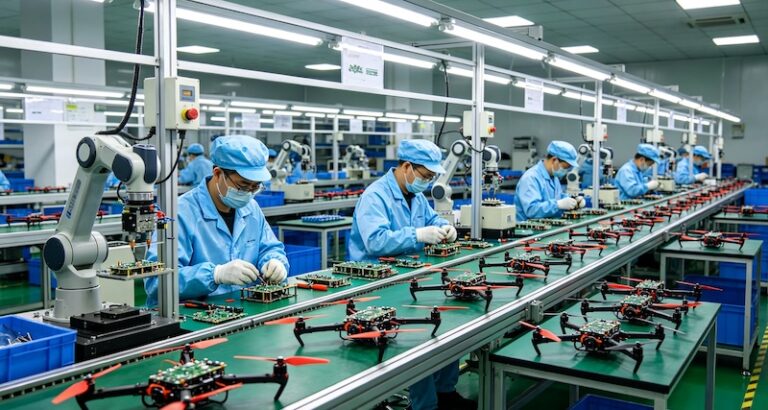
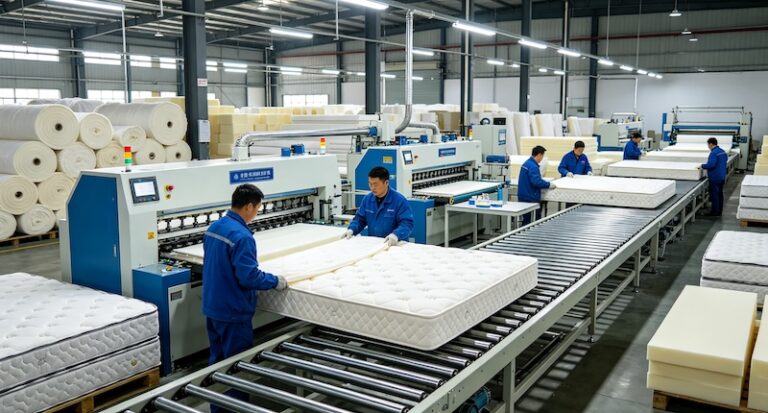
The global market for Baby Products is incredibly lucrative, but it is also one of the most strictly regulated industries in the world. When importing strollers, toys, apparel, or feeding accessories from China, safety must be your top priority. A single non-compliant product can lead to product recalls, lawsuits, and the destruction of your brand’s reputation.
To successfully source and import baby products, you must understand the international safety standards and how to enforce them during the manufacturing process.
Why Safety Standards are Critical for Baby Products
Infants and toddlers are highly vulnerable. Governments around the world have enacted stringent regulations to protect them from choking hazards, toxic chemicals, and structural failures. As an importer, the legal responsibility falls on you—not the Chinese manufacturer—to ensure that the products comply with the regulations of your target market.
Key International Safety Standards
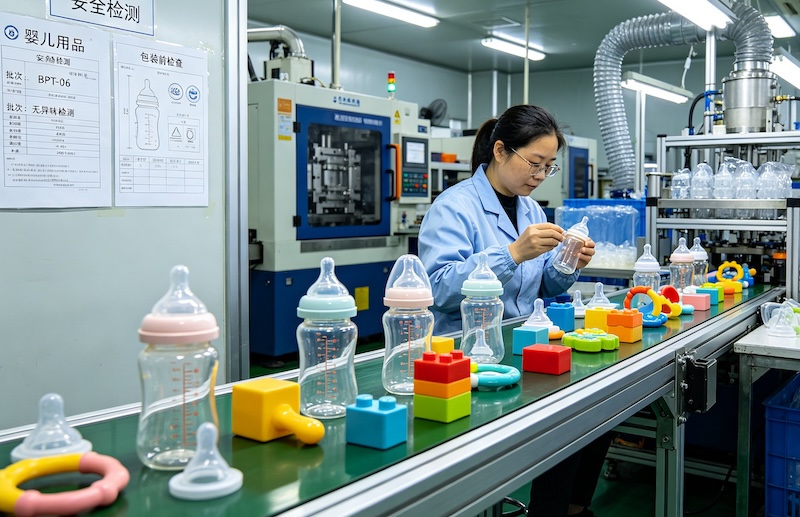
Before approaching suppliers, familiarize yourself with the regulations applicable to your region:
1. United States: CPSC and CPSIA
If you are importing into the US, your products must comply with the Consumer Product Safety Commission (CPSC) and the Consumer Product Safety Improvement Act (CPSIA).
* Lead and Phthalates: Strict limits are placed on lead paint, lead content, and specific phthalates in children’s toys and childcare articles.
* Children’s Product Certificate (CPC): Importers must issue a CPC certifying that their products have been tested by a CPSC-accepted third-party laboratory.
2. European Union: CE Mark and EN71
For the EU market, toys and baby products must conform to the EN71 toy safety standard and the REACH directive regarding chemical substances.
* Mechanical and Physical Properties: Ensures toys do not have sharp edges or small detachable parts that pose choking hazards.
* Flammability: Textiles and toys must meet strict flammability standards.
* Products must bear the CE marking to demonstrate compliance.
3. Australia & New Zealand: AS/NZS ISO 8124
Australia has strict mandatory standards for various baby items, including cots, strollers, and pacifiers, governed by the ACCC. Toys must comply with the AS/NZS ISO 8124 standard.
How to Verify Supplier Compliance in China
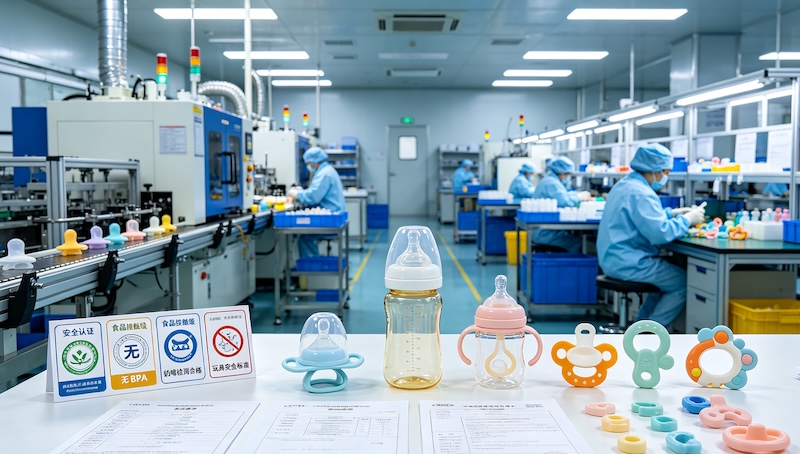
Finding a supplier that claims to make baby products is easy; finding one that consistently meets safety standards takes effort.
- Ask for Existing Test Reports: Request past test reports from recognized laboratories (like SGS, Intertek, or TUV) for similar products they have manufactured.
- Verify the Lab: Do not just accept a PDF. Verify the authenticity of the test report directly with the issuing laboratory.
- Audit the Factory: Ensure the factory has a robust Quality Management System (QMS), such as ISO 9001. A clean, well-organized factory is more likely to produce compliant goods.
Best Practices for Safe Importing
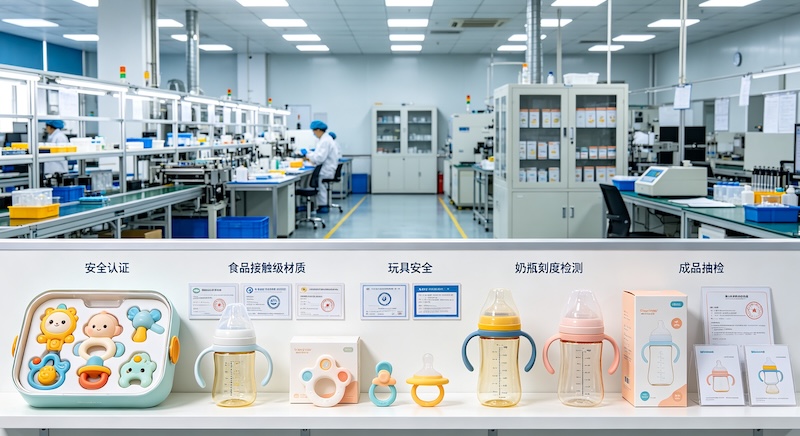
- Draft Detailed Specifications: Your OEM agreement should explicitly state the required safety standards and chemical limits.
- Third-Party Lab Testing: Never rely solely on the supplier’s internal testing. Always send pre-production and mass-production samples to an independent, accredited lab.
- Pre-Shipment Inspections: Hire an inspector to check the goods before they leave the factory to ensure there are no defects, loose parts, or incorrect labeling.
Frequently Asked Questions
Who is legally responsible if an imported baby product is unsafe?
As the importer of record, you are legally responsible for the safety and compliance of the products you bring into your country, not the overseas manufacturer.
What happens if I import baby products without the required testing certificates?
Customs authorities can seize and destroy your shipment. If the products reach the market, you may face forced product recalls, heavy fines, and potential lawsuits.
Do I need to test every single order I place with my supplier?
Yes, it is highly recommended to perform batch testing on every new production run, especially for high-risk items, to ensure the manufacturer hasn’t substituted materials without your knowledge.