When sourcing products from China, finding a direct factory can significantly reduce your costs and improve quality control. However, many suppliers on Alibaba are not actual manufacturers; they are trading companies or middlemen. Identifying these intermediaries is crucial for scaling your business efficiently. Here are the top 7 red flags on Alibaba that indicate your supplier might actually be a middleman.
1. A Vast and Unrelated Product Catalog
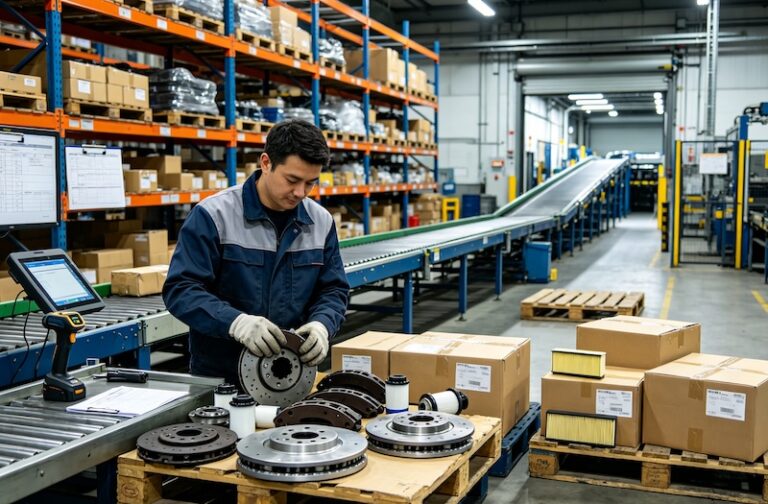
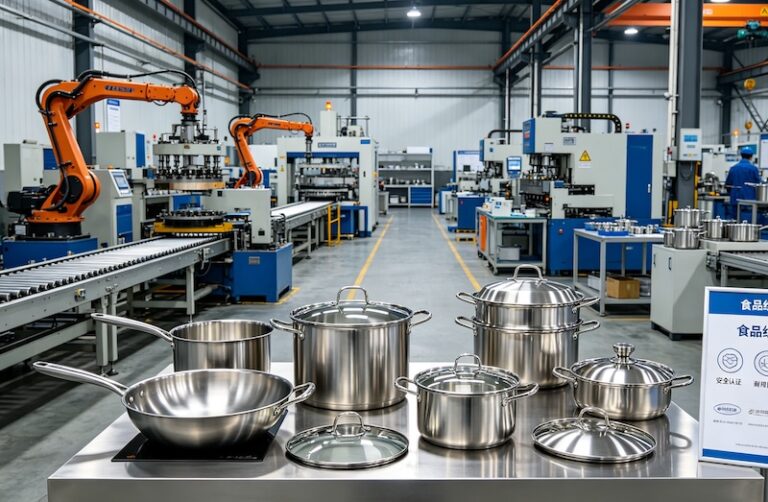
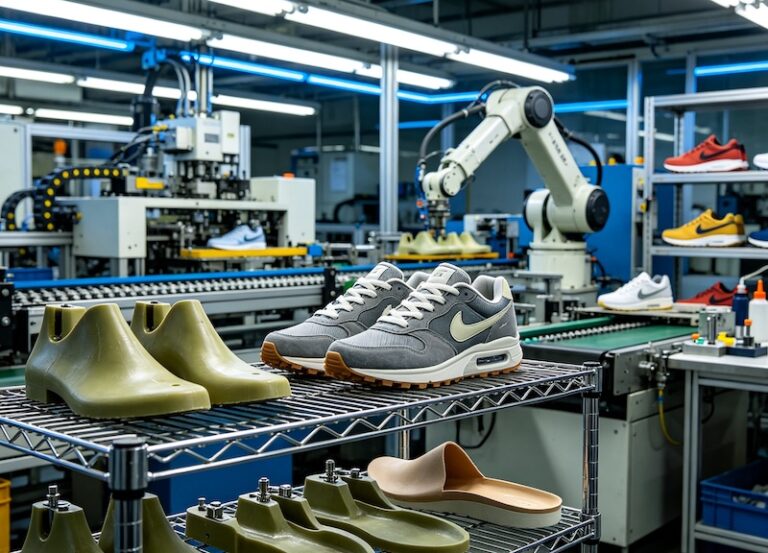
One of the most obvious red flags on Alibaba is a supplier offering a wide array of completely unrelated products. A true factory specializes in a specific manufacturing process. For example, a factory that makes stainless steel water bottles won’t also manufacture electronic toys or leather jackets. If a supplier’s catalog looks like a general store, they are almost certainly a trading company sourcing from various factories.
2. Location Doesn’t Match the Industry Cluster
China’s manufacturing sector is heavily clustered by industry. For instance, electronics are primarily manufactured in Shenzhen, while textiles are often found in Zhejiang or Jiangsu provinces. If you are sourcing electronics and your supplier is based in an area known for agriculture or textiles, this is a major red flag. Middlemen are often located in major commercial hubs rather than industrial zones.
3. Reluctance to Provide Factory Tours
A genuine manufacturer is usually proud of their facility and will welcome a visit—whether in person or via a live video call. If your supplier constantly makes excuses, delays, or outright refuses a factory tour or video inspection, it’s highly likely they don’t own the production lines.
4. Inconsistent Company Names on Certifications
Always ask for ISO certifications, quality control documents, or product test reports. Check the company name on these documents. If the name on the certificate doesn’t match the name of the supplier you are communicating with on Alibaba, they are likely a middleman using a factory’s documentation to appear legitimate.
5. Unwillingness to Make Minor Product Modifications
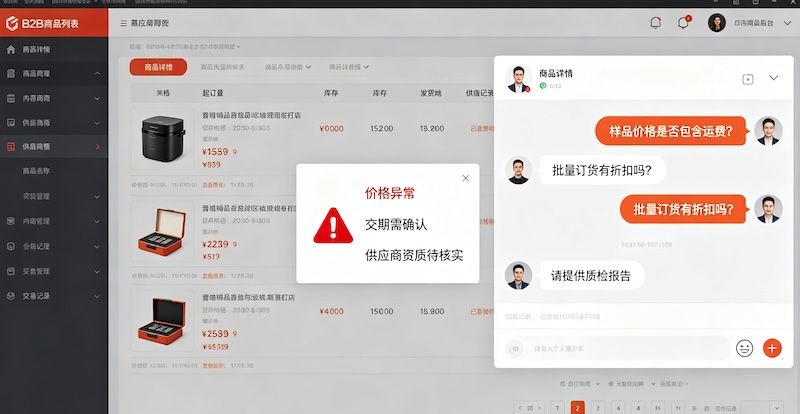
Factories have the machinery, engineers, and raw materials to make customized changes to a product (OEM/ODM). While there might be a Minimum Order Quantity (MOQ) or tooling fee, they can do it. Middlemen buy off-the-shelf products and have limited control over the manufacturing process. If your supplier strongly resists minor customizations, they might not be the actual manufacturer.
6. Very Low MOQs (Minimum Order Quantities)
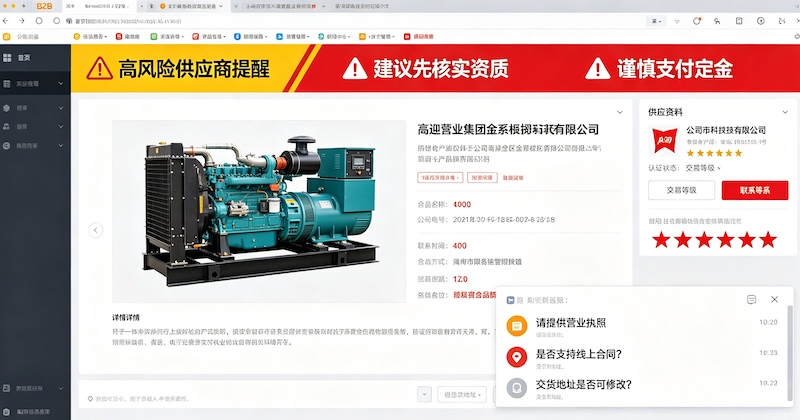
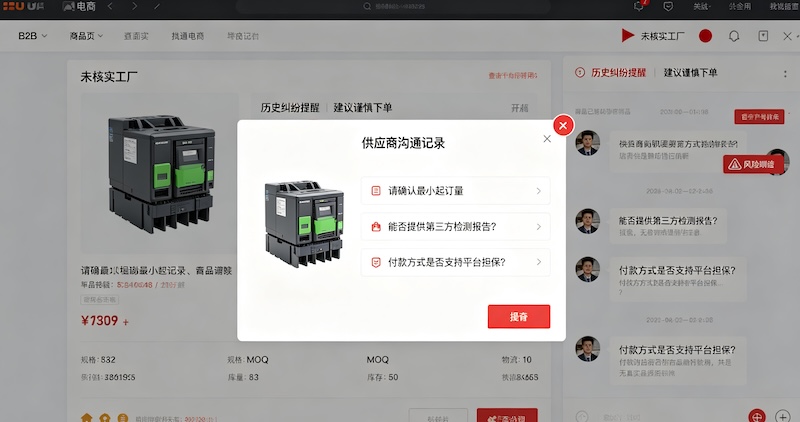
While low MOQs might seem attractive to beginners, they can sometimes be one of the red flags on Alibaba. Factories operate on economies of scale and need to set up production lines, making very small runs unprofitable. Trading companies, however, often buy in bulk and break down shipments to sell smaller quantities to various buyers.
7. Lack of Deep Technical Knowledge
When you ask detailed, highly technical questions about the manufacturing process, materials, or tooling, a factory engineer can usually provide precise answers. A sales rep for a middleman may struggle with these questions, give vague answers, or constantly need to “check with the production team,” which often takes days because they are actually contacting the real factory.
Frequently Asked Questions
What is the difference between a factory and a trading company on Alibaba?
A factory manufactures the products directly and offers lower prices for bulk orders but may have higher MOQs and limited product types. A trading company sources from various factories, offering a wider product range and lower MOQs, but usually charges higher prices.
Is it always bad to use a middleman on Alibaba?
No. Middlemen can be beneficial if you need very low MOQs, want to source multiple different product categories from one point of contact, or need better English communication and customer service.
How can I verify a supplier’s location?
You can check their business license and look up the address on Baidu Maps or Google Maps. Industrial parks look vastly different from downtown office buildings where trading companies are usually located.