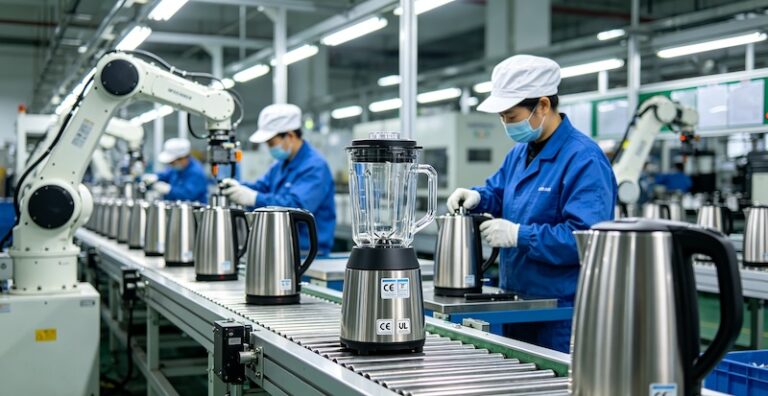
For electronics manufacturers, hardware startups, and IoT developers worldwide, China remains the undisputed epicenter of component supply. From basic passive components (resistors, capacitors) to complex microcontrollers, PCBs, and custom sub-assemblies, the infrastructure in places like Shenzhen (the “Silicon Valley of Hardware”) is unparalleled.
However, successfully sourcing electronics components China requires more than just browsing Alibaba. The market is dense, quality can be highly variable, and the risk of counterfeit parts is real. To keep your manufacturing operation running smoothly in 2026, you need a robust sourcing strategy.
Here is a step-by-step guide to finding reliable suppliers, ensuring quality, and managing your electronic supply chain.
1. Understand the Supplier Landscape
The Chinese electronics market consists of several types of players. Knowing who you are dealing with is crucial for pricing, scalability, and technical support.
- Original Component Manufacturers (OCMs): These are the factories that actually produce the components (e.g., local Chinese IC brands or large resistor manufacturers). Buying direct offers the lowest prices but usually requires massive Minimum Order Quantities (MOQs).
- Franchised/Authorized Distributors: These companies hold agreements with OCMs to sell their parts. They guarantee authenticity and provide traceability, making them the safest bet for critical components, though their prices may be slightly higher.
- Independent Brokers / Trading Companies: The Huaqiangbei market in Shenzhen is full of brokers. They can source hard-to-find or obsolete parts quickly, but the risk of receiving counterfeit, refurbished, or mixed-batch parts is significantly higher. Use them only with strict quality control protocols in place.
2. Navigating the Sourcing Platforms
While global distributors like DigiKey and Mouser are excellent for prototyping, scaling up to mass production often requires tapping into the Chinese domestic market for cost savings.
- Alibaba & Global Sources: Good for finding PCB assembly (PCBA) factories, custom cable manufacturers, and bulk generic components.
- 1688.com and Taobao: The domestic equivalents of Alibaba/AliExpress. Prices are often much lower here, but you will need a local agent or sourcing partner (like SourcePilot Global) to handle the Chinese language barrier, domestic payments, and export logistics.
- LCSC Electronics: A major Chinese distributor that acts similarly to DigiKey but focuses heavily on Asian component brands. This is a highly reputable source for affordable, authentic parts.
3. The Threat of Counterfeit Components
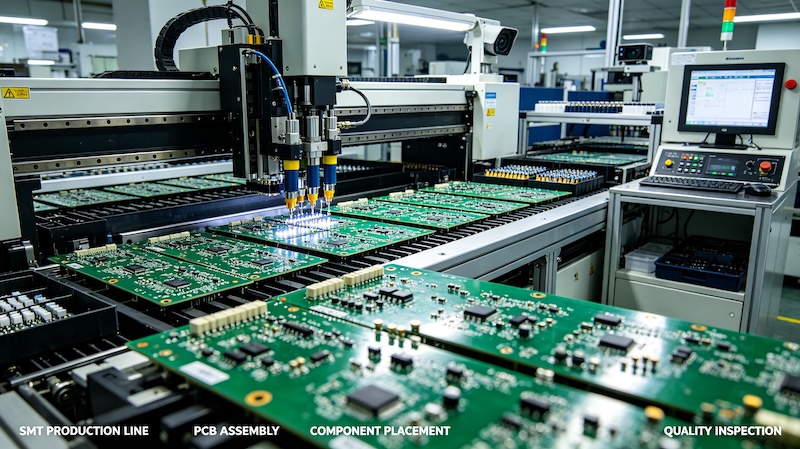
Counterfeit ICs and reclaimed components (salvaged from e-waste, cleaned, and re-marked as new) are a persistent threat in the open market. A single failing counterfeit chip can ruin an entire production batch, causing massive financial loss and reputational damage.
How to protect your operation:
– Demand Traceability: Ask for Certificates of Compliance (CoC) and trace documentation back to the OCM.
– Visual Inspection: Look for inconsistent laser etching, resurfaced tops (blacktopping), or bent pins on sample batches.
– Third-Party Testing: For high-value or critical microcontrollers sourced from brokers, invest in third-party lab testing in China (X-ray inspection, decapsulation, electrical testing) before shipping them to your assembly facility.
4. The Rise of Domestic Chinese Alternatives (Drop-in Replacements)
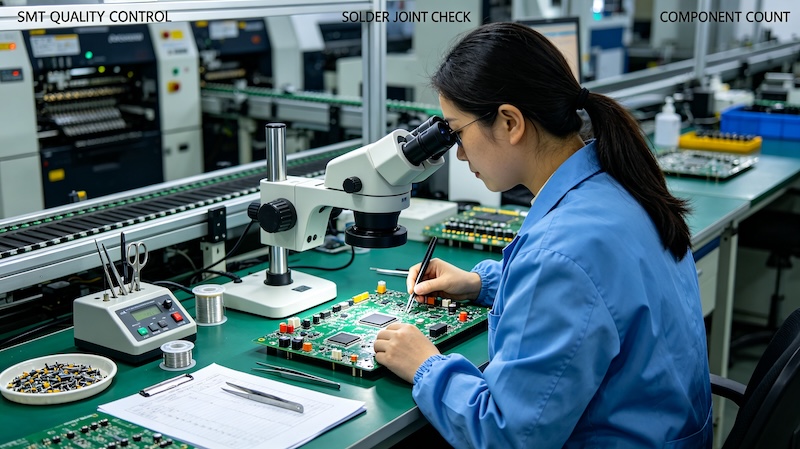
Historically, Western manufacturers insisted on American or European IC brands (TI, STMicroelectronics, NXP). However, due to recent global chip shortages and geopolitical shifts, many operations are successfully substituting Western chips with domestic Chinese equivalents (e.g., GigaDevice for MCUs, Silergy for power management).
- The Benefit: Shorter lead times and significantly lower costs.
- The Catch: You must rigorously test these components. While many are true “drop-in replacements” with identical pinouts, the firmware libraries or thermal tolerances might differ slightly, requiring engineering adjustments.
5. Partnering with a Turnkey PCBA Factory
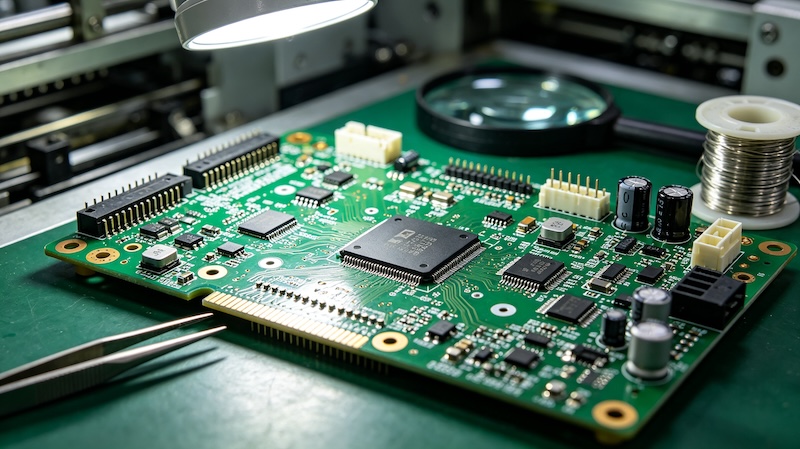
If you are sourcing components to build finished boards, consider working with a Turnkey PCBA (Printed Circuit Board Assembly) factory in Shenzhen.
Instead of you buying all the parts and shipping them to the factory (Consignment), a Turnkey factory sources the Bill of Materials (BOM) themselves through their established, vetted local networks. This drastically reduces your logistics headache. However, you must insist on a strict BOM lock—meaning they cannot swap your specified components for cheaper alternatives without your explicit engineering approval.
6. Streamline Sourcing with SourcePilot Global
Sourcing electronics components China is complex, requiring local presence, technical knowledge, and relentless quality assurance.
By partnering with SourcePilot Global, you gain access to an on-the-ground team that audits factories, negotiates with authorized distributors, verifies component authenticity, and ensures your production line never stops due to a bad batch of parts. Focus on designing great hardware, and let us handle the complexities of the electronic supply chain.
Frequently Asked Questions
How can I avoid counterfeit electronic components from China?
To avoid counterfeits, buy primarily from authorized distributors or direct from OCMs. If using independent brokers, demand traceability documentation and use third-party testing services (like X-ray or decapsulation) to verify authenticity before shipment.
What is a Turnkey PCBA factory?
A turnkey PCBA factory not only manufactures the printed circuit board and assembles the components, but also handles the sourcing and purchasing of all the components listed on your Bill of Materials (BOM).
Are Chinese brand microcontrollers reliable?
Many domestic Chinese brands (like GigaDevice) offer highly reliable, cost-effective drop-in replacements for Western chips. However, thorough engineering testing is required to ensure compatibility with your specific application and firmware.