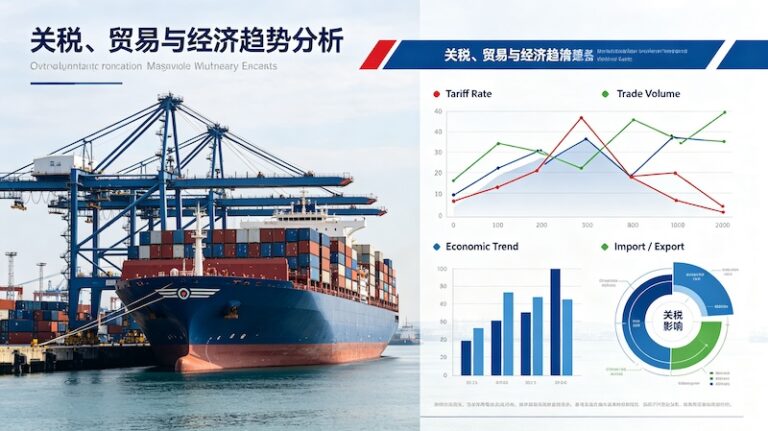
The global demand for fitness gear, camping equipment, and sporting goods is booming. For e-commerce sellers and retail brands, China remains the premier manufacturing hub for these products due to its vast supply chain infrastructure and competitive pricing. However, when you source sports equipment from China, you aren’t just dealing with generic widgets; you are importing items that people rely on for physical activity, safety, and survival in the outdoors.
Ensuring product quality and compliance is not optional—it’s a legal and ethical requirement. This guide outlines the essential steps, standards, and certifications you need to know when manufacturing sports and outdoor gear in China.
1. Why Compliance is Critical in Sporting Goods
Unlike simple household items, sports and outdoor equipment often carry inherent risks. A failing resistance band, a structurally weak bicycle helmet, or a non-waterproof tent can lead to injury or severe customer dissatisfaction.
Importing non-compliant goods can result in:
* Customs seizures at the border.
* Product recalls and legal liability.
* Suspension of your seller account on platforms like Amazon.
* Irreparable damage to your brand reputation.
Therefore, verifying certifications before you place an order is the most crucial step in the sourcing process.
2. Key Certifications and Standards to Look For
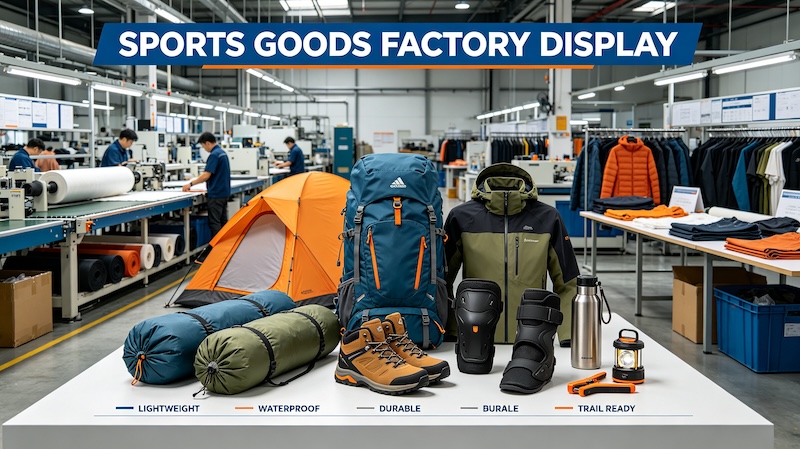
The specific standards your product must meet depend entirely on your target market (e.g., USA, EU, Australia) and the product category. Here are the most common frameworks:
A. European Union (EU) Standards
- CE Marking: Mandatory for many products sold in the EEA, indicating conformity with health, safety, and environmental protection standards. Common for protective gear (helmets, pads), sunglasses, and electronics (e-bikes).
- REACH (Registration, Evaluation, Authorisation and Restriction of Chemicals): Applies to almost all products to ensure they do not contain harmful levels of restricted chemicals (e.g., lead, phthalates in yoga mats or plastic handles).
- EN Standards: Specific European Norms apply to specific products. For example, EN 957 applies to stationary training equipment, and EN 1078 applies to bicycle helmets.
B. United States Standards
- CPSC (Consumer Product Safety Commission): Regulates the safety of most consumer products. Products intended for children (e.g., kids’ bicycles, small sporting goods) have extremely strict lead and phthalate limits and require a Children’s Product Certificate (CPC).
- ASTM International: Provides voluntary consensus standards that are widely adopted as industry benchmarks. For example, ASTM F1447 covers bicycle helmets, and ASTM F2276 covers fitness equipment.
- Prop 65 (California Proposition 65): If selling in California, your products must carry warning labels if they contain certain chemicals known to cause cancer or reproductive toxicity, unless proven to be within safe harbor limits.
3. How to Verify Supplier Certifications
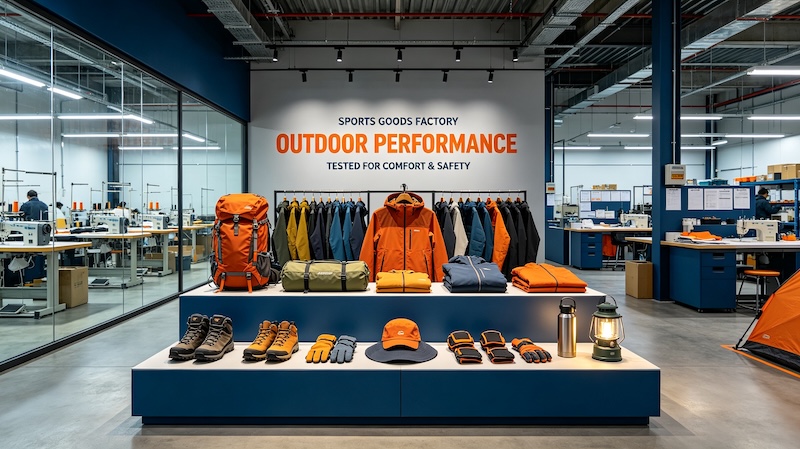
When you contact a factory on Alibaba or Global Sources to source sports equipment in China, do not take their word for it when they say they are “CE certified.”
Steps to Verify:
1. Request Test Reports: Ask for the actual laboratory test reports, not just a generic certificate. The report should explicitly list the product you intend to buy.
2. Check the Date and Holder: Ensure the test report is recent (usually within 1-2 years) and is issued to the factory you are dealing with, not a trading company or a different manufacturer.
3. Verify the Testing Lab: The tests should be conducted by a reputable, accredited third-party laboratory such as SGS, TUV, Intertek, or Bureau Veritas. You can often verify the certificate number on the lab’s website.
4. Quality Control (QC) for Sports Equipment
Certifications prove the design is compliant, but QC ensures every batch is manufactured correctly.
- Pre-Shipment Inspections: Always hire a third-party inspection agency to check the goods before paying the final balance.
- Functional Testing: Ensure the inspector performs functional tests on-site. For example, testing the load-bearing capacity of a hammock, the waterproofing of a jacket (using a hydrostatic head test), or the tension of fitness bands.
- Material Checks: Verify the correct materials are used (e.g., checking the density of EVA foam in yoga blocks or the grade of aluminum in trekking poles).
5. Finding the Right Factory
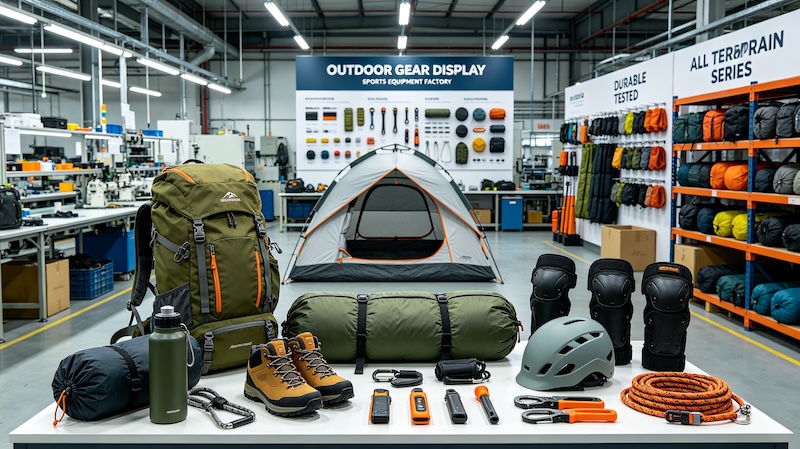
Not all factories are created equal. When sourcing sporting goods, look for manufacturers located in specific industrial clusters. For example, Zhejiang province is famous for fitness equipment, while Fujian is a hub for outdoor apparel and footwear. Partnering with a factory that specializes in your niche ensures they understand the specific quality requirements and manufacturing nuances of your product.
By prioritizing compliance, rigorously verifying test reports, and implementing strict quality control, you can successfully source safe, high-quality sports and outdoor equipment from China and build a trusted brand.