Ceramic tableware is a food-contact product category, which means lead and cadmium leaching tests aren’t optional extras — they’re the core compliance requirement that determines whether your dinnerware can legally be sold at all.
Lead and Cadmium Leaching Tests
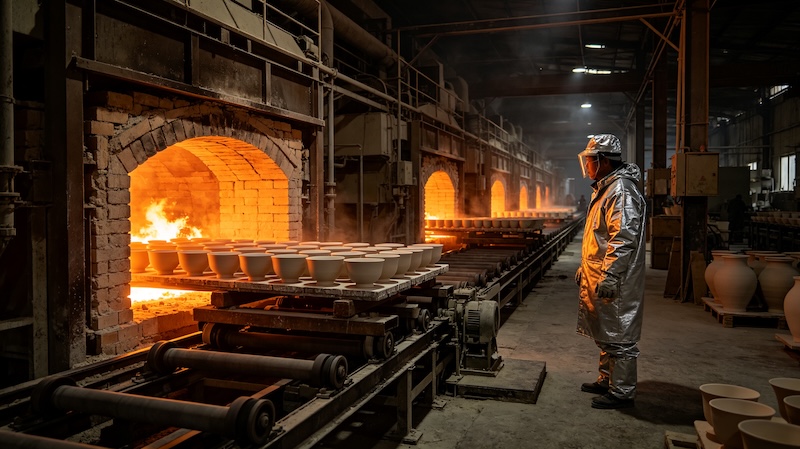
Glazes historically used lead and cadmium compounds to achieve certain colors and finishes, and these can leach into food, especially acidic foods, if the glaze isn’t properly formulated and fired. The US FDA sets specific leaching limits (measured in ppm) that vary by item type — flatware, small hollowware, large hollowware, and cups/mugs each have different thresholds.
EU regulations under Directive 84/500/EEC set comparable but distinct limits. Always request leaching test reports specific to your target market rather than assuming a US-passing report also satisfies EU requirements.
Choosing Between Bone China, Porcelain, and Stoneware

Bone china is the most delicate and premium-feeling but also the most expensive and fragile in shipping; porcelain offers a strong middle ground of durability and refinement; stoneware is the most chip-resistant and typically the most affordable, making it the common choice for hospitality and food service private label lines.
Breakage Rates and Packaging
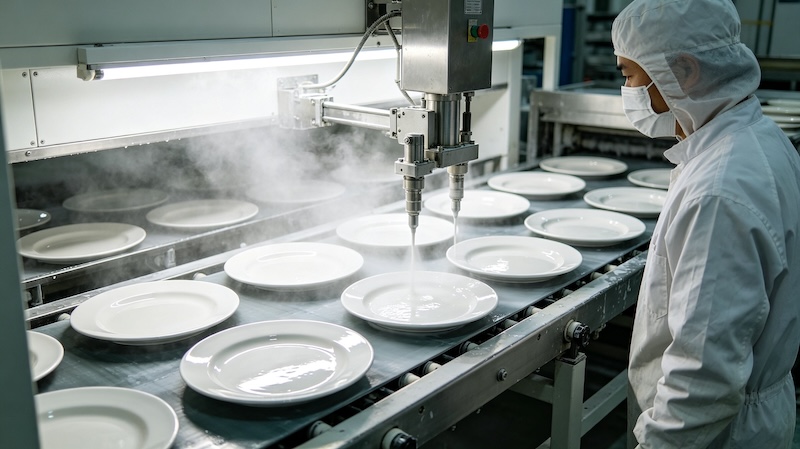
Expect some level of breakage in ocean freight regardless of packaging quality — factories with strong ceramics export experience typically target under 1-2% breakage using individual foam or molded pulp inserts. Ask for your factory’s historical breakage rate data and their claims process for damaged goods.
Frequently Asked Questions
Do all ceramic tableware items need lead testing, or just colored/glazed ones?
All glazed ceramic food-contact items should be tested, since even clear or white glazes can contain trace lead or cadmium depending on the glaze formulation used.
Is a US-passing lead test report valid for EU sales too?
Not necessarily — EU and US limits and test methods differ. Request separate testing against each market’s specific standard.
What breakage rate should I expect during ocean shipping?
Reputable ceramics exporters with proper packaging typically see under 1-2% breakage; anything significantly higher suggests a packaging or handling problem worth addressing with your factory.