When it comes to footwear manufacturing, China remains the undisputed global leader. For brands, retailers, and wholesalers looking to source shoes, knowing where to go in China is just as important as knowing what to buy. The industry is highly clustered, with different cities specializing in different types of footwear.
The two most prominent footwear manufacturing hubs are Wenzhou (in Zhejiang province) and Jinjiang (in Fujian province). In this SourcePilot Global guide, we will break down the specialties of each hub and explain how to source effectively from them.
Wenzhou: The Capital of Dress Shoes and PU Footwear
Located in eastern China, Wenzhou earned the title of “China’s Shoe Capital” in the early 2000s. It has a massive, integrated supply chain that includes tanneries, sole manufacturers, and accessory suppliers all within close proximity.
What Wenzhou Excels At
- Dress Shoes and Formal Wear: Wenzhou is famous for its men’s and women’s leather dress shoes, oxfords, loafers, and boots.
- PU and Synthetic Leather Shoes: The city produces a staggering amount of affordable fashion footwear made from PU (polyurethane) and other synthetic leathers, catering heavily to fast-fashion brands.
- Women’s Fashion Shoes: High heels, sandals, and trendy fashion boots are commonly sourced from Wenzhou factories.
- Mid-to-Low Price Range: While there are high-end leather factories, Wenzhou’s primary strength lies in high-volume, cost-effective manufacturing for the mass market.
Wenzhou Sourcing Tips
Because Wenzhou caters significantly to fast fashion, factory turnaround times can be quite fast. However, buyers must be vigilant about quality control, particularly regarding the durability of PU materials and glue adhesion.
Jinjiang: The World’s Sneaker Headquarters
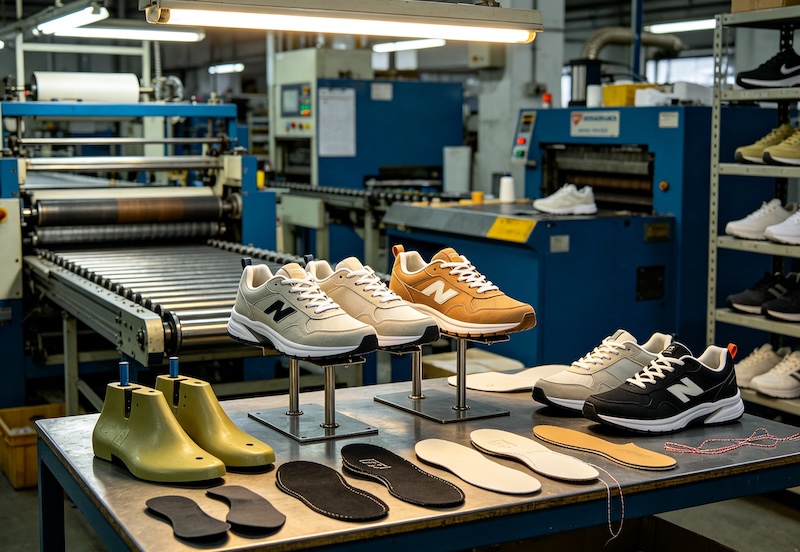
If you are looking for sports shoes, Jinjiang is your destination. Located near Quanzhou in Fujian province, Jinjiang produces billions of pairs of shoes annually and is the birthplace of top domestic Chinese sports brands like ANTA, Xtep, and 361 Degrees.
What Jinjiang Excels At
- Athletic and Sports Shoes: Sneakers, running shoes, basketball shoes, and tennis shoes are the lifeblood of Jinjiang.
- Casual Sneakers and Skate Shoes: The factories here are experts in vulcanized shoes (like canvas skate shoes) and injection-molded soles.
- EVA Slippers and Sandals: Jinjiang is a major producer of lightweight EVA foam footwear, including slides and clogs.
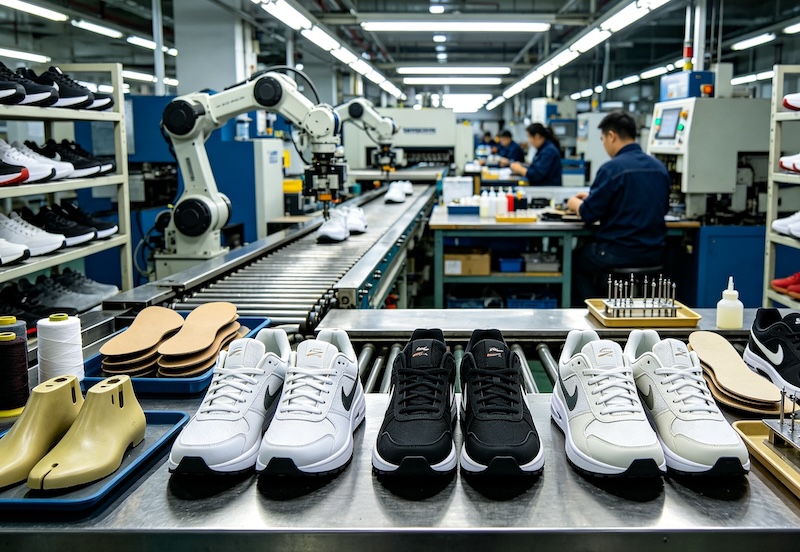
- Advanced Materials and Tech: Compared to Wenzhou, Jinjiang factories often utilize more advanced manufacturing techniques, such as fly-knitting (woven uppers), TPU support structures, and specialized shock-absorbing sole technologies.
Jinjiang Sourcing Tips
Jinjiang factories are well-versed in working with international brands and often maintain higher standards for sports performance testing. When sourcing here, focus on the quality of the outsoles and the breathability of the upper materials.
General Best Practices for Sourcing Footwear in China
Whether you choose Wenzhou or Jinjiang, keep these crucial steps in mind:
1. Managing MOQs (Minimum Order Quantities)
Footwear MOQs are typically based on the production of a single style in a single color. Standard MOQs often range from 800 to 1,500 pairs per color. If you are a startup, look for suppliers with stock designs who might accept lower MOQs (e.g., 300 pairs) by simply changing the logo (private labeling).
2. The Importance of Molds (Lasts)
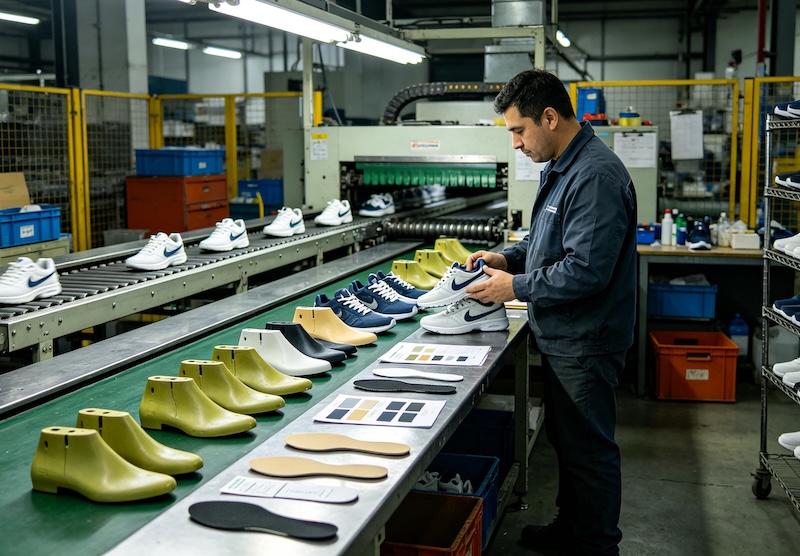
The “last” is the 3D mold upon which a shoe is constructed. Developing custom lasts and sole molds can be expensive (ranging from hundreds to thousands of dollars). To save costs, try to utilize the factory’s existing “open molds” and customize the upper materials and colors instead.
3. Rigorous Quality Control
Footwear requires strict QC. Common issues include excess glue marks, asymmetrical stitching, and poor sole bonding. Always conduct inline inspections during production and a final pre-shipment inspection. Ensure factories perform flex testing and bond strength testing.
Conclusion
Understanding the distinct manufacturing ecosystems of Wenzhou and Jinjiang is the first step to building a successful footwear supply chain. By aligning your product requirements with the right hub—Wenzhou for fashion and PU shoes, Jinjiang for sneakers and athletic wear—you optimize your sourcing strategy. Working with an experienced partner like SourcePilot Global can help you bridge the gap, negotiate favorable MOQs, and ensure strict quality compliance.
Frequently Asked Questions
1. Should I source leather shoes from Wenzhou or Jinjiang?
For traditional men’s and women’s leather dress shoes, oxfords, or fashion boots, Wenzhou is the better choice. Jinjiang specializes primarily in sports shoes, sneakers, and casual athletic footwear.
2. How much does it cost to open a new shoe mold?
The cost varies wildly. A simple outsole mold might cost $500–$1,000 per size, while complex, multi-component sneaker molds can cost significantly more. If you are on a budget, it is highly recommended to use factories’ existing open molds.
3. Can I get a sample before placing a bulk order?
Absolutely. You should never place a bulk order without approving a physical “golden sample.” Factories will usually charge a sample fee (often $50 to $200), which is typically refunded or deducted from your final bulk order invoice once mass production begins.