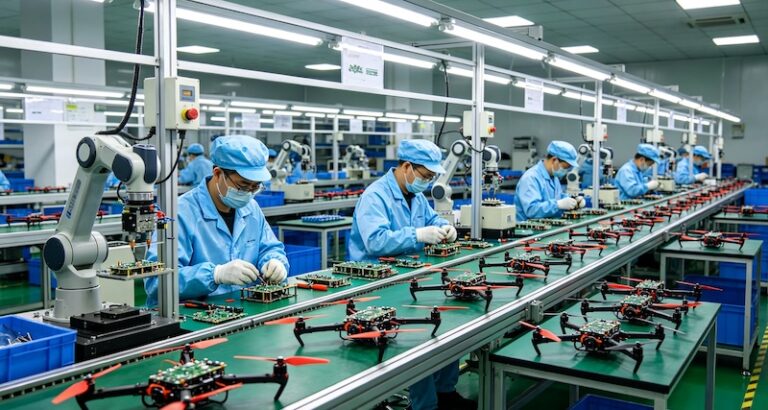
The global market for vapes and e-cigarettes is booming, and China remains the undisputed manufacturing hub for these products. Cities like Shenzhen produce the vast majority of the world’s vaping devices and e-liquids. However, sourcing vapes from China isn’t as simple as importing standard consumer electronics. The industry is highly regulated, and navigating the logistics and global compliance landscape requires careful planning and expertise.
In this comprehensive guide, we’ll explore the critical aspects of sourcing vapes and e-cigarettes from China, ensuring your supply chain remains efficient, legal, and profitable.
Understanding the Manufacturing Hub: Shenzhen
Shenzhen is often referred to as the “vaping capital of the world.” When sourcing vapes, you’ll almost certainly be dealing with manufacturers based in this region. This concentration of expertise offers several advantages:
- Innovation: Rapid prototyping and access to the latest vaping technologies.
- Scale: Ability to handle massive production runs efficiently.
- Supply Chain Integration: Proximity to component suppliers (batteries, coils, plastics).
However, due diligence is crucial. Not all manufacturers maintain the same quality standards or compliance certifications.
Global Compliance: The Biggest Challenge
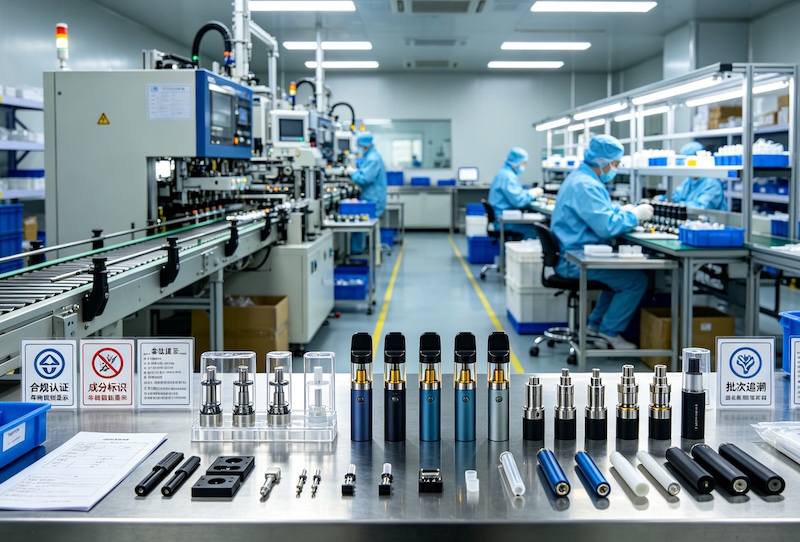
The most significant hurdle in the vapes and e-cigarettes industry is compliance. Regulations vary drastically from country to country and are constantly evolving.
1. US Market Compliance (FDA & PMTA)
If you are importing into the United States, you must comply with Food and Drug Administration (FDA) regulations.
* PMTA (Premarket Tobacco Product Application): This is a rigorous and expensive process required for any new vape product entering the US market. Ensuring your Chinese manufacturer has the necessary documentation or is willing to support your PMTA process is vital.
* PACT Act: Understand the implications of the Prevent All Cigarette Trafficking Act, which restricts the mailing of vape products and imposes strict tax and reporting requirements.
2. EU Market Compliance (TPD)
For the European Union, the Tobacco Products Directive (TPD) governs the sale and import of e-cigarettes.
* Tank Capacity: Limits on the size of e-liquid tanks (usually 2ml).
* Nicotine Strength: Maximum nicotine concentration limits (usually 20mg/ml).
* Notification: Products must be registered via the EU Common Entry Gate (EU-CEG) six months before being placed on the market.
3. Other Regional Regulations
Always research the specific regulations of your target market. Many countries have outright bans on vapes, while others heavily restrict flavors or advertising.
Logistics and Shipping for Vapes
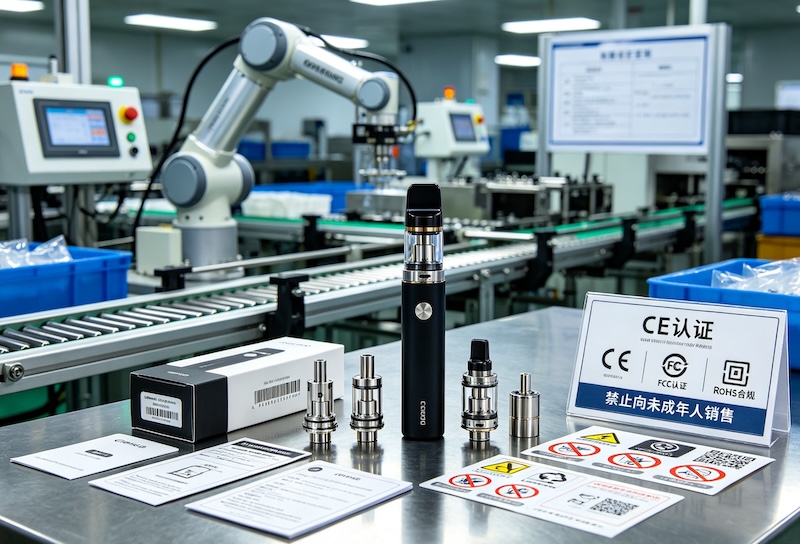
Shipping vapes and e-cigarettes from China is more complex than standard freight due to the presence of lithium-ion batteries and, often, nicotine liquids.
Battery Regulations (Dangerous Goods)
Vapes containing built-in batteries are classified as Dangerous Goods (DG) for transport (usually UN3481 – Lithium ion batteries contained in equipment).
* Documentation: You must provide accurate Material Safety Data Sheets (MSDS) and UN38.3 test reports for the batteries.
* Carriers: Not all freight forwarders or couriers accept DG shipments. You must work with a logistics partner experienced in handling battery shipments.
E-liquid Shipping Restrictions
Shipping e-liquids, especially those containing nicotine, can also face restrictions. Nicotine is considered a toxic substance in some shipping contexts, requiring specialized handling and documentation.
Choosing the Right Shipping Method
- Air Freight: Faster but more expensive. It’s often subject to stricter DG regulations and potential delays due to battery inspections.
- Sea Freight: More cost-effective for large volumes but slower. It is generally the preferred method for bulk orders of vapes, provided proper DG declarations are made.
Quality Control (QC) and Inspections
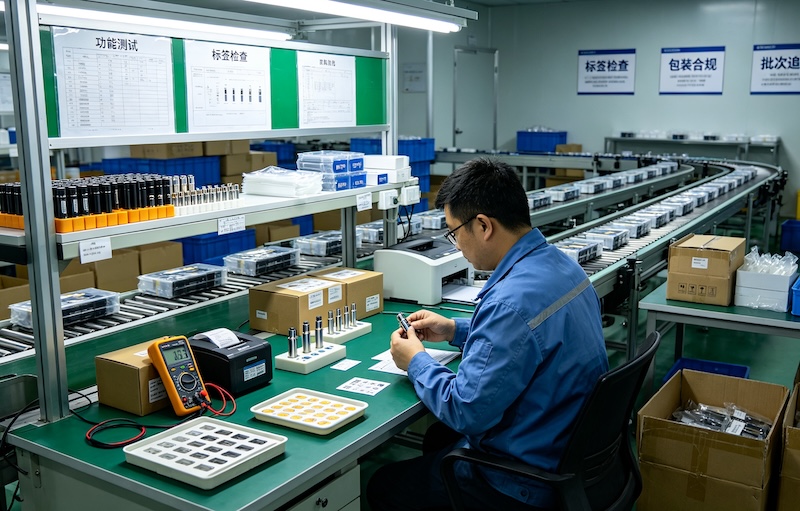
Given the safety concerns associated with lithium batteries and inhalation products, robust Quality Control is non-negotiable.
- Factory Audits: Conduct thorough audits of the manufacturer’s facility before placing an order to verify their Quality Management Systems (e.g., ISO 9001).
- Pre-Shipment Inspections: Hire a third-party inspection agency to check the products before they leave the factory. They should verify functionality, battery safety, and packaging compliance.
Frequently Asked Questions
Do I need a special license to import vapes from China?
Yes, in many jurisdictions. For example, importing into the US often requires dealing with FDA regulations and potentially obtaining specific state-level tobacco/vapor licenses. Always consult with a customs broker or legal expert in your target country.
Can I ship vapes via standard air express (like DHL or FedEx)?
Shipping vapes via express couriers is increasingly difficult due to their strict policies on tobacco products and lithium batteries. You usually need pre-approval, specialized accounts, and must use specific DG shipping services, which are often more expensive and have limited routing options.
What happens if my vape shipment is seized at customs?
If your shipment lacks proper compliance documentation (like TPD registration in the EU or FDA compliance in the US), it can be seized, delayed, or destroyed by customs. You may also face fines. This underscores the critical importance of ensuring full compliance before shipping.