Smartwatches, fitness bands, and other wearables combine three compliance challenges at once: wireless radio certification, lithium battery safety, and skin-contact material regulations — since these products are worn directly against skin for extended periods.
Radio and Connectivity Certification
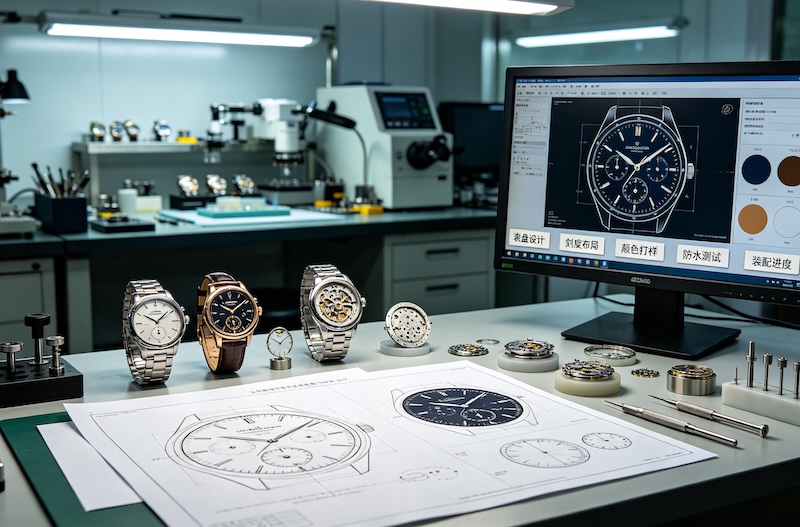
Any Bluetooth or Wi-Fi enabled wearable needs FCC certification for the US and CE/RED (Radio Equipment Directive) for the EU. Shenzhen wearable factories almost always use pre-certified Bluetooth modules, which simplifies your own certification since the radio component is already approved — you’re mainly certifying the finished device assembly.
Battery and Charging Safety

Wearables use small lithium-polymer cells, which still require UN38.3 testing for shipping and, for the US market, UL 2054 or IEC 62133 battery safety certification. Wireless charging components add an additional layer — confirm Qi certification if you’re marketing wireless charging as a feature.
Skin-Contact Material Compliance
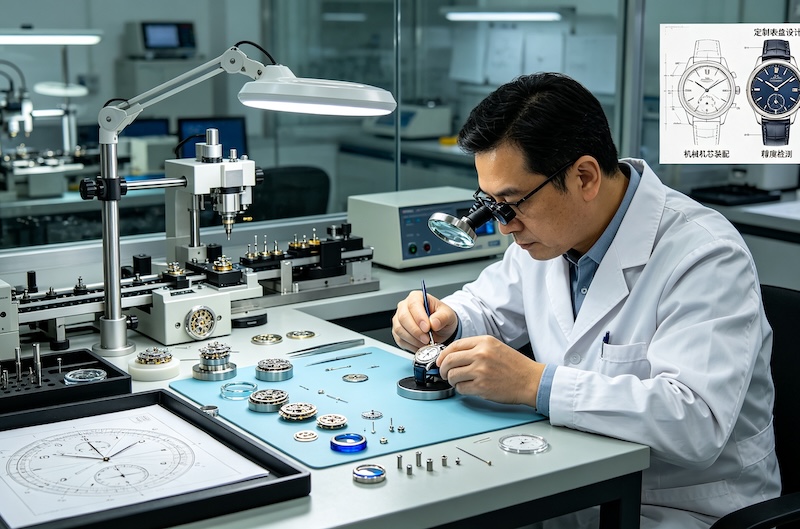
Watch bands and device housings that touch skin for extended periods should be tested for nickel release (especially relevant in the EU under REACH) and general skin sensitization. This is frequently overlooked by importers focused only on electronics compliance, but it’s a real liability and return-rate issue — cheap metal buckles are a common source of skin irritation complaints.
Frequently Asked Questions
Is FCC certification enough, or do I also need CE for wearables?
You need both if you’re selling in both markets — FCC covers the US, CE (specifically the RED directive) covers the EU. They test different things and neither substitutes for the other.
Do I need separate battery certification if the cell itself is already UN38.3 tested?
Yes. UN38.3 covers safe transport; UL 2054/IEC 62133 covers safety of the battery as used in the finished product. Both are typically required.
How common is nickel allergy an issue with wearable devices?
Common enough that EU REACH sets a specific nickel release limit for any product in prolonged skin contact. It’s worth testing metal components even if your primary compliance focus is electronics.