If you are serious about sourcing products from China, relying solely on emails or platform messaging systems like Alibaba is not enough. To truly build relationships, negotiate effectively, and get real-time updates, you need to master WeChat sourcing. WeChat is the lifeblood of Chinese business communication. This guide will show you how to leverage WeChat to communicate effectively with Chinese suppliers.
Why WeChat is Essential for Sourcing
In China, email is rarely used for daily business communication. WeChat is the ubiquitous app for everything from messaging and sharing files to making payments.
- Speed and Responsiveness: Suppliers reply much faster on WeChat than via email.
- Relationship Building (Guanxi): WeChat is a more personal platform. Sharing moments and having informal chats helps build trust and rapport, which is crucial in Chinese business culture.
- Media Sharing: It’s incredibly easy for suppliers to send you quick photos or videos of the production line or product samples directly from the factory floor.
Setting Up Your Professional WeChat Profile
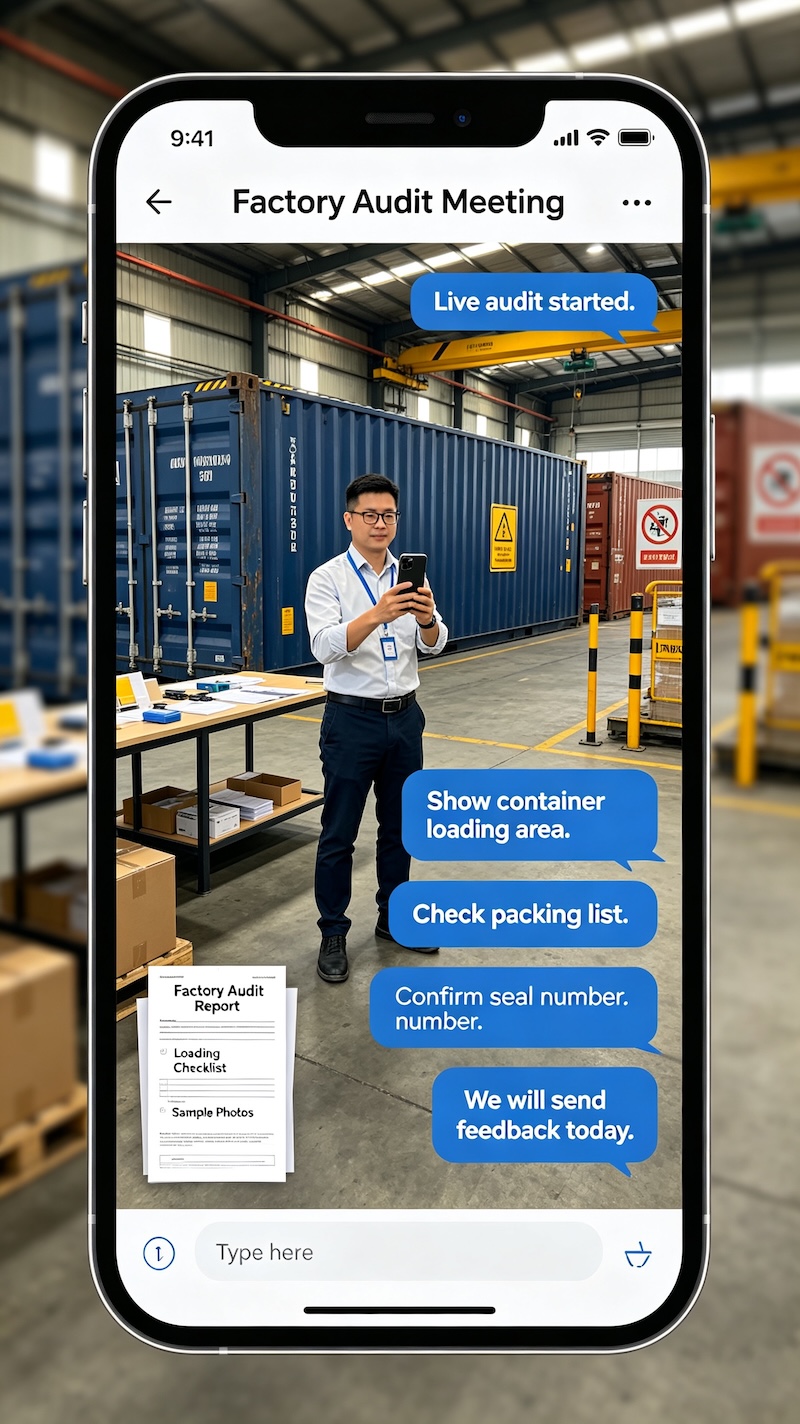
Before you start adding suppliers, ensure your profile looks professional and trustworthy.
- Real Photo: Use a clear, professional headshot as your profile picture.
- Clear Name: Use your real name and your company name (e.g., John Doe – XYZ Corp).
- Privacy Settings: Consider allowing suppliers to see your “Moments” (similar to a Facebook feed) to show you are a real person with a real life and business, which builds trust.
Best Practices for WeChat Sourcing Communication
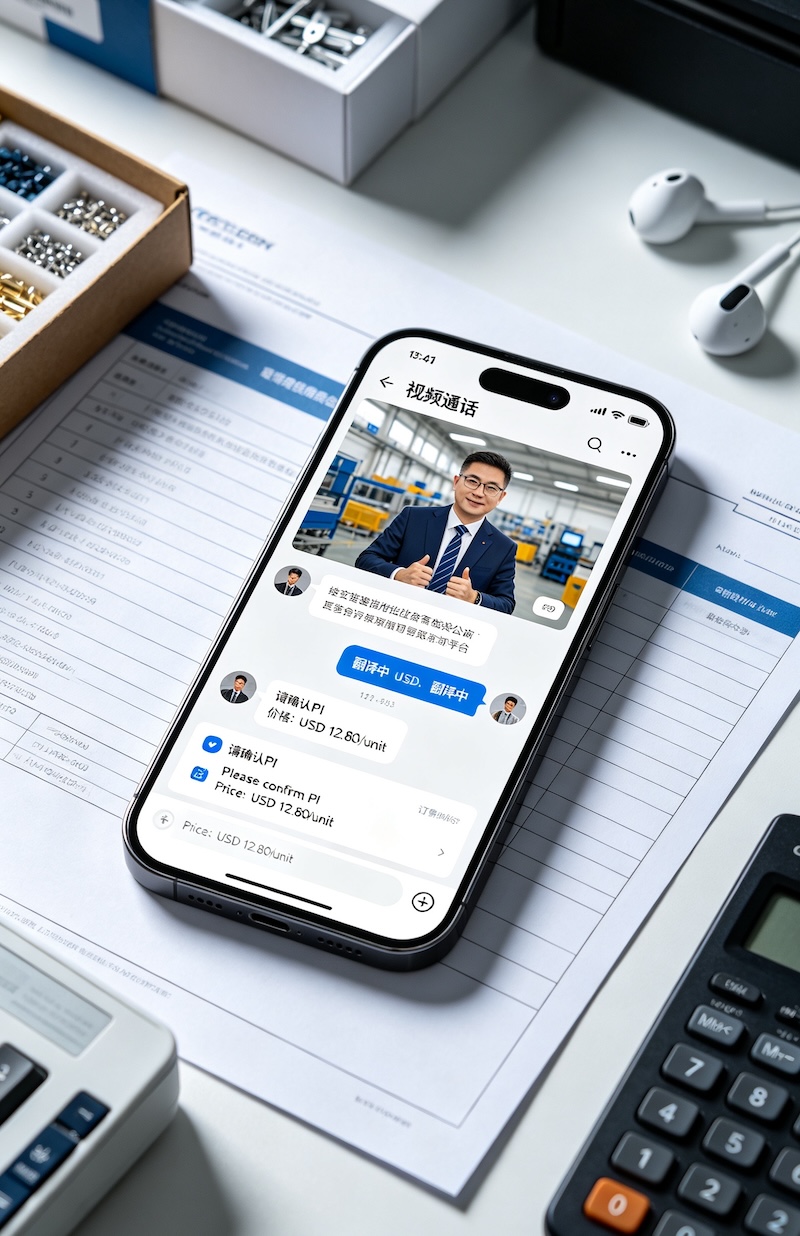
1. Use Simple and Clear English
Avoid slang, idioms, or overly complex sentences. Many suppliers use translation tools built into WeChat, and simple English translates much more accurately.
2. Be Mindful of Time Zones
Remember the time difference (China Standard Time is UTC+8). Messaging a supplier during their middle of the night and expecting an immediate response is unrealistic. Aim for their working hours or early evening.
3. Keep Things Organized
WeChat can get cluttered quickly. Use WeChat’s tag feature to categorize your contacts (e.g., “Electronics Suppliers,” “Packaging,” “Freight Forwarders”). When discussing specific orders, always reference the PO number or specific product name clearly to avoid confusion.
4. Transitioning from Alibaba to WeChat
Don’t ask to move to WeChat in your very first message on Alibaba, as it can seem suspicious. Establish initial contact, confirm they have what you need, and then suggest moving to WeChat for “faster communication and to share videos of the product.”
Translating and Sending Files
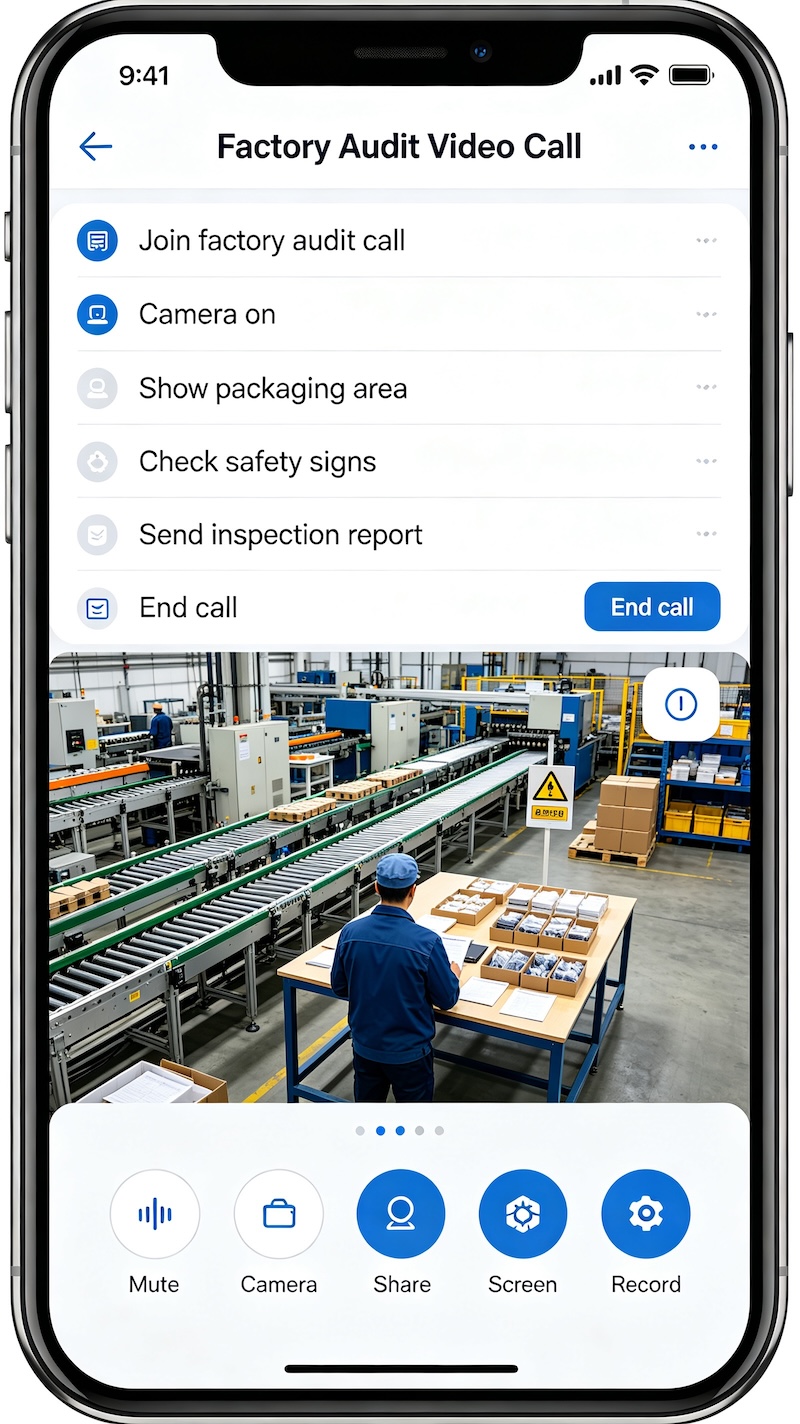
WeChat has an excellent built-in translation feature. Simply long-press a Chinese message and tap “Translate.” However, be aware that technical terms might not always translate perfectly. When sending important specifications or POs, it’s still best to send a formal PDF document via WeChat or email, using WeChat to notify them that the document has been sent.
Frequently Asked Questions
Is it safe to pay suppliers via WeChat Pay?
For small sample fees, WeChat Pay can be convenient if you have it set up. However, for large bulk orders, you should always use formal business payment methods like Telegraphic Transfer (T/T) to the company’s official bank account or Alibaba Trade Assurance.
How do I add a supplier on WeChat?
You can search for their phone number (which is often their WeChat ID) or scan their unique WeChat QR code if they provide it. Always confirm their identity when adding them.
Can WeChat be used for binding contracts?
While WeChat chat logs can be used as supplementary evidence in disputes, you should always have a formal, signed Purchase Order or manufacturing contract (ideally in both English and Chinese) to protect your business.