Private labeling from China is the underlying business model for thousands of brands you’ve seen on Amazon, Shopify, and retail shelves — from wellness supplements to kitchen gadgets to pet accessories. The model is straightforward: a Chinese manufacturer produces a product; a brand owner adds their identity through branding, packaging, and positioning; the product is sold to consumers at a brand premium.
The mechanics are accessible. The execution — at a level that creates a defensible business rather than an undifferentiated commodity listing — is more demanding than most guides suggest.
この記事では、プライベートブランド化のプロセス全般について解説します。具体的には、その具体的な内容、かかる費用、多くのブランド構築者が失敗するポイント、そして正しい進め方について取り上げます。
「プライベートブランド」とは実際には何を意味するのか
「プライベートブランド」とは、自社で製造していない製品に自社のブランド名を付けることを指します。これは、以下のものとは異なります:
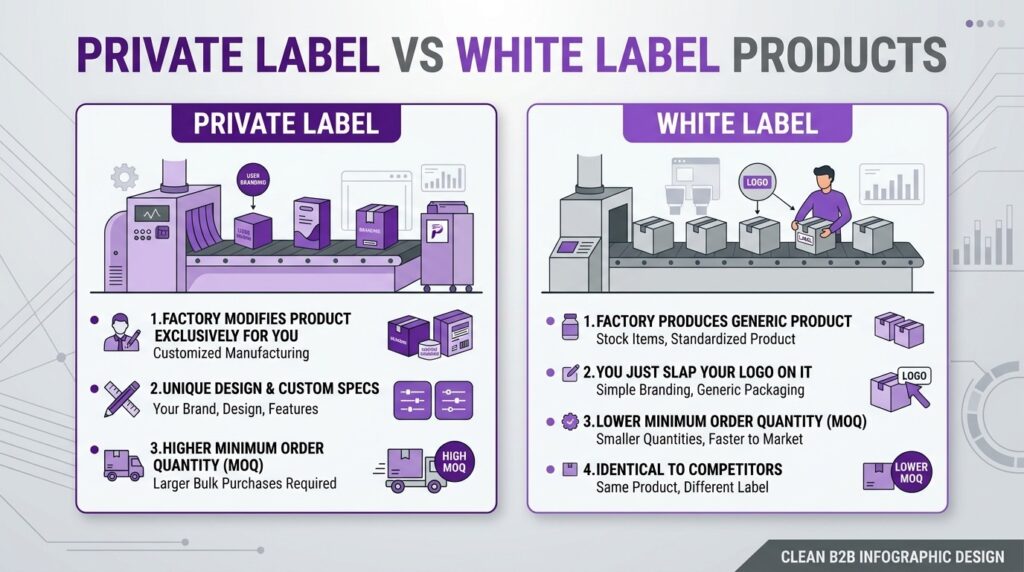
ホワイトラベル: You buy a standard product from a factory’s existing lineup and put your logo on it with minimal or no customization. Fastest and cheapest — also easiest to copy.
プライベートブランド: You take an existing product design and customize it — different color, different feature set, different packaging, sometimes different materials — to create a product that’s meaningfully differentiated from the factory’s standard offering.
OEM(オリジナル・エクイップメント・マニュファクチャリング): お客様が設計仕様を提示し、工場がその仕様に基づいて製造を行います。投資額が大きければ大きいほど、差別化も高まります。
ODM(オリジナル・デザイン・マニュファクチャリング): 自社が達成したい目標を工場側に伝え、工場側が製品の設計・製造を行う。投資額は最も大きく、差別化効果も最も高い。
Most entry-level China private labeling is white label with branding — it gets labeled private label, but functionally it’s your logo on an existing factory product. This is a viable starting point but is the most commoditized end of the spectrum. Sustainable private label businesses typically move toward genuine OEM or ODM as they scale.
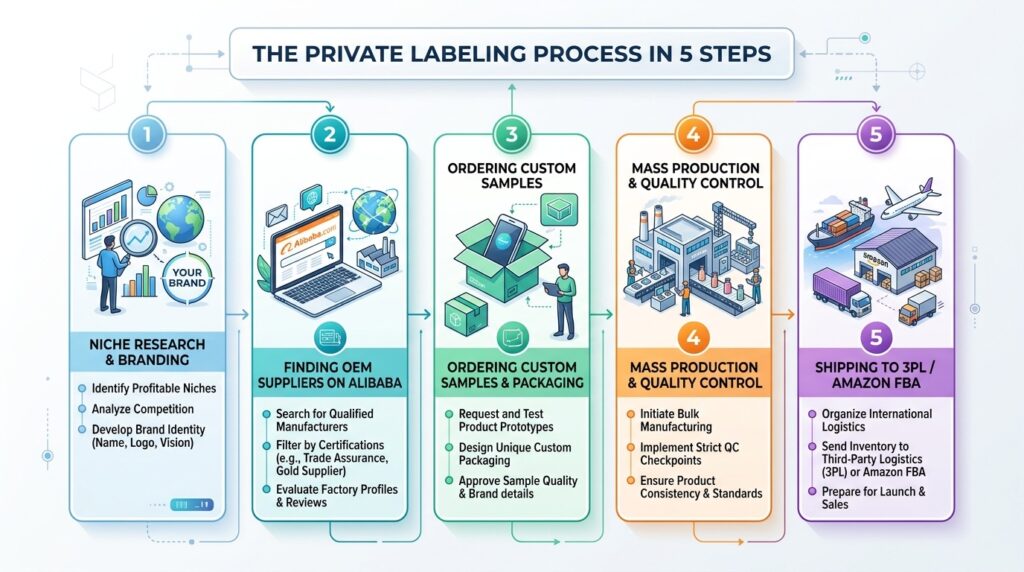
Step 1: Product Selection — The Decision That Determines Everything
プライベートブランド事業における最も一般的な失敗は、工場に連絡を取る前の段階で起こります。それは、競合他社との差別化要因を理解せずに、市場規模だけを基準に商品を選定してしまうことです。
製品選定の枠組み:
Step A — Identify demand: その商品はどのような問題を解決するのでしょうか?一貫した検索需要はありますか(Jungle Scout、Ahrefs、Google Trendsなどのキーワードツールで確認できますか)?季節的な需要ですか、それとも通年的な需要ですか?
Step B — Analyze current offerings: What are the top-selling products in this category? Read reviews — specifically 3-star reviews that articulate specific frustrations. “Would be perfect if only…” complaints are your product brief.
Step C — Identify your differentiation: あなたのバージョンには、具体的にどのような改善点を盛り込むことができますか?それは以下の条件を満たすものでなければなりません:
— 製造可能(中国の工場で実際に製造できる)
— 購入者に明確に伝わる(商品ページからその改善点が理解できる)
— レビュー数が10,000件以上の有力な競合他社によって、まだ実施されていないこと
Step D — Validate unit economics: この商品を、プラットフォーム手数料、フルフィルメント費用、マーケティング費用を差し引いた後も十分な利益率を確保できる着荷コストで調達することは可能ですか?サプライヤーに連絡する前に、これを算出してください(着荷コストの算定方法については第29条を参照)。
ステップ2:適切な工場の種類を見つける
Private label sourcing requires a factory that does OEM work — not just a trading company that sells standard products.
注目すべき点:
OEMの実績: 率直に尋ねてみましょう。「OEMの受託は行っていますか?他ブランド向けに製造したOEM製品の実例を見せていただけますか?」OEMに経験豊富な工場であれば、ブランドのパッケージング要件を理解しており、貴社のテクニカルパックや仕様書に基づいて作業を行い、実際に「ホワイトラベル」のカスタマイズがどのようなものかを把握しています。
最小ロット数の整合: OEM runs for private label typically start at 200–500 units for simple products, 500–2,000 for products requiring custom molds or tooling. Know your planned first-run quantity before supplier discussions so you can immediately filter out factories whose MOQs are incompatible.
製品カテゴリーの専門分野: The factory should specialize in your product category. A factory that makes “all kinds of products” is almost certainly a trading company. A factory that makes specifically food storage containers, or specifically silicone kitchen tools, or specifically cosmetic packaging — that specialization signals genuine manufacturing capability.
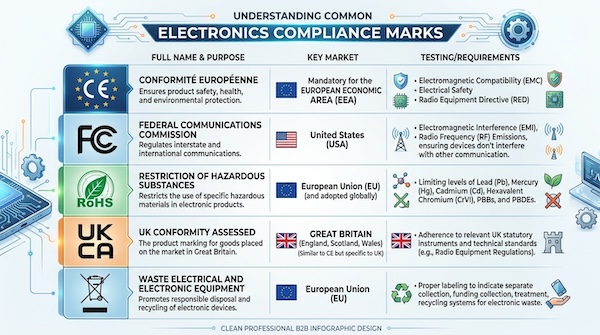
認定資格: For regulated product categories, the factory must already hold relevant certifications (FDA registration, CE testing history, REACH compliance). OEM work doesn’t change the compliance requirements — the certification must apply to your product.
Step 3: Customization — What You Can Actually Change
ロゴの使用例: Printing, embossing, debossing, screen printing, heat transfer, laser engraving. Most factories can do this with no tooling cost for flat-surface applications; 3D molded logos require tooling ($150–500 typically).
色: Many products can be produced in custom colors with Pantone reference. Color matching adds a sample round (2–3 weeks) but no tooling cost for most materials. For injection-molded plastics, each color requires a separate material mix — usually no additional tooling, but minimum quantity per color applies.
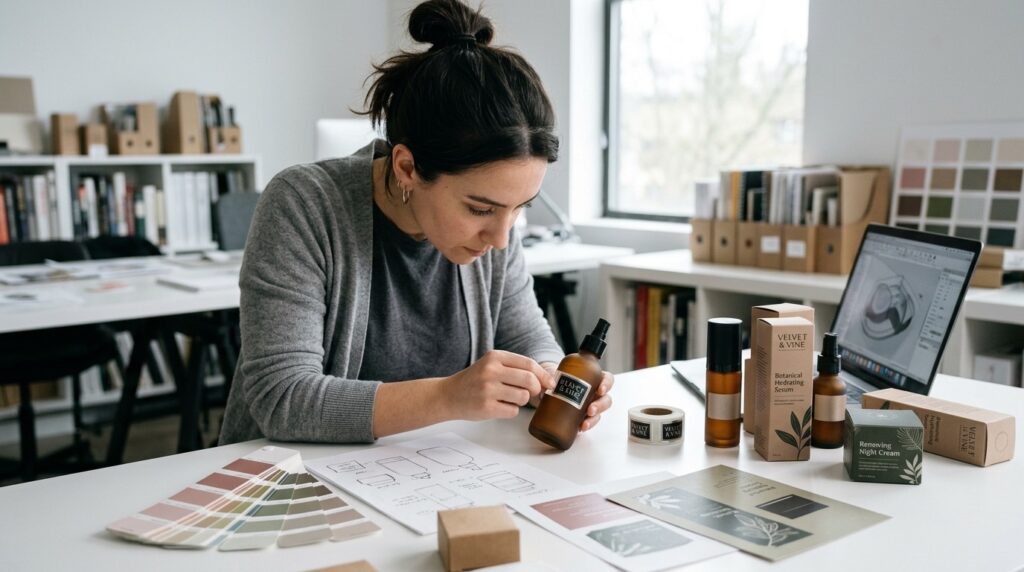
パッケージ: This is often more important than product customization for brand building. Custom branded boxes, labels, inserts, tissue paper, hangtags — all customizable with your artwork files. Your packaging supplier may be separate from your product factory; a sourcing agent can coordinate both.
製品の改造(純正OEM): 機能の追加(容器の蓋への目盛り表示)、寸法の変更(取っ手の長さ、ボトルの容量)、部品の削除、あるいは材質の変更など。これらは、(大幅な変更の場合は)工場の技術部門の関与が必要となるか、あるいは(既存の金型内で寸法を変更する場合など)単に仕様の改訂で済む場合があります。
特注金型・治具(ODM): Creating a unique product shape requires new tooling — typically $500–3,000 for simple plastic molds, $3,000–15,000 for complex shapes or metal tooling. Tooling is owned by the factory unless you negotiate and pay for tooling ownership transfer — which matters if you ever want to move production to another factory.
ステップ4:ブランディングおよびパッケージングに関する要件
プライベートブランドにおいて、パッケージはブランドコミュニケーションの主要な手段です。そのため、パッケージについては正確に仕様を定める必要があります:
工場や包装業者に提出すべきもの:
— ベクター形式のロゴファイル(AI、EPS、SVG)
— ブランドカラー(パントンおよびCMYK)
— 印刷用データ形式のパッケージデザイン(裁ち代とトリミングマークを含むPDF)
— 表面仕上げの仕様(マット、光沢、ソフトタッチ、スポットUV)
— 構造仕様(箱の寸法、閉鎖方式、インサートの設計)
— 必要な規制上の記載事項(原産国、素材、お手入れ方法、バーコード)
梱包費用(500個ロット):
– Simple kraft box with 1-color print: $0.20–0.40/unit
– Custom printed mailer box (4-color): $0.45–0.80/unit
– Rigid gift box with magnetic closure: $1.20–2.50/unit
– Printed tissue paper: $0.08–0.15/sheet
– Custom label (for bottles/jars): $0.05–0.15/label
ステップ5:プライベートブランド向けのサンプル作成プロセス
プライベートブランドのサンプルは、各カスタマイズ要素を確認する必要があるため、通常の製品調達よりも多くの工程を経ることになります:
Round 1 — Blank sample: 工場からは、ご希望の仕様(サイズ、素材、基本機能)に合致した既存の製品が、ブランドロゴなどを一切付けずに送付されます。目的:お客様が適切なベース製品を選択したことを確認するためです。
Round 2 — Branded proto: 工場では、無地の製品に貴社のロゴやブランドマークを印刷します。目的:ブランドマークの配置、印刷品質、および色の正確性を確認するためです。
Round 3 — Packaging proto: 梱包材が届きます(外装の場合、製品メーカーとは別便で届きます)。目的:箱の寸法、印刷の正確さ、および製品が箱に収まるかどうかを確認するためです。
Round 4 — Full OEM sample: Product with branding, in packaging. This is your pre-production approval sample. Approve in writing — this becomes the Golden Sample for all QC.
Timeline: 6–10 weeks from brief to approved full OEM sample for straightforward products. Products requiring new molds add 3–4 weeks for tooling.
Step 6: First Production Run — What to Get Right
検査を手を抜いてはいけません: OEM生産の初回ロットは、リスクが最も高くなります。承認済みのサンプルは入念に製造されていますが、量産品は時間的プレッシャーのもと、大量生産担当の作業員によって製造されます。初回ロットにおいては、独立した第三者機関による出荷前検査は必須です。詳しくは当社の 出荷前検査ガイド.
適切な数量をご注文ください: Enough to validate demand without overcommitting. For Amazon or Shopify validation, 300–500 units is usually sufficient for a 60–90 day test. Over-ordering before validation is how brands get stuck with $15,000 of inventory for a product that doesn’t convert.
再注文のタイミングを計画しましょう: With a 60–75 day production + shipping cycle, you need to place your reorder when you have approximately 45 days of inventory remaining. Calculate this before the first order arrives.
投資要件:プライベートブランドの実質的なコストとは
| 予算水準 | 得られるもの |
|---|---|
| $2,000–5,000 | White label (logo only), simple packaging, 200–300 units, basic inspection |
| $5,000–15,000 | True private label with custom packaging, product color/feature modification, 300–600 units, full inspection |
| $15,000–40,000 | OEM with meaningful product differentiation, premium packaging, 500–1,500 units, compliance testing, inventory buffer |
| $40,000+ | ODMによるカスタム製品設計、包括的な認証取得、ブランド立ち上げ用在庫 |
Most successful private label brands start in the $5,000–15,000 range for initial product validation and scale investment once demand is confirmed.
プライベートブランドにおけるよくある失敗例
差別化要素のない製品を選ぶこと: 他の200人の販売者と全く同じ商品に、自社のロゴを入れたホワイトラベル商品。価格と広告だけで競争することになり、持続可能な優位性はありません。
パッケージングの仕様不足: 仕様ではなくアイデアを提示する。工場では、あなたが意図していなかったものが生産されてしまい、作り直すにはコストと時間がかかる。
検査を省略する: 初回生産分の品質が、承認済みのサンプルと一致していません。この事実は、Amazon FBAからの返品が届き始めてから判明します。
初回生産時の過剰発注: 売れ行きの悪い商品が2,000個。売れ残って在庫として滞留し、資金が拘束されている。
金型を所有していないこと: カスタム金型の製作費を支払ったにもかかわらず、金型の所有権に関する契約を結んでいない場合、その金型の所有権は工場側に帰属します。もし関係が悪化した場合、金型製作費を再度支払わない限り、その設計を他社に持ち出すことはできません。
関連記事 → 中国のメーカーから製品サンプルを入手する方法
関連記事 → 中国における出荷前検査:検査対象項目
中国からプライベートブランド商品を発売する準備はできていますか? Our team manages the full private label process — factory sourcing, branding coordination, quality control, and shipping.