中国からの中小規模の調達取引においては、信用状(LC)はT/T(電信送金)による支払いほど一般的ではありませんが、大口注文や新規サプライヤーとの関係構築、あるいは買い手と売り手の間にまだ信頼関係が築かれていない状況においては、依然として非常に有用な手段です。
信用状の仕組み
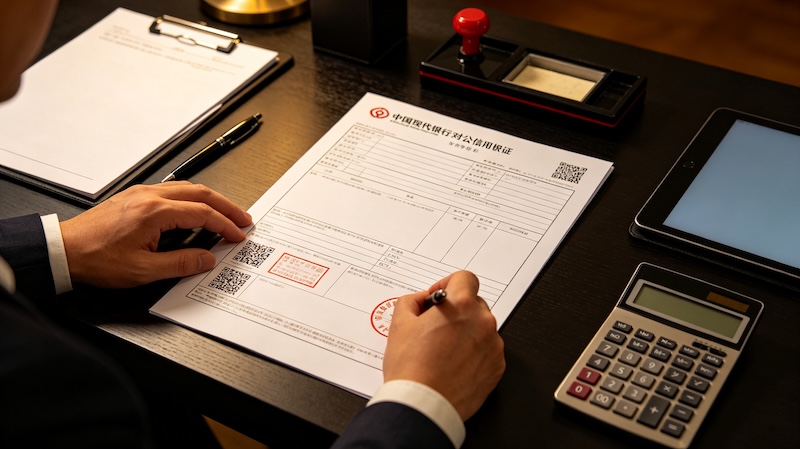
Your bank issues a formal guarantee to pay the supplier a specific amount, provided the supplier presents specific documents (like a bill of lading, commercial invoice, and packing list) proving they’ve shipped the goods as agreed. This shifts payment risk from a simple trust-based arrangement to a bank-guaranteed, document-based process — the supplier gets paid once they prove shipment, and you get contractual protection built around document compliance.
LCとT/T:それぞれが適している場合
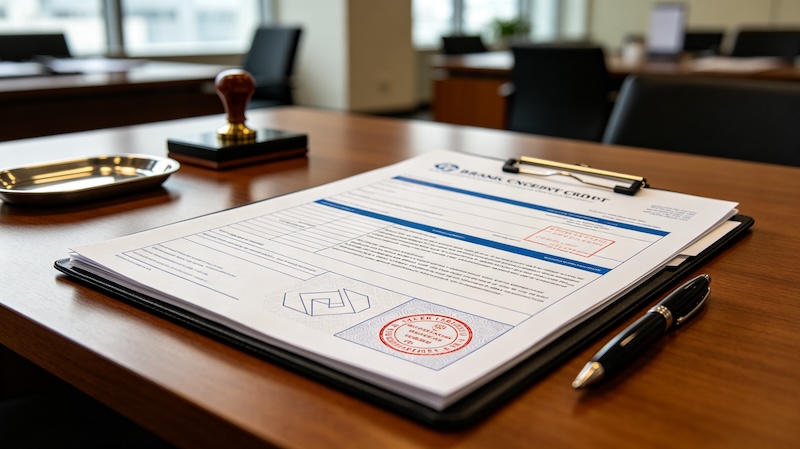
T/T(電信送金)は、通常、生産前の頭金と出荷前の残金に分けて支払われます。この方法は手続きが簡便で費用も安く(銀行手数料が低い)、信頼関係が築かれている既存のサプライヤーとの取引に適しています。一方、LC(信用状)は、初回の大口注文やリスクの高いサプライヤーとの関係、あるいは自社のバイヤーや投資家がリスク管理のためにより正式な支払書類を要求する場合などに適しています。
信用状に関するよくある落とし穴
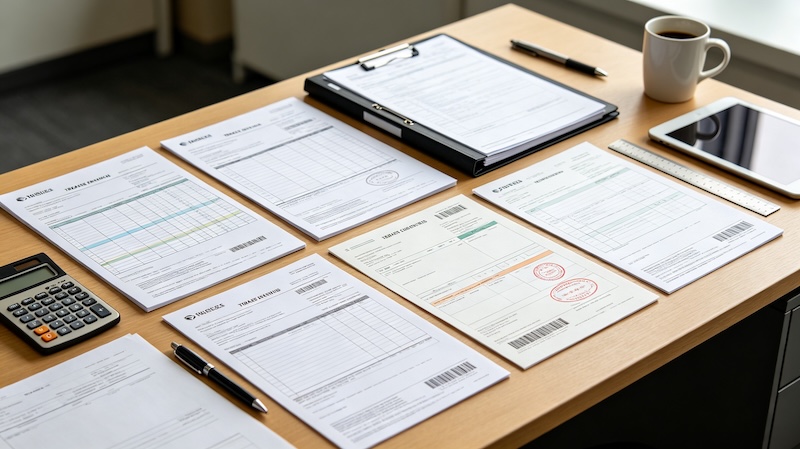
LCs are strictly document-based — banks pay based on paperwork matching the LC terms exactly, not on whether the actual goods match your expectations. A classic risk: the supplier presents fully compliant documents and gets paid, but the actual shipped goods don’t match your quality expectations. This is why an LC should be paired with pre-shipment inspection, not treated as a substitute for quality verification.
よくある質問
信用状は電信送金よりも費用がかかりますか?
はい、LC(信用状)では、発行側と受取側の双方に銀行手数料が発生しますが、その手数料は通常、通常の電信送金手数料よりも高額です。これが、LCが主に高額またはリスクの高い取引に利用される理由の一つとなっています。
信用状は、商品が良質であることを保証するのでしょうか?
No — LCs guarantee payment based on document compliance, not actual goods quality. Pair an LC with independent pre-shipment inspection for real quality assurance.
新規の取引先との取引において、LCは常にT/Tよりも安全なのでしょうか?
Generally yes for larger orders, since it adds a bank-verified documentation layer, but it’s not foolproof — always combine it with due diligence and inspection rather than relying on the LC alone.