Intellectual property risk is one of the most persistent worries for brands sourcing from China, and while the risk is real, it’s also manageable with the right contractual and procedural steps — most IP problems stem from skipping basic protections, not from an unavoidable feature of manufacturing in China.
NNN契約とNDAの比較

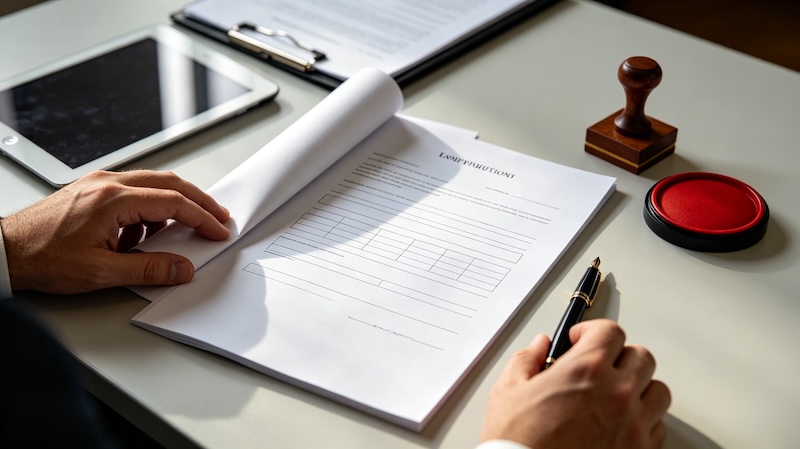
A standard Western-style NDA (Non-Disclosure Agreement) is often poorly enforceable in China. An NNN agreement — Non-Disclosure, Non-Use, Non-Circumvention — drafted in Chinese, governed by Chinese law, and enforceable in a Chinese court is the more effective tool. It specifically prevents the factory from using your design for other customers (non-use) and from going around you to sell directly to your customers or retailers (non-circumvention), which a basic NDA typically doesn’t address.
中国での商標および主要な知的財産権の登録
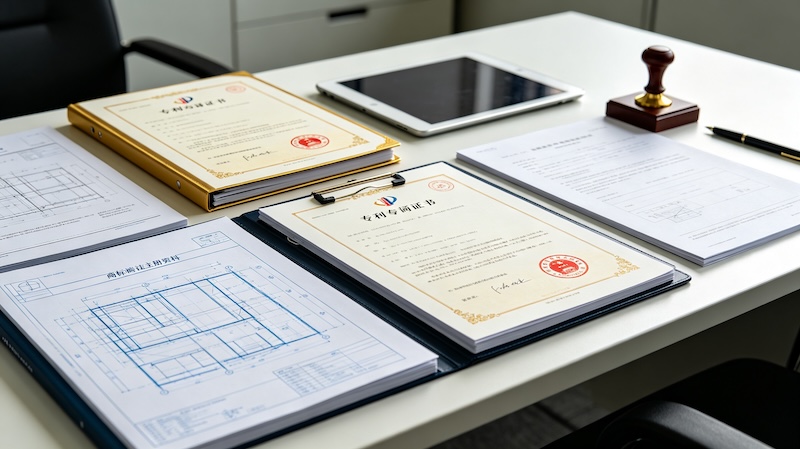
China operates on a first-to-file trademark system, meaning whoever files first generally wins the trademark rights, regardless of who used the mark first elsewhere. Registering your trademark in China — even if you have no immediate plans to sell there — is one of the cheapest and most effective protections against bad-faith trademark squatting or a factory registering your brand name themselves.
金型と治具を管理する
特注金型を必要とする製品の場合、契約書に金型の所有権を明確に規定しておく(工場に保管されている場合でも、金型の所有権は貴社にあることを明記する)ことで、工場が「貴社の」金型を使用して競合他社向けに貴社のデザインを製造することを防ぐことができます。金型に自社名やロゴを直接刻印するよう依頼することを検討し、金型が安全に保管され、貴社の注文にのみ使用されていることを定期的に監査してください。
よくある質問
中国で自社製品の設計を保護するには、標準的な秘密保持契約(NDA)だけで十分でしょうか?
Generally not sufficient on its own — an NNN agreement drafted specifically for Chinese enforceability offers meaningfully stronger protection than a Western-style NDA.
中国で商品を販売していない場合、中国で商標登録をする必要がありますか?
Yes, it’s strongly recommended given China’s first-to-file system — registering preemptively protects against trademark squatting even without current sales plans in China.
私が代金を支払ったカスタム金型が工場に保管されている場合、その金型の法的所有権は誰にあるのでしょうか?
This should be explicitly stated in your manufacturing agreement — without clear contractual language, ownership can become disputed, so always document mold ownership in writing.