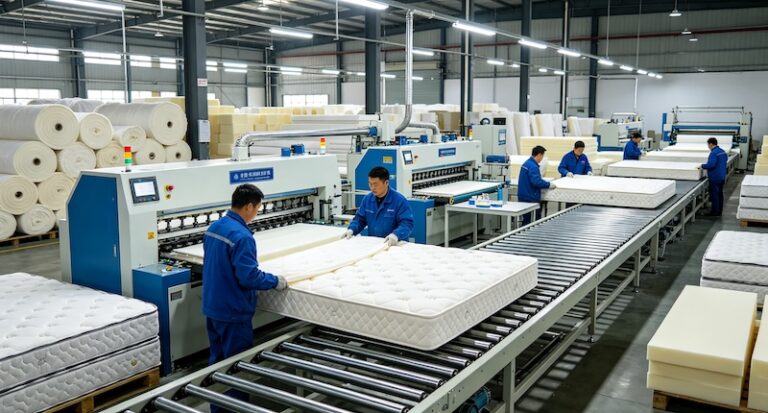
Importing goods from China can be a highly lucrative business model, but it comes with a strict set of regulations, particularly concerning product labeling. For EU and US importers, ensuring Chinese product label compliance is not just about translating text; it is about adhering to stringent safety, environmental, and consumer protection laws. Failing to comply can result in delayed shipments, seized goods, and hefty fines.
This comprehensive guide will help you decode Chinese product labels and understand the compliance requirements for both the European Union and the United States.
Why Product Label Compliance Matters
When customs officials inspect a shipment, the product label is often the first thing they check. A compliant label proves that the product meets the destination country’s safety and regulatory standards.
Key reasons to prioritize label compliance:
* Customs Clearance: Incorrect or missing labels are a primary cause for shipment delays at the border.
* Consumer Safety: Labels provide essential usage warnings and ingredient lists, protecting end-users.
* Brand Reputation: Recalls due to non-compliance can severely damage your brand’s trust in the market.
US Market Requirements: The Essentials
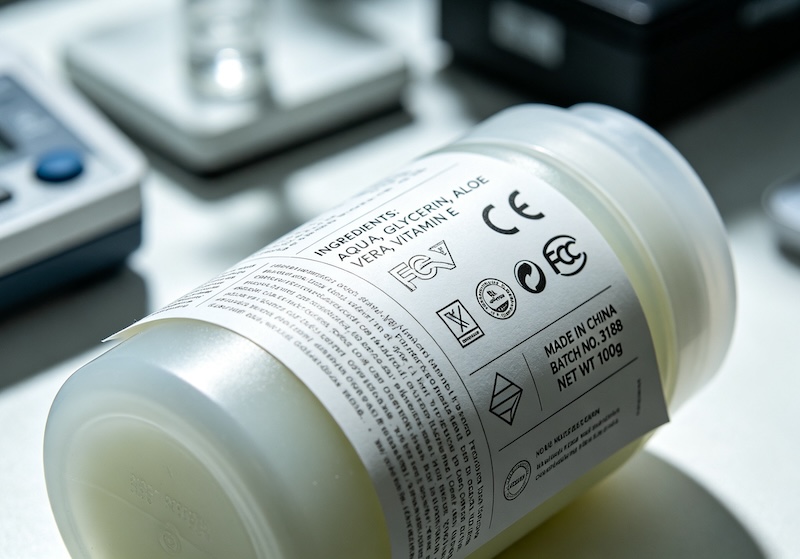
The United States has strict labeling laws enforced by agencies like Customs and Border Protection (CBP), the Federal Trade Commission (FTC), and the Consumer Product Safety Commission (CPSC).
1. Country of Origin
Every imported product must be clearly and permanently marked with its English name of the country of origin. For Chinese imports, this means a clear “Made in China” label. It must be visible to the ultimate purchaser.
2. FTC Labeling Rules
For textiles, clothing, and certain household items, the FTC requires:
* Fiber Content: Exact percentages of fibers used.
* Manufacturer Identity: The company name or Registered Identification Number (RN).
* Care Instructions: Clear washing and care symbols or text.
3. CPSC Requirements
For consumer products, especially children’s toys, the CPSC mandates tracking labels. These must include:
* Manufacturer or private labeler name.
* Location and date of production.
* Detailed information on the manufacturing process (e.g., batch or run number).
EU Market Requirements: Navigating CE and Beyond
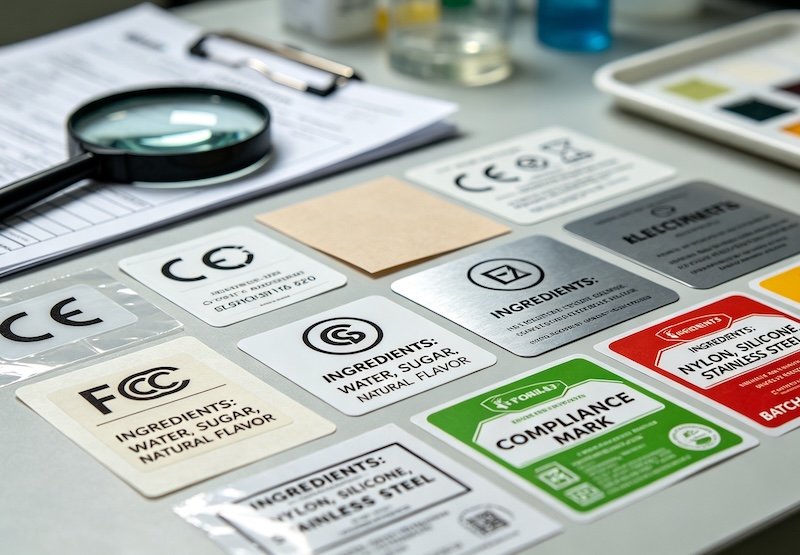
The European Union’s regulations are unified across member states but are notoriously rigorous.
1. The CE Mark
The Conformité Européenne (CE) mark is mandatory for many product categories, including electronics, toys, and medical devices.
* It signifies that the product complies with EU health, safety, and environmental protection directives.
* The CE mark must be affixed visibly, legibly, and indelibly to the product or its data plate.
2. WEEE Directive
For electrical and electronic equipment, the Waste Electrical and Electronic Equipment (WEEE) symbol (a crossed-out wheeled bin) is required. This indicates that the item should not be disposed of as unsorted municipal waste.
3. Importer Details
Under EU market surveillance regulations, the importer’s name, registered trade name or trademark, and postal address must be present on the product or, where that is not possible, on its packaging or in a document accompanying the product.
How to Work with Chinese Suppliers on Labeling
Chinese manufacturers often produce goods for various global markets, meaning they might not be up-to-date on the specific requirements for your country.
- Provide Clear Artwork: Do not leave the label design up to the factory. Provide them with exact design files (e.g., Adobe Illustrator) containing all required symbols and text.
- Specify Placement and Materials: Detail exactly where the label should go and what material it should be made of (e.g., sewn-in tag, adhesive sticker, laser engraving).
- Pre-Shipment Inspections: Hire a third-party quality control agency in China to verify the labels before the goods are loaded onto a container.
Conclusion
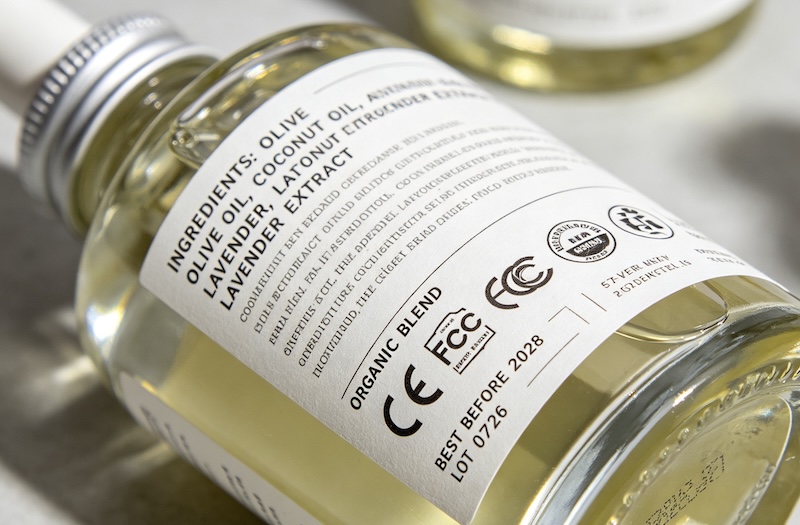
Mastering Chinese product label compliance is a critical step for any successful importer. By understanding the specific requirements of the US and EU markets and proactively managing your suppliers, you can ensure smooth customs clearance and build a reputable brand. Always consult with legal and compliance experts when expanding into new product categories to stay ahead of changing regulations.
Frequently Asked Questions
What does ‘Made in China’ labeling require for the US?
The US requires that imported goods be clearly and permanently marked with ‘Made in China’ in English, visible to the ultimate purchaser.
What is the CE mark required for EU imports?
The CE mark indicates that a product complies with EU health, safety, and environmental protection directives. It is mandatory for electronics, toys, and other specific categories.
How can I ensure my Chinese supplier uses the correct label?
Provide clear design files, specify exact label placement and materials, and conduct pre-shipment inspections using third-party services to verify compliance.