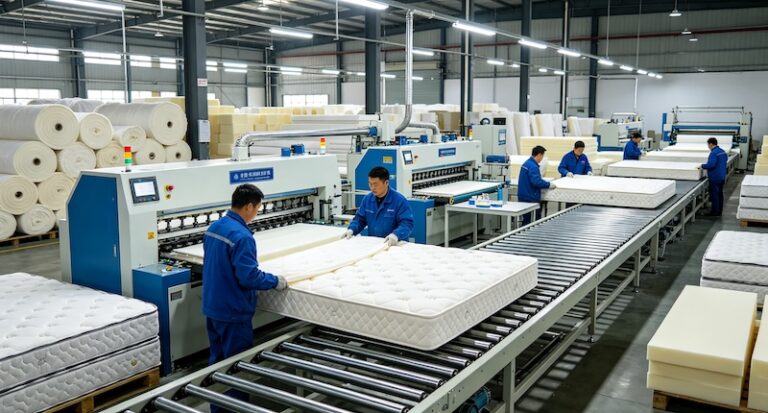
If you are looking to scale your home decor or commercial interior business, deciding to source furniture from China is one of the most strategic moves you can make. China boasts the world’s most extensive furniture manufacturing infrastructure, offering everything from affordable flat-pack items to high-end luxury pieces.
However, navigating the complexities of overseas manufacturing requires a deep understanding of quality control, production timelines, and logistics. This guide will walk you through the essential aspects of sourcing furniture from China successfully.
1. Understanding Chinese Furniture Manufacturing Hubs
China has specific provinces dedicated to different types of furniture manufacturing. Knowing where to look is half the battle:
* Guangdong Province (Foshan, Dongguan): Known as the furniture capital of China, specializing in high-end, luxury, and modern furniture.
* Zhejiang Province (Hangzhou, Ningbo): Ideal for outdoor furniture and office furniture.
* Fujian Province: A major hub for solid wood and bamboo furniture.
* Hebei Province: Best for budget-friendly steel and glass furniture (like dining tables and chairs).
2. Navigating Quality Standards and Compliance
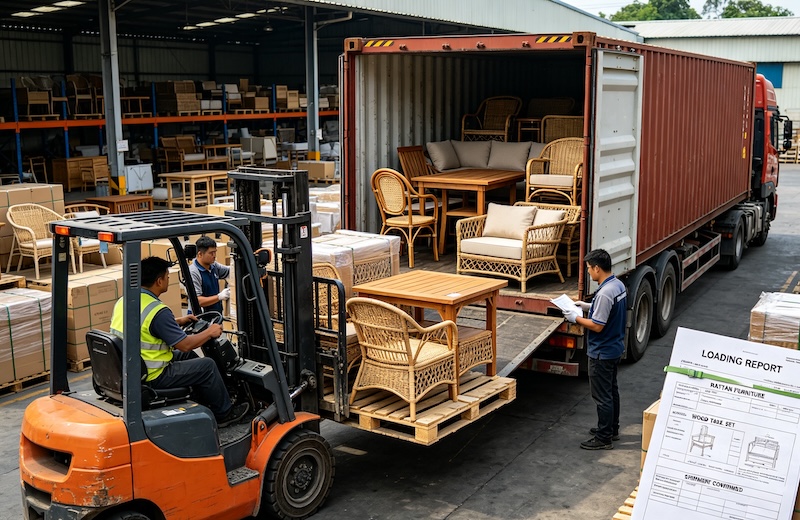
When you source furniture from China, maintaining quality is paramount. Different markets have strict regulatory standards that must be met.
Fire Safety Regulations
If you are importing upholstered furniture to the US or UK, you must comply with strict fire retardancy standards (e.g., California TB 117-2013 for the US, or the UK Fire Safety Regulations 1988). Ensure your supplier uses compliant foam and fabrics.
Formaldehyde Emissions
Wood products, especially MDF and plywood, are heavily regulated for formaldehyde emissions. In the US, products must comply with EPA TSCA Title VI. In Europe, the REACH directive and E1 standards apply.
Implementing Quality Control (QC)
Never assume the factory will manage quality to your standards. Implement a rigorous QC process:
* Pre-Production: Review raw material certifications and prototype samples.
* During Production (DUPRO): Inspect goods when they are 20-30% complete to catch early defects.
* Pre-Shipment Inspection (PSI): A full inspection before loading the container, checking dimensions, finish, packaging, and structural integrity.
3. Managing Lead Times
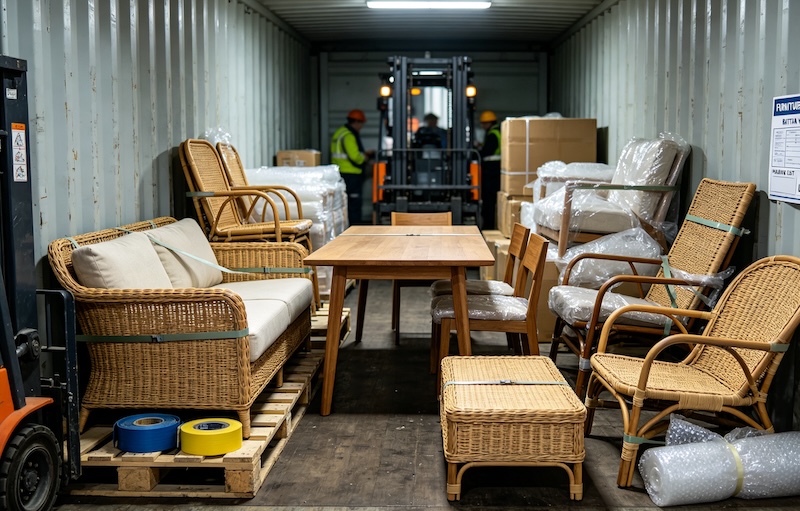
Furniture production is rarely a quick process. Understanding and managing lead times is critical for inventory planning.
- Sample Production: Usually takes 15 to 30 days depending on the complexity of the piece.
- Mass Production: A standard order typically requires 30 to 60 days. This can stretch to 90 days during peak seasons (like the months leading up to Chinese New Year).
- Buffer Time: Always add an extra 2-3 weeks into your schedule for unexpected delays in raw material sourcing or factory scheduling.
4. Container Shipping Tips for Furniture
Furniture is bulky and fragile, making shipping one of the most complex parts of the process.
Choosing the Right Container
- 20ft Container (TEU): Fits about 25-28 CBM (Cubic Meters). Good for small trial orders.
- 40ft High Cube (HQ): Fits about 68 CBM. This is the industry standard for furniture as it offers the best cost-per-cubic-meter ratio for bulky items.
Packaging for Protection
Ensure your supplier uses robust export packaging.
* Use 5-ply corrugated cardboard boxes.
* Utilize edge protectors, styrofoam, and bubble wrap for vulnerable areas.
* For flat-pack furniture, drop-testing the packaging is essential to ensure it survives the journey.
Maximizing Container Space
Work with your supplier on a precise loading plan. Consolidating different items intelligently can maximize space and reduce your per-unit shipping cost. Avoid shipping “air”—if there are gaps, see if smaller items can be fit in.
Conclusion
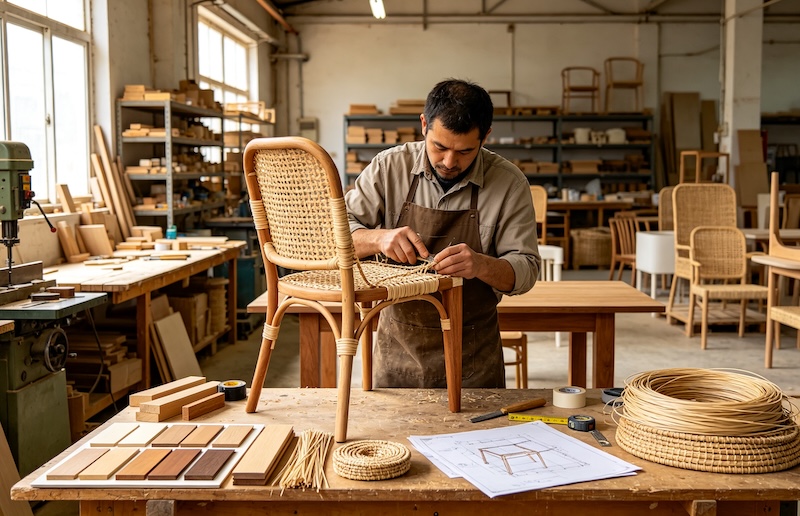
Choosing to source furniture from China can drastically improve your profit margins and product offerings. By targeting the right manufacturing hubs, strictly enforcing quality and safety standards, and optimizing your shipping strategy, you can build a highly successful and resilient furniture import business.
Frequently Asked Questions
Where is the best place to source furniture in China?
Guangdong Province, specifically Foshan and Dongguan, is considered the furniture capital, ideal for high-end and modern furniture. Other regions specialize in outdoor, wood, and metal furniture.
What are the standard lead times for manufacturing furniture in China?
Sample production usually takes 15-30 days, while mass production generally requires 30-60 days, though it can take longer during peak seasons like Chinese New Year.
Which shipping container is best for importing furniture?
A 40ft High Cube (HQ) container is typically best for furniture because it offers the most space (68 CBM), optimizing the shipping cost per unit for bulky items.