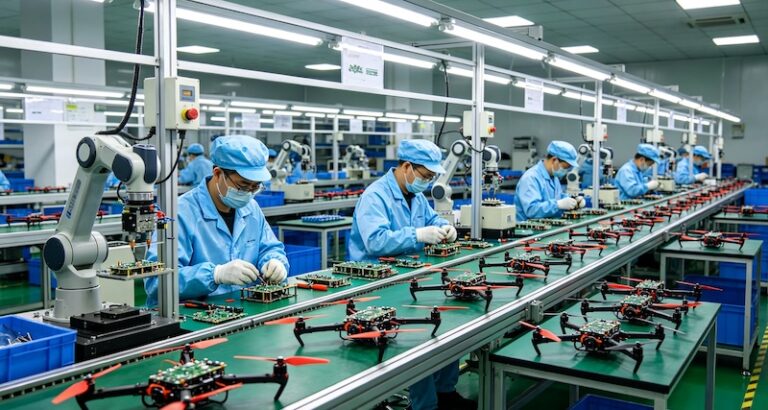
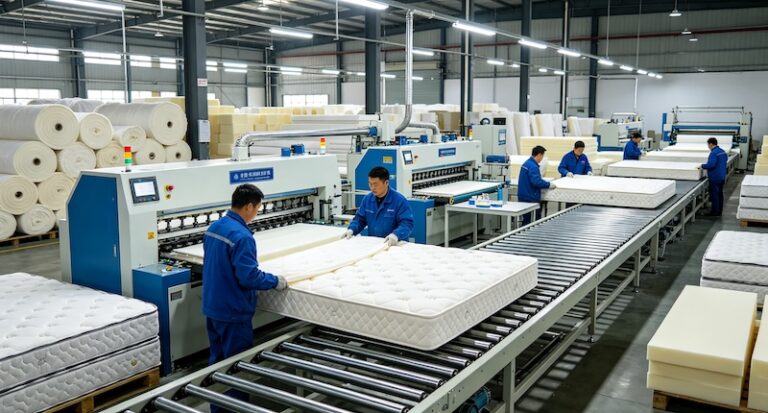
Purchasing heavy machinery and CNC (Computer Numerical Control) equipment from China can yield significant cost savings and provide access to cutting-edge manufacturing technology. However, the stakes are high. A single misstep can result in receiving subpar equipment, facing integration issues, or losing a substantial investment to fraudulent suppliers. At SourcePilot Global, we guide businesses through the complexities of importing high-value machinery, ensuring safety, quality, and operational success.
The Risks of Sourcing Heavy Machinery
Unlike consumer goods, heavy machinery requires a significant capital investment and long-term reliability. The primary risks include:
* Quality Misrepresentation: Receiving machines built with inferior components that fail under stress.
* Lack of After-Sales Support: Struggling to find replacement parts or technical assistance once the machine arrives.
* Compliance and Safety Issues: Importing equipment that does not meet local safety standards (e.g., CE, UL, or OSHA requirements).
* Shipping and Installation Damage: Improper packaging leading to damage during transit.
Strategies for Safe and Successful Sourcing
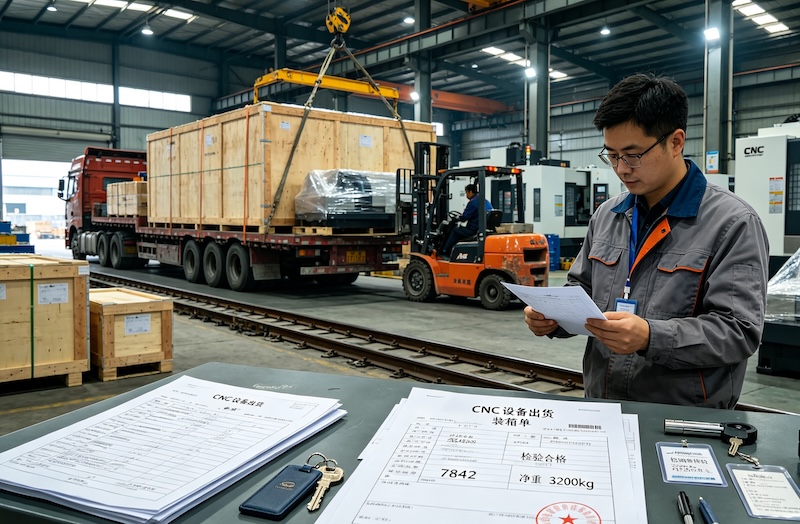
To mitigate these risks and secure reliable machinery, follow these critical steps:
1. Conduct Rigorous Supplier Vetting
Do not rely on polished Alibaba profiles or slick websites. When dealing with heavy machinery, you must verify the supplier’s true capabilities.
* Factory Audits: Hire a third-party inspection agency (or partner with SourcePilot Global) to visit the factory. Verify their production lines, engineering department, and quality control processes.
* Experience and References: Ask for references from buyers in your country. A reputable manufacturer will gladly provide contacts who can vouch for their equipment.
2. Define Precise Technical Specifications
Ambiguity is the enemy of quality. Before requesting quotes, develop a comprehensive specification sheet that details:
* Required tolerances and precision levels
* Specific brands for critical components (e.g., Siemens or Fanuc controllers, Hiwin linear guides)
* Power supply requirements (voltage, phase, frequency)
* Software compatibility and language interfaces (ensure English is fully supported)
3. Establish a Robust Contract
A proforma invoice is not enough for heavy machinery. Draft a legally binding contract (preferably bilingual) that clearly outlines:
* Detailed technical specifications
* Warranty terms and conditions
* Spare parts inclusion (request a kit of common wear parts)
* Payment milestones (never pay 100% upfront; tie final payments to successful inspections)
4. Implement Multi-Stage Quality Inspections
For high-value equipment, a single pre-shipment inspection is insufficient. Consider multi-stage checks:
* In-Process Inspection: Verify the quality of key components before assembly.
* Pre-Shipment Inspection (PSI): Test the machine under load for several hours. Request videos of the machine operating and producing sample parts according to your specifications.
* Packaging Inspection: Ensure the machine is properly greased, vacuum-sealed, and securely strapped in the shipping container to prevent moisture and physical damage.
Managing After-Sales Support and Maintenance
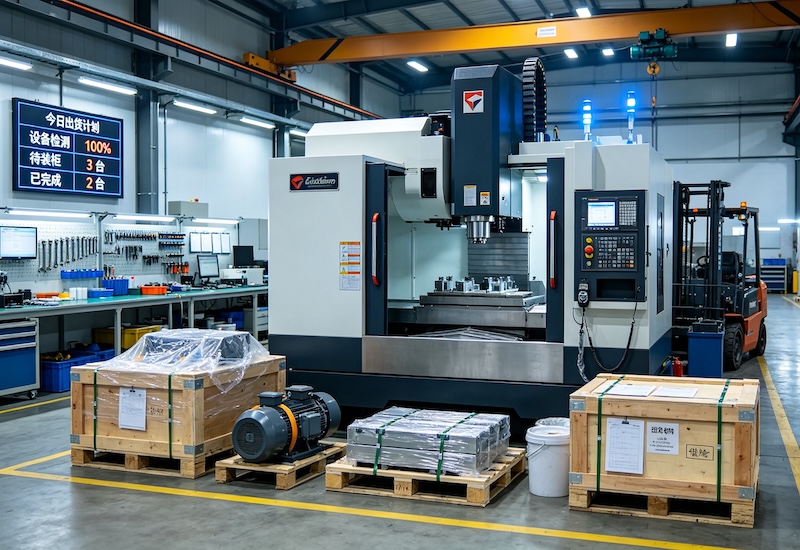
One of the biggest challenges with imported machinery is ongoing maintenance. Before purchasing, confirm how the supplier handles after-sales support.
* Training: Will the supplier send engineers for installation and training, or provide detailed video tutorials?
* Spare Parts Availability: Ensure they use standard, globally available components, or commit to shipping custom parts quickly via air freight.
* Technical Support: Establish the response time for technical queries and the availability of English-speaking engineers.
Partner with SourcePilot Global
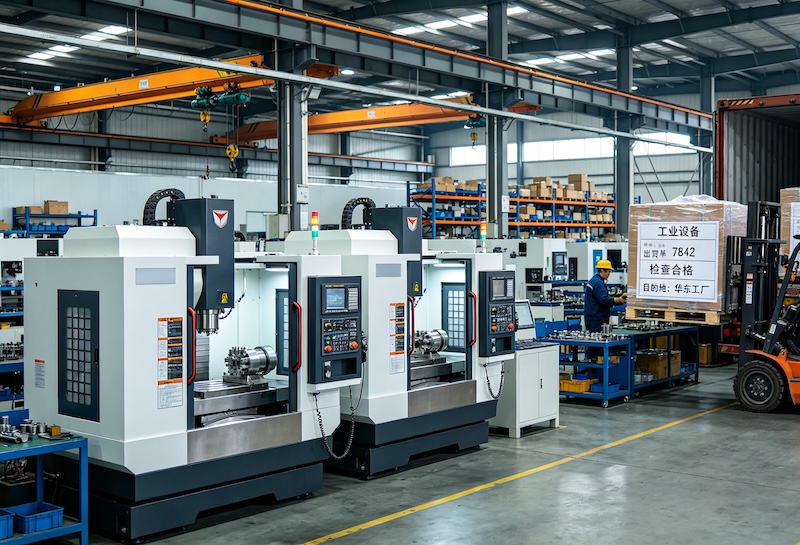
Sourcing heavy machinery is not a DIY project. SourcePilot Global acts as your dedicated on-the-ground team in China. We handle supplier verification, negotiate complex technical contracts, oversee multi-stage inspections, and manage secure logistics, ensuring your new equipment arrives ready to power your business.
Frequently Asked Questions
What certifications should I look for when buying CNC machinery from China?
Depending on your region, you should look for CE certification (for Europe) or UL/CSA compliance (for North America). Ensure the certification covers the entire machine, not just individual electrical components.
Should I buy from a trading company or directly from a factory?
For heavy machinery, it is almost always better to buy directly from the manufacturer. This ensures direct communication regarding technical specifications, better pricing, and reliable after-sales support.
How do I handle the installation of imported heavy machinery?
Many reputable Chinese manufacturers offer installation services for an additional fee, sending engineers to your facility. Alternatively, ensure you have local technicians capable of installing the equipment based on the provided manuals and video support.