When sourcing products overseas, businesses often face an important decision:
Should you choose OEM manufacturing or private label products?
At first glance, the two models can seem very similar.
Both involve working with manufacturers.
Both allow businesses to sell products under their own brand.
But there are important differences.
Choosing the right model can affect:
- Product uniqueness
- Manufacturing cost
- MOQ requirements
- Brand positioning
- Time to market
- Long-term scalability
For startups, ecommerce brands, Amazon sellers, and importers, understanding the difference between OEM vs private label helps reduce sourcing mistakes and improve profitability.
What Is OEM Manufacturing?
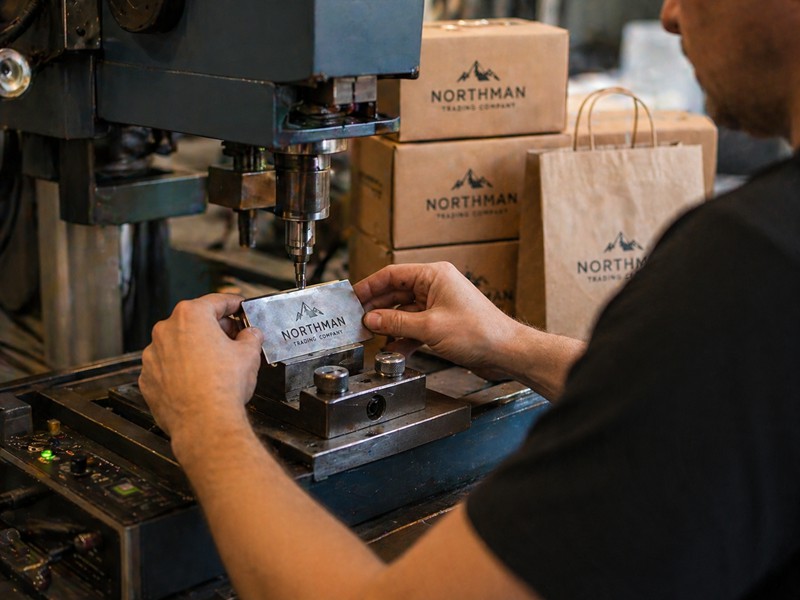
OEM (Original Equipment Manufacturer) manufacturing refers to products manufactured according to a buyer’s custom specifications.
Businesses usually have greater control over:
- Product design
- Materials
- Features
- Technical specifications
OEM products are often more customized.
This makes OEM manufacturing attractive for businesses building differentiated products.
Examples include:
- Electronics accessories
- Consumer products
- Industrial equipment
- Customized hardware
OEM manufacturing usually requires stronger supplier collaboration.
If you want a deeper understanding of manufacturing models, read: OEM vs ODM Manufacturing
What Is Private Label Manufacturing?
Private label manufacturing involves selling products under your own brand using products already developed by manufacturers.
Customization usually focuses on:
- Branding
- Packaging
- Labels
But the core product often remains mostly unchanged.
Private label helps businesses launch products faster.
Especially for:
- Ecommerce brands
- Amazon sellers
- Consumer products
Private label is often simpler than OEM.
OEM vs Private Label: Key Differences
| Feature | OEM | Private Label |
|---|---|---|
| Product Customization | High | Moderate |
| Product Exclusivity | High | Medium |
| Development Complexity | Higher | Lower |
| MOQ | Higher | Lower |
| Time to Market | Slower | Faster |
| Supplier Collaboration | Strong | Moderate |
| Branding Control | High | High |
The biggest difference is customization.
OEM focuses on creating unique products.
Private label focuses on branding existing products.
Advantages of OEM Manufacturing
OEM offers stronger product differentiation.
Greater Product Control
Businesses influence:
- Design
- Materials
- Features
This improves uniqueness.
Better Competitive Advantage
Custom products reduce direct competition.
Especially in crowded categories.
Higher Brand Value Potential
Unique products often support premium positioning.
Stronger Long-Term Differentiation
OEM products are harder to copy.
This supports sustainable growth.
Advantages of Private Label Products
Private label offers simplicity.
Faster Product Launch
Products already exist.
Less development work means faster speed to market.
Lower Complexity
Fewer technical decisions reduce sourcing difficulty.
Lower Upfront Cost
Less customization usually lowers cost.
Easier for Beginners
Private label works well for businesses new to sourcing.
Read: How to Source Products for Amazon FBA
Cost Differences Between OEM and Private Label
Cost often becomes a deciding factor.
OEM Manufacturing Costs
OEM generally requires:
- Product development
- Tooling costs
- Custom materials
MOQ is often higher.
Learn more in: MOQ Explained: What Minimum Order Quantity Means
Private Label Costs
Private label usually reduces:
- Product development cost
- Manufacturing complexity
But less differentiation may create stronger competition.
Which Option Is Better for Your Business?
The answer depends on business goals.
Choose OEM If:
✔ Product differentiation matters
✔ You want stronger customization
✔ Long-term branding matters
✔ You can handle larger MOQ
Best for:
- Established brands
- Growth-stage businesses
- Technical products
Choose Private Label If:
✔ Speed matters
✔ Budget is limited
✔ Simplicity matters
✔ You want lower risk
Best for:
- Startups
- First-time importers
- Ecommerce sellers

Common Mistakes Businesses Make
Avoid these common sourcing problems.
Choosing OEM Too Early
Customization creates cost and complexity.
Sometimes businesses scale better starting simpler.
Ignoring Supplier Capability
Not all suppliers can support OEM manufacturing.
Verification matters.
Read: What Makes a Reliable Supplier? 10 Signs to Look For
Overestimating Product Differentiation
Not every product needs deep customization.
Ignoring Quality Control
OEM products often require stricter quality management.
Read: Quality Inspection in Manufacturing
Final Thoughts
Choosing between OEM vs private label depends on your business priorities.
If uniqueness and product differentiation matter, OEM may be worth the extra complexity.
If speed and simplicity matter more, private label often makes sense.
There is no universal best option.
The smartest sourcing strategy aligns with:
- Business stage
- Budget
- Product complexity
- Long-term growth plans
The goal is not choosing the most advanced model.
The goal is choosing the right one.
Need Help Choosing the Right Manufacturing Model?
At SourcePilot Global, we help businesses:
✓ Evaluate OEM and private label options
✓ Find reliable suppliers
✓ Verify manufacturers before production
✓ Coordinate quality inspections
✓ Reduce sourcing risks
Looking for sourcing support? Contact our team to discuss your project.