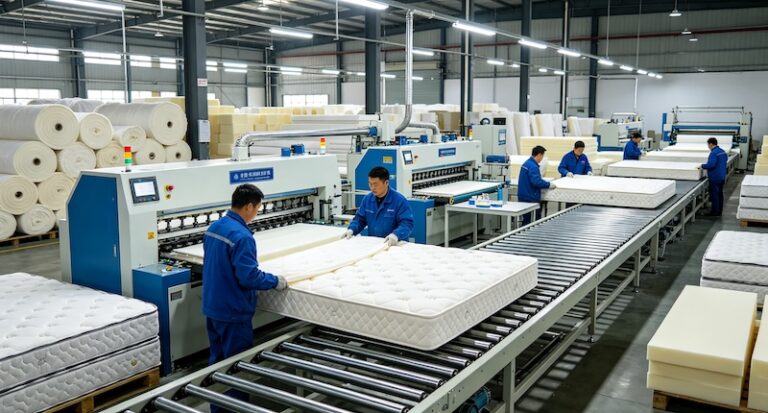
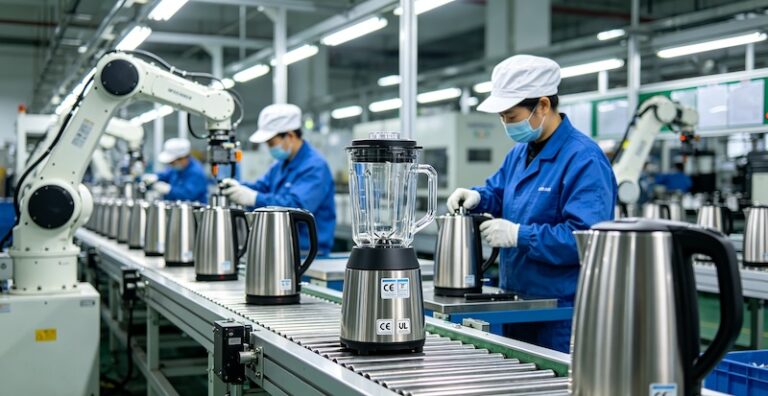
When starting an e-commerce business or expanding your retail operations, sourcing products from China is a proven path to profitability. However, importers immediately face a critical decision regarding their sourcing strategy: should you buy generic items in bulk, or should you create your own branded products?
Understanding the dynamics of the China wholesale private label debate is crucial. Both models have generated millions for entrepreneurs, but they require vastly different approaches, budgets, and risk tolerances. Let’s break down which business model actually makes more money.
The China Wholesale Business Model
Buying wholesale involves purchasing pre-existing, generic, or unbranded products from Chinese manufacturers (often via platforms like Alibaba or 1688) in bulk and reselling them at a markup.
Pros of Wholesale Sourcing
- Low Barrier to Entry: You can start with a smaller budget since you are buying off-the-shelf items with lower Minimum Order Quantities (MOQs).
- Faster Time to Market: Without the need for product development or custom packaging, you can have inventory ready to ship in a matter of days.
- Trend Capitalization: Wholesale allows you to quickly jump on viral product trends before the market becomes saturated.
Cons of Wholesale Sourcing
- Fierce Competition: Because anyone can buy the exact same product, you will likely face intense price wars on platforms like Amazon or eBay.
- Lower Profit Margins: High competition drives retail prices down, leaving you with thinner margins.
- No Brand Loyalty: Customers are buying the product, not the brand. There is zero customer retention.
The China Private Label Business Model
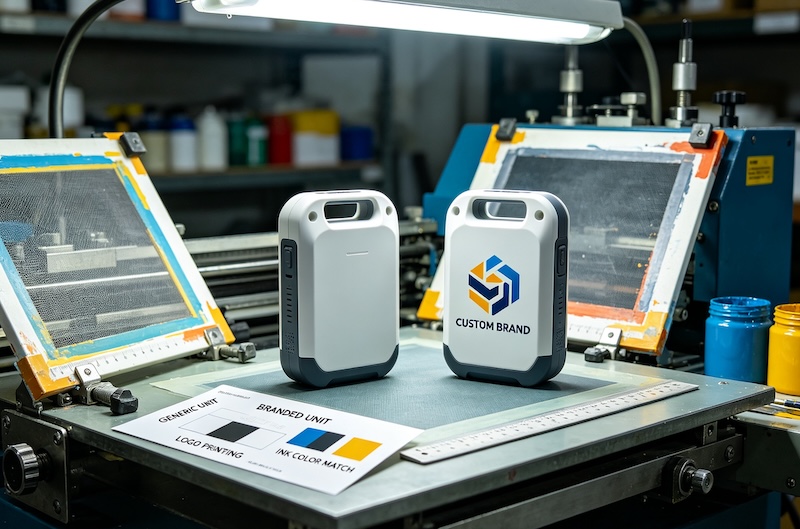
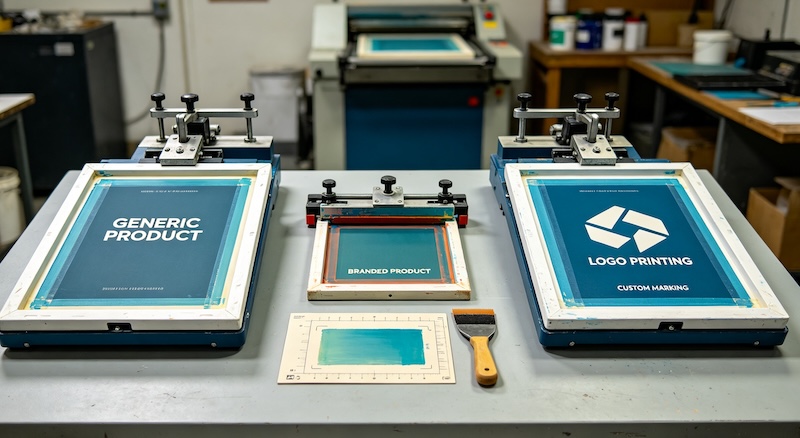
Private labeling involves taking an existing product from a Chinese manufacturer, making slight modifications (like color, material, or bundling), and selling it under your own brand name with custom packaging.
Pros of Private Label Sourcing
- Higher Profit Margins: Because your product is branded and distinct, you can command a premium price. You are not competing solely on price.
- Asset Value: You are building a recognizable brand. A successful private label business can eventually be sold for a high multiple.
- Customer Loyalty: A strong brand aesthetic and quality control build trust, leading to repeat customers.
Cons of Private Label Sourcing
- Higher Upfront Costs: Manufacturers require higher MOQs for custom branding and packaging. You also need a budget for trademarking and graphic design.
- Longer Lead Times: Product customization, sampling, and packaging design can add months to your launch timeline.
- Higher Risk: If a custom-branded product fails to sell, you are left with inventory that is difficult to liquidate.
Which Model Makes More Money?
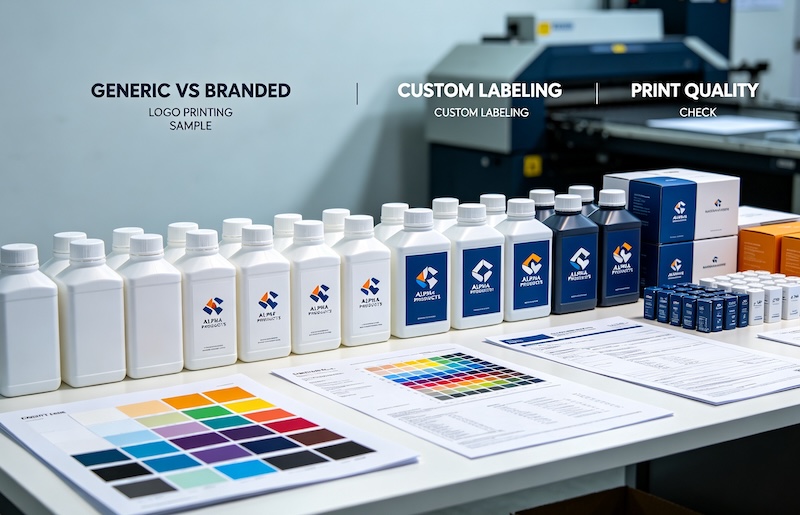
While wholesale can provide quick cash flow and a great learning environment for beginners, private label sourcing ultimately makes more money in the long term.
The core reason is the Buy Box and Brand Equity. In a wholesale model, you are constantly fighting other sellers for the lowest price. In a private label model, you own the brand. Nobody else can legally sell your branded product on Amazon without your permission, giving you total control over pricing and profit margins.
Furthermore, a well-established China wholesale private label business is an asset. E-commerce aggregators and private equity firms actively buy private label brands for millions of dollars—something they rarely do for standard wholesale resellers.
How to Transition from Wholesale to Private Label
If you are currently wholesaling and want to increase your profits, transitioning to private label is a natural progression:
1. Identify Winning Products: Look at your wholesale data. Which products are selling well but have generic, unappealing packaging?
2. Find the Right Supplier: Contact manufacturers in China who offer OEM (Original Equipment Manufacturer) services.
3. Start Small: You don’t need to reinvent the wheel. Start by simply adding your logo and creating premium packaging for an existing high-quality product.
Conclusion
Both models have their place in e-commerce. If you have limited capital and want to learn the ropes of importing, wholesale is a great starting point. However, if your goal is long-term wealth, higher margins, and building a sellable asset, private labeling products from China is unequivocally the superior business model.
Frequently Asked Questions
What is the difference between wholesale and private label sourcing from China?
Wholesale involves buying generic, pre-existing products in bulk to resell, while private labeling involves customizing a product and selling it under your own distinct brand name.
Which business model has higher profit margins?
Private labeling generally has higher profit margins because the branded nature of the product allows you to command a premium price and avoid direct price wars with competitors.
Is private label riskier than wholesale?
Yes, private labeling is riskier upfront due to higher Minimum Order Quantities (MOQs), longer lead times, and the costs associated with branding and custom packaging.